

These photographs were taken during a trip to Ladakh, northern India, from February 23 to March 6, 2025.
Trip
The main objective of this photo trip was to see the elusive and iconic snow leopard, which lives in the remote and cold mountains of Trans Himalaya. It was a childhood dream to see this animal in the wild.
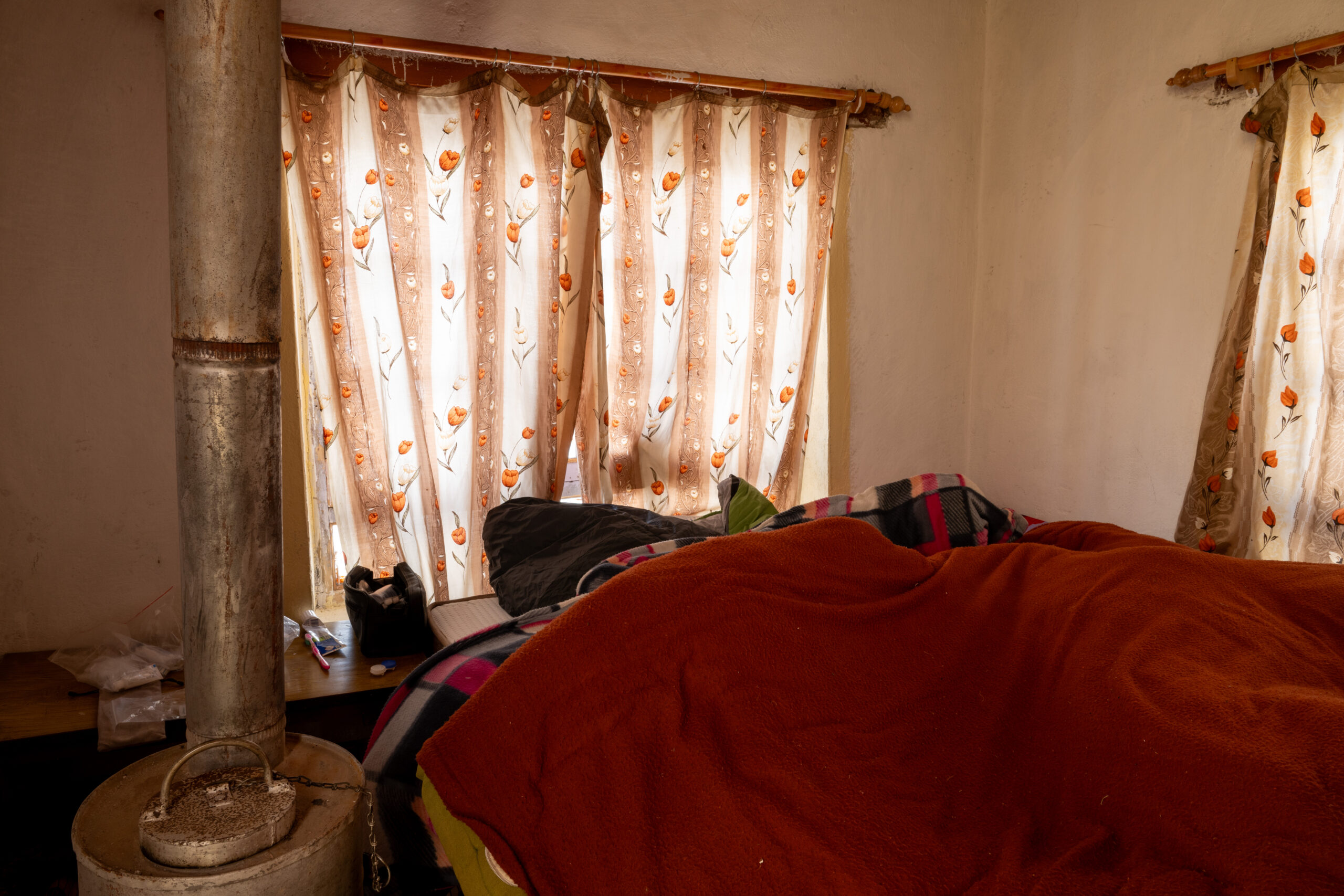
In winter the snow leopards go down from higher ground and can be seen in the frozen valleys of Ladakh, so that’s when I had to try to meet them, in the cold, in high-altitude villages, and that was superb in its own way, as it made me experience the everyday life of the resilient Ladakhi people who live there in close connection with nature. I stayed 9 nights at two villages at 4000 meters above sea level, typically had around -5 to -10 during the days and -20 at nights, in homestays with no central heating or running water. Lots of time was outside in the incredible mountains, some time in the beautiful living rooms to eat and talk, and then trying to sleep in a cold room under a pile of blankets with a slight headache and pounding heart due to the high altitude. Sometimes there was very unfavorable weather like a snowstorm or fog, giving more time to rest in the living room, waiting for more luck. Other days it was all calm and bright. Every day was an incredible experience.
Ladakh
Ladakh means ”land of many passes”. It is a remote, cold, and dry land of arid mountains in the Trans-Himalaya of northwestern India, between Pakistan and China, a sparsely populated area. An incredibly wild, dramatic, and scenic part of the world where spectacular species like snow leopards, wolves, and lynx thrive. The area is around 60,000 square kilometers, so around 1/8 of Sweden, with a population of around 280,000, of which around 30,000 live in the largest town, Leh. The Ladakhi people are nearly related to the Tibetans, having similar Buddhist religion, language, architecture, food, and customs. Roads are ok, but travelling time is still long to many places, following meandering gravel roads along steep cliff faces and gorges.
Arrangement
To see a snow leopard, I needed a spotter and guide who knew the areas and could find them, because they are extremely difficult to see at the enormous mountain walls. Therefore, I had contacted a travel agent who set me up with an excellent guide and booked a hotel in Leh and the homestays in Rumbak and Shang.
I went in February 2025, and getting there was straightforward. First I took a flight from Stockholm to Delhi, arrived early in the morning, and continued for another two hours to Leh, the provincial capital of Ladakh. It is basically a small town at 3500 meters altitude, and a really nice spot to do proper acclimatization at before going further up to get new headache.
After three days in Leh I met my guide, Konchok, and we drove to Rumbak, at approximately 4000 meters altitude. It actually doesn’t take more than a couple of hours to get there, but it feels so remote, surrounded by mountains and cliffs. We spent seven nights in a splendid traditional Ladakhi house there, and an additional two nights in an equally off the main road village called Shang.


Then I returned to Leh and flew to the next stage of the trip, spending a week looking for the red panda in Singalila National Park just east of Nepal before returning home. See: Red Panda – 2025.
Rumbak and Shang
After my resting days in Leh, I went to Rumbak, and it was everything I hoped for. It is a village in the enormous Hemis National Park, where nature is wild and the snow leopards and other animals can be found. It is at 4000 meters altitude, so winters are very cold. Recently the road reached all the way to it, and there is electricity, but not much more of modern life. It is the most popular base for looking for snow leopards together with the villages of Uley and Shang, so I stayed a week in Rumbak and two nights in Shang.

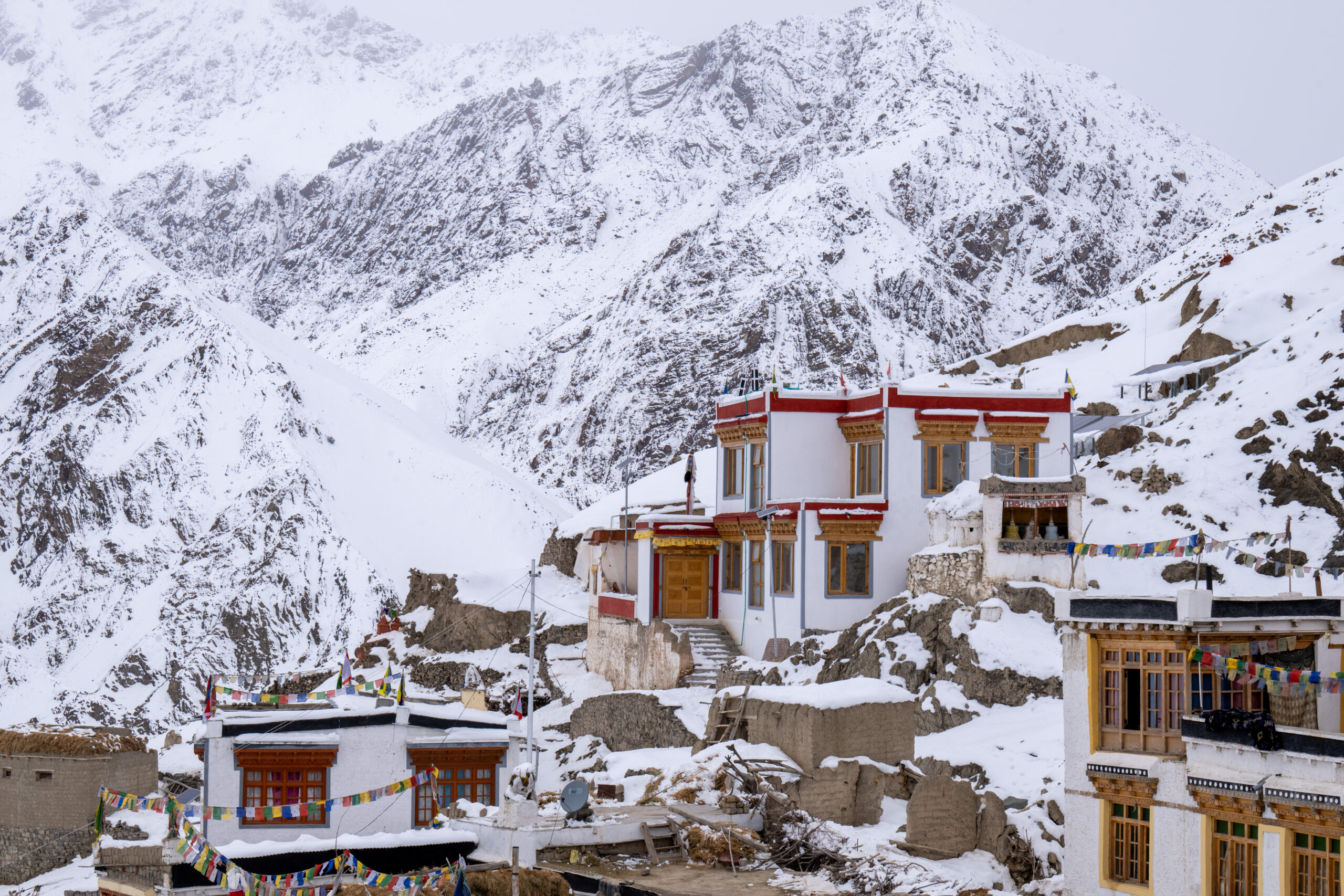


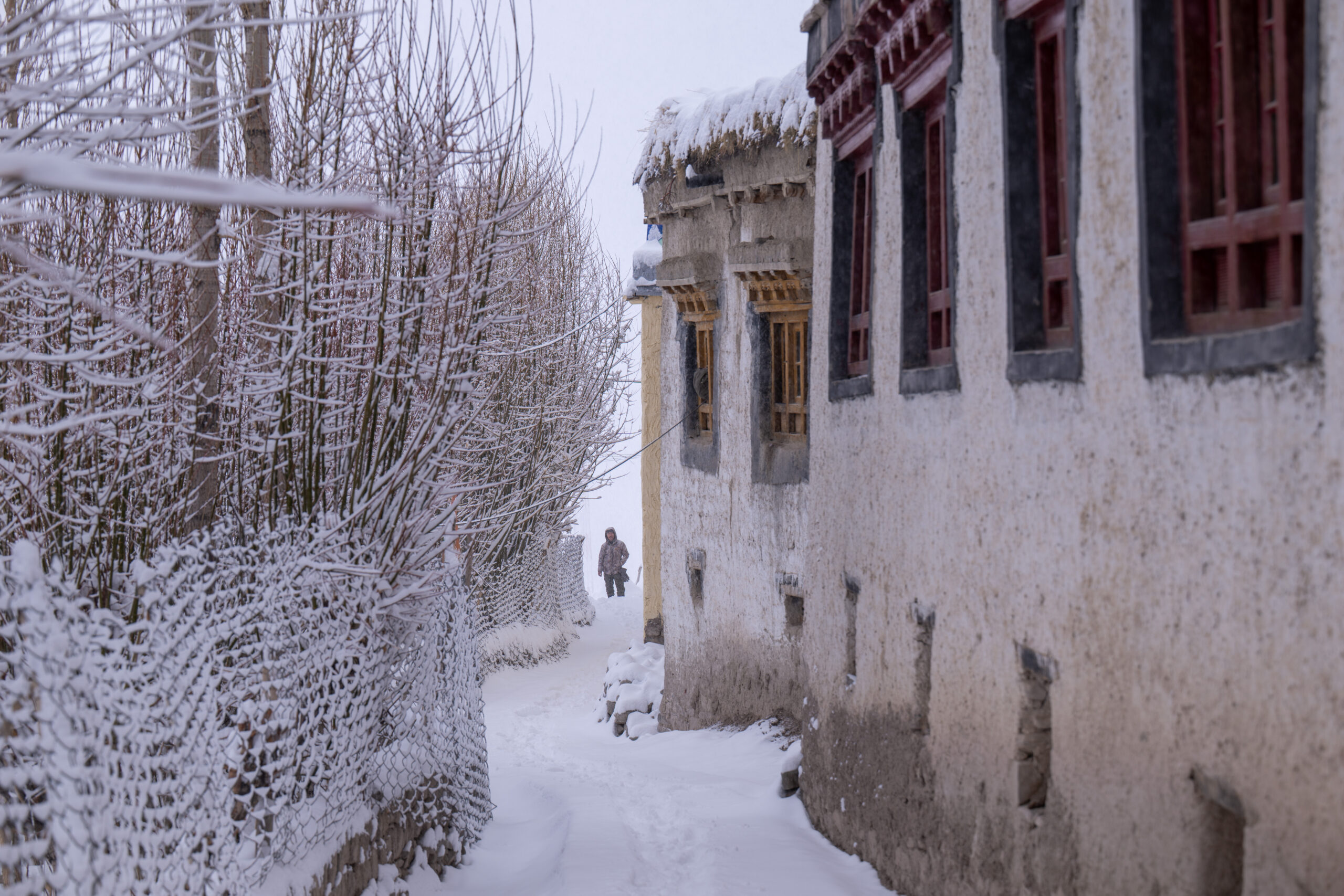
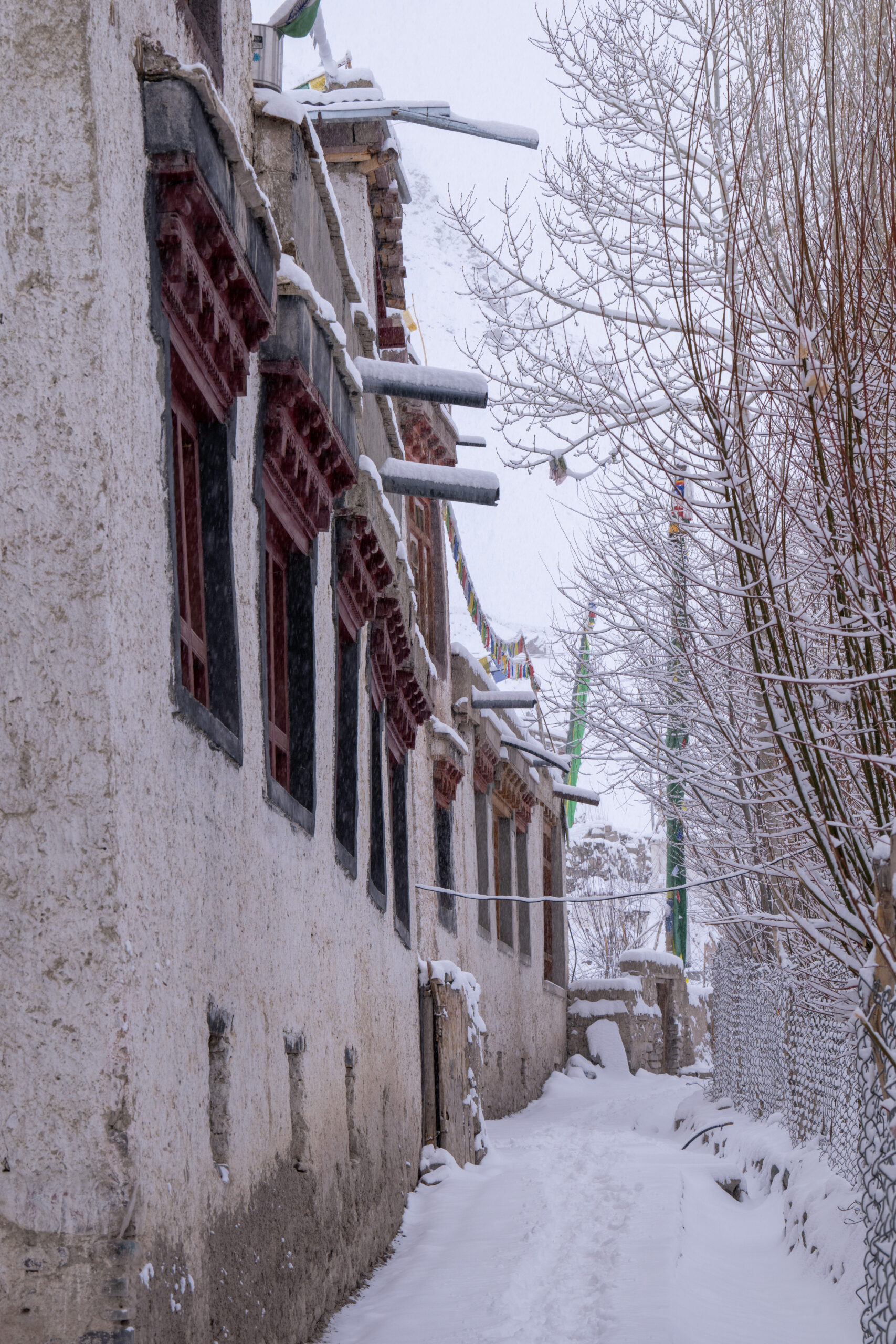
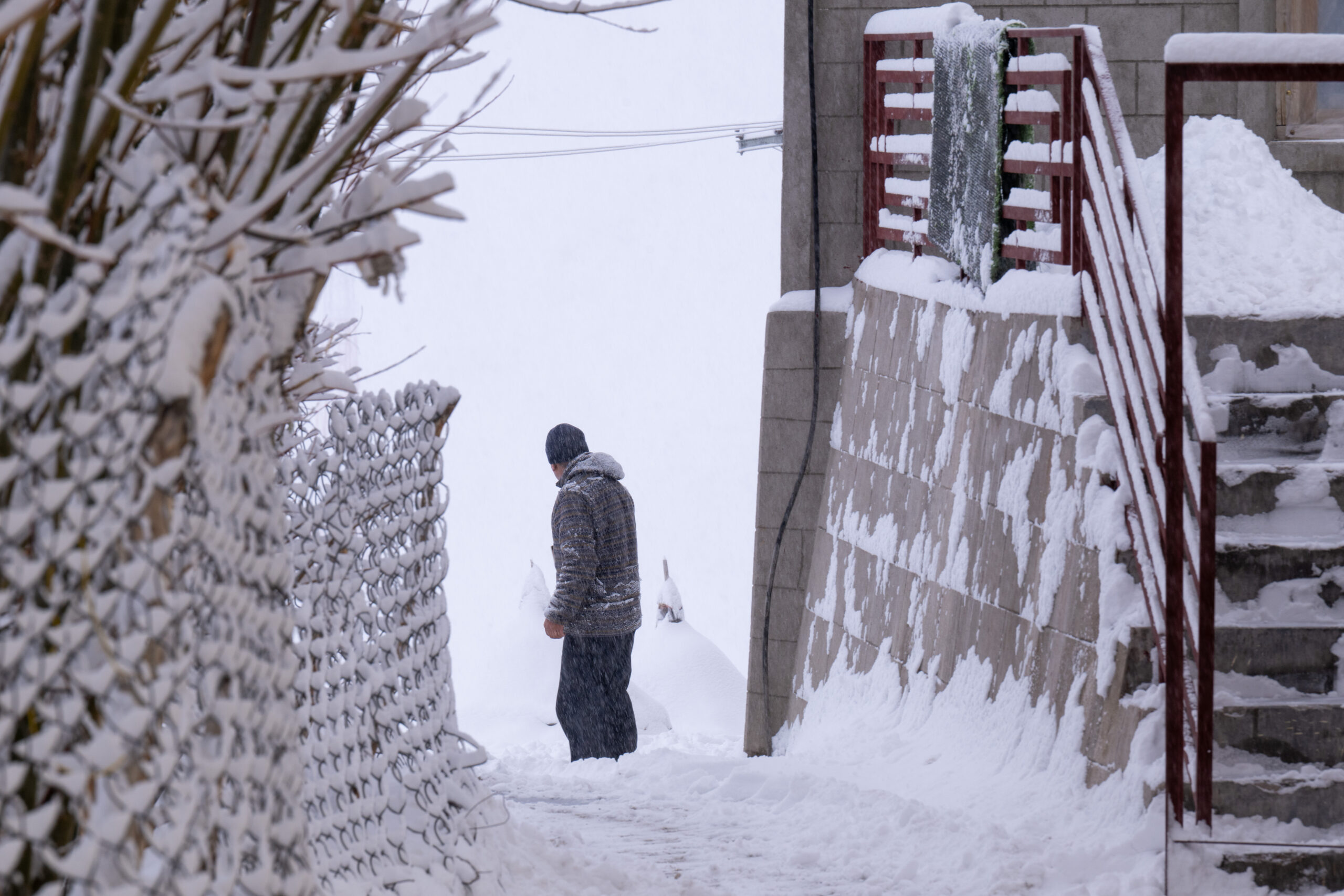


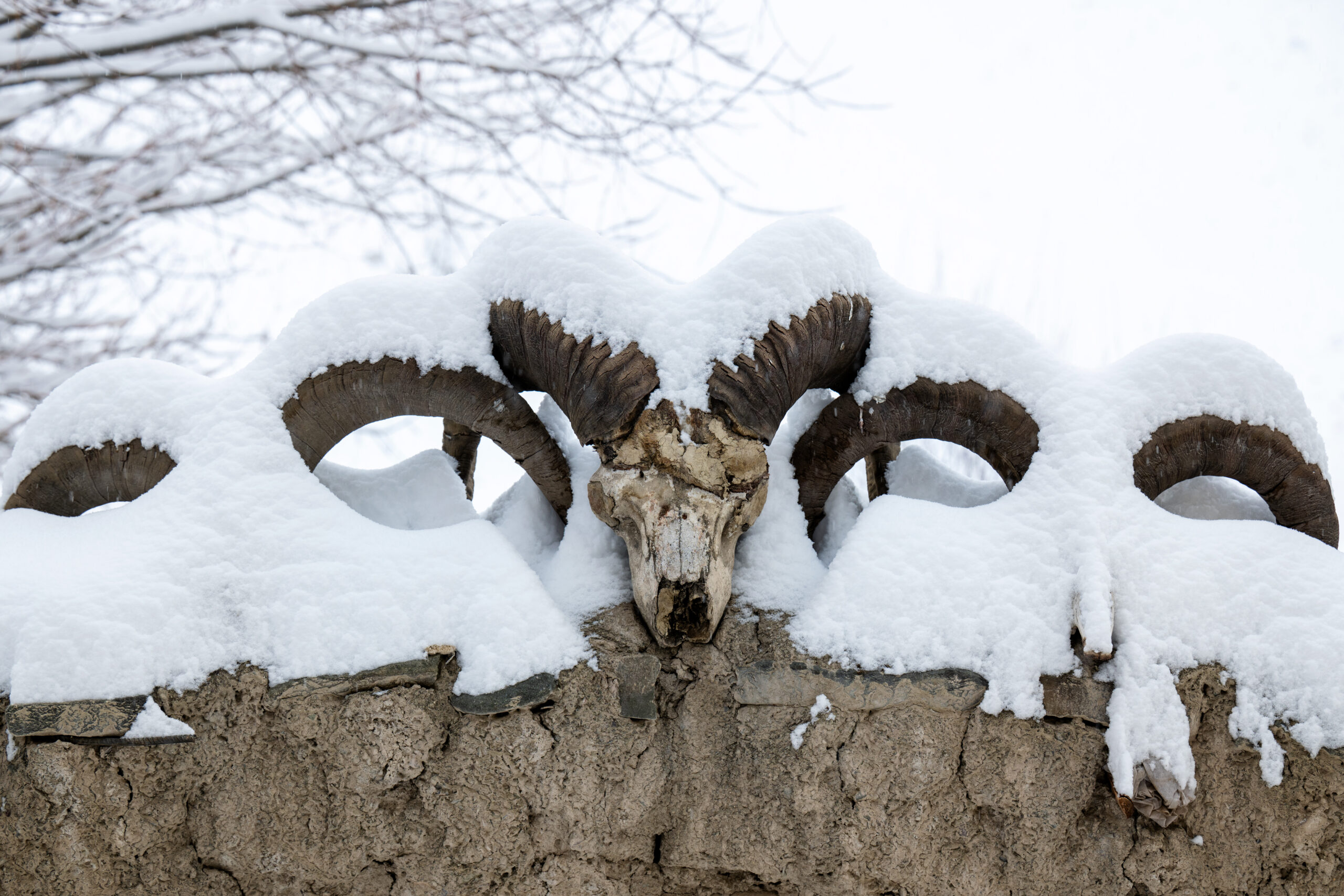
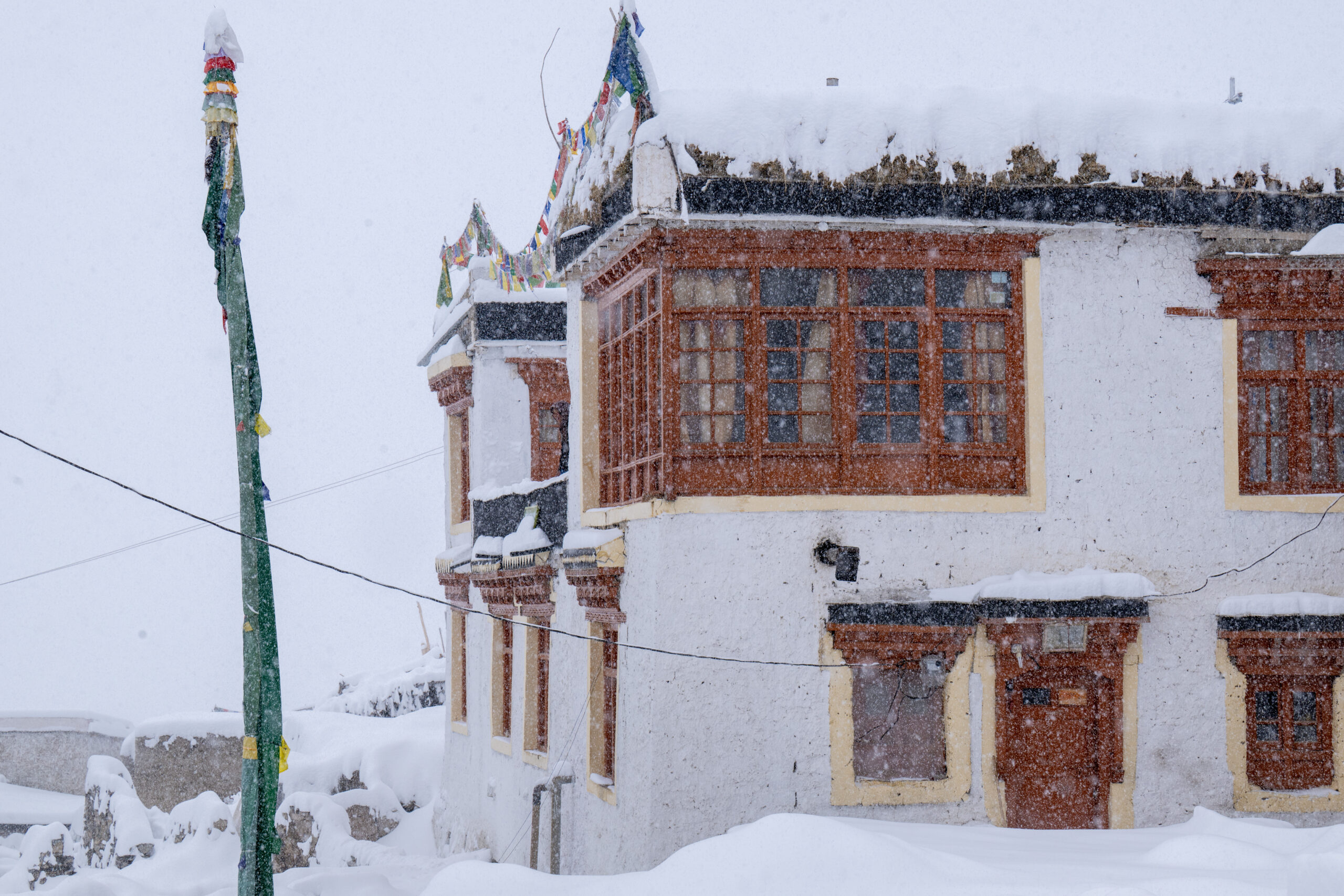
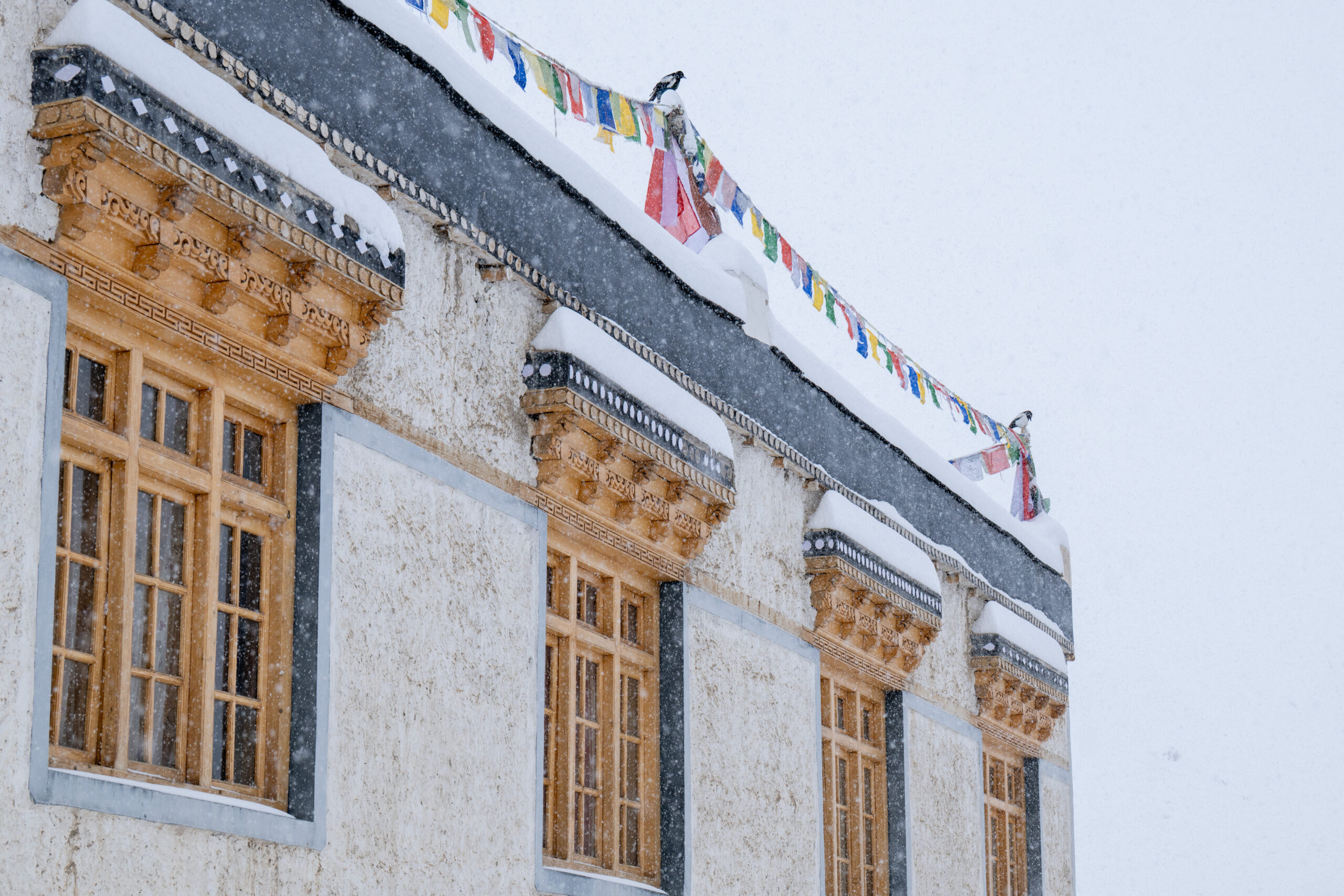
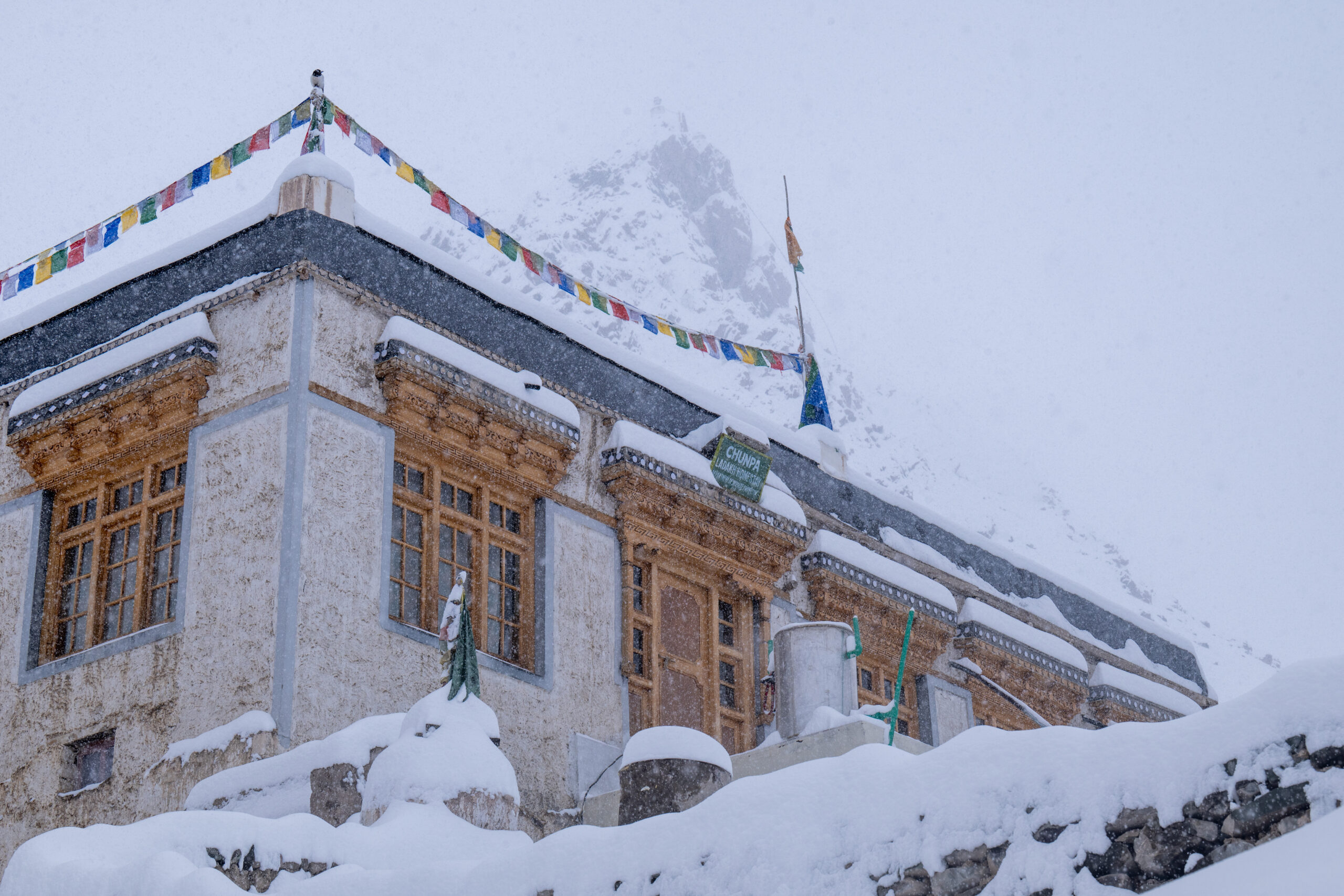


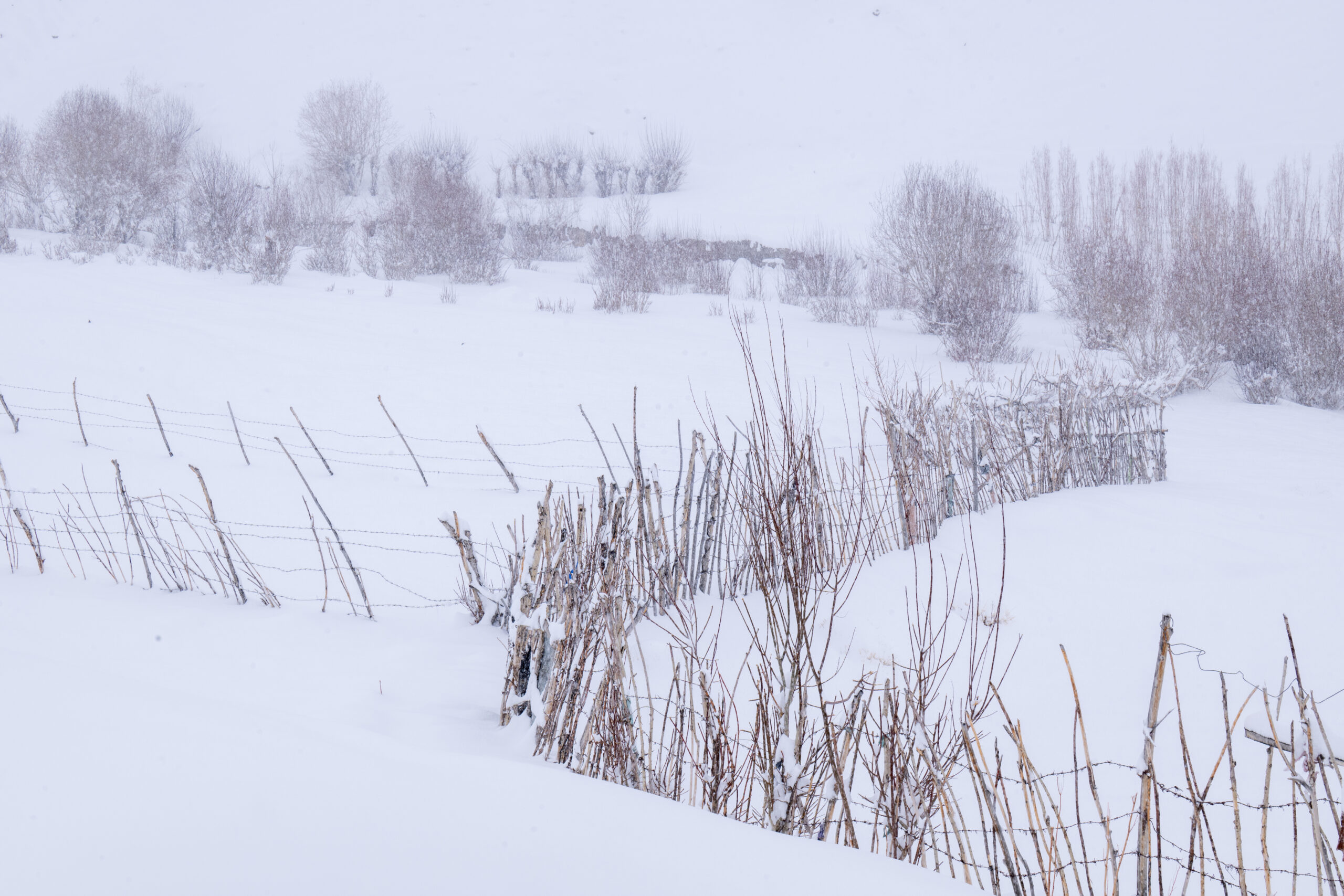
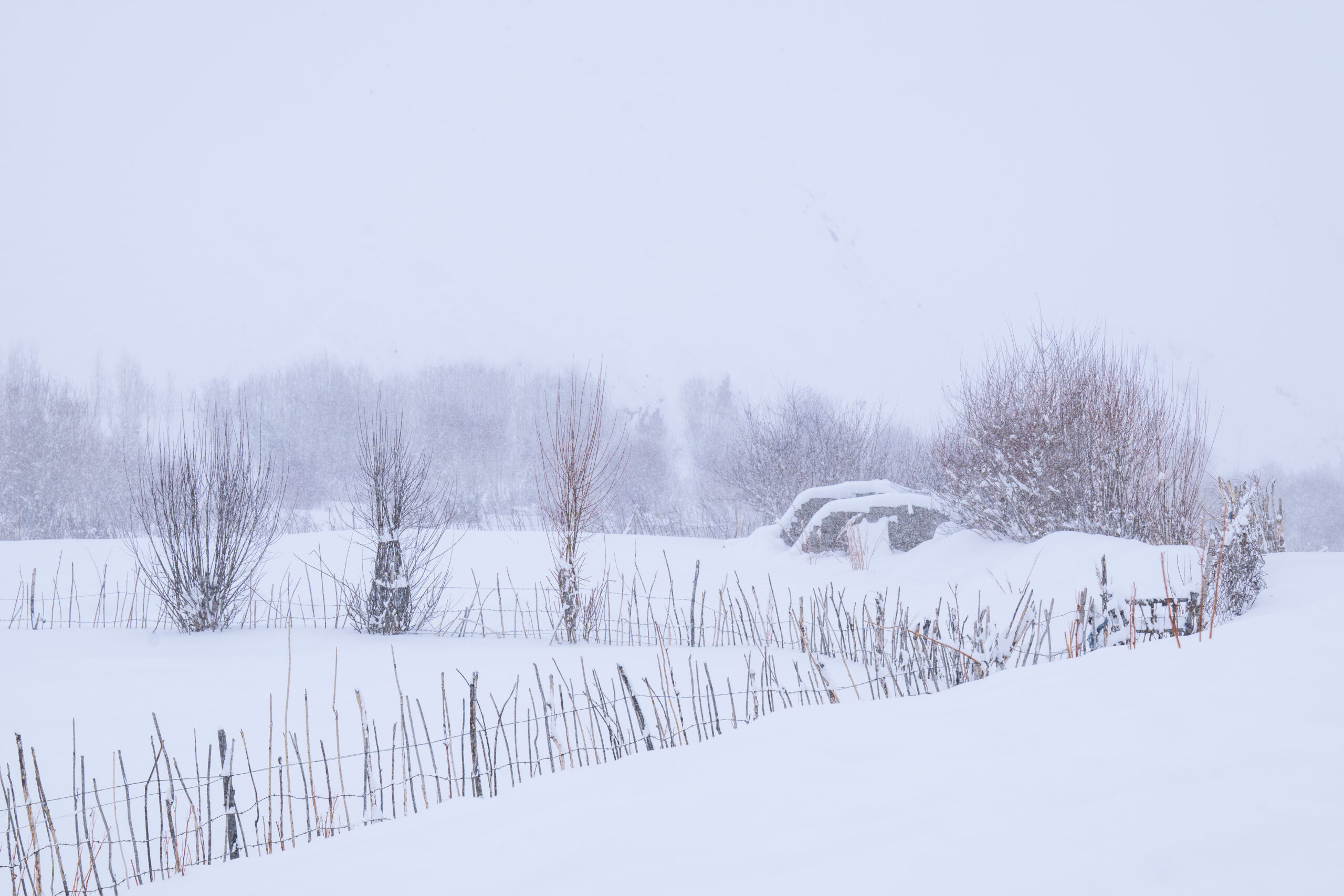
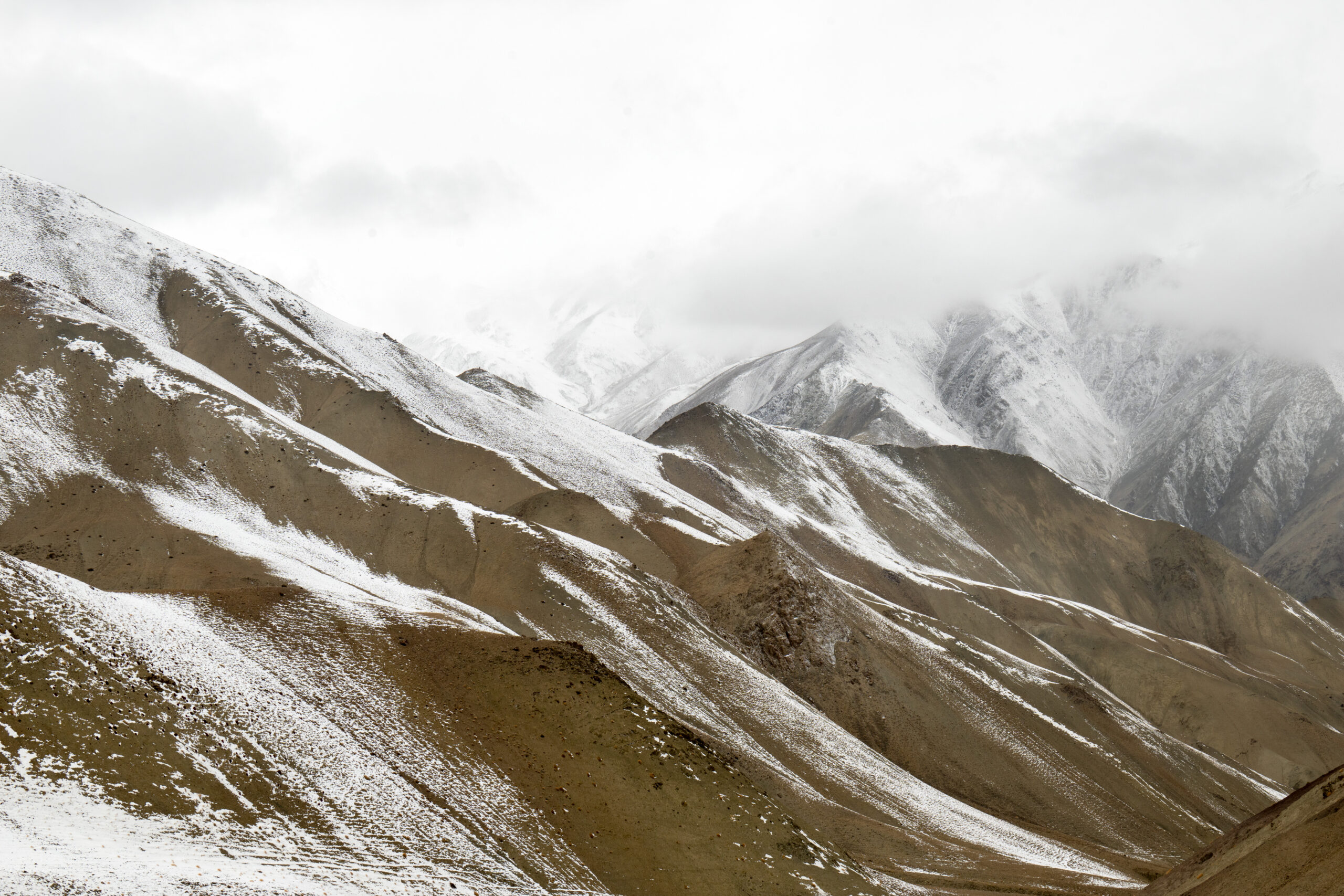
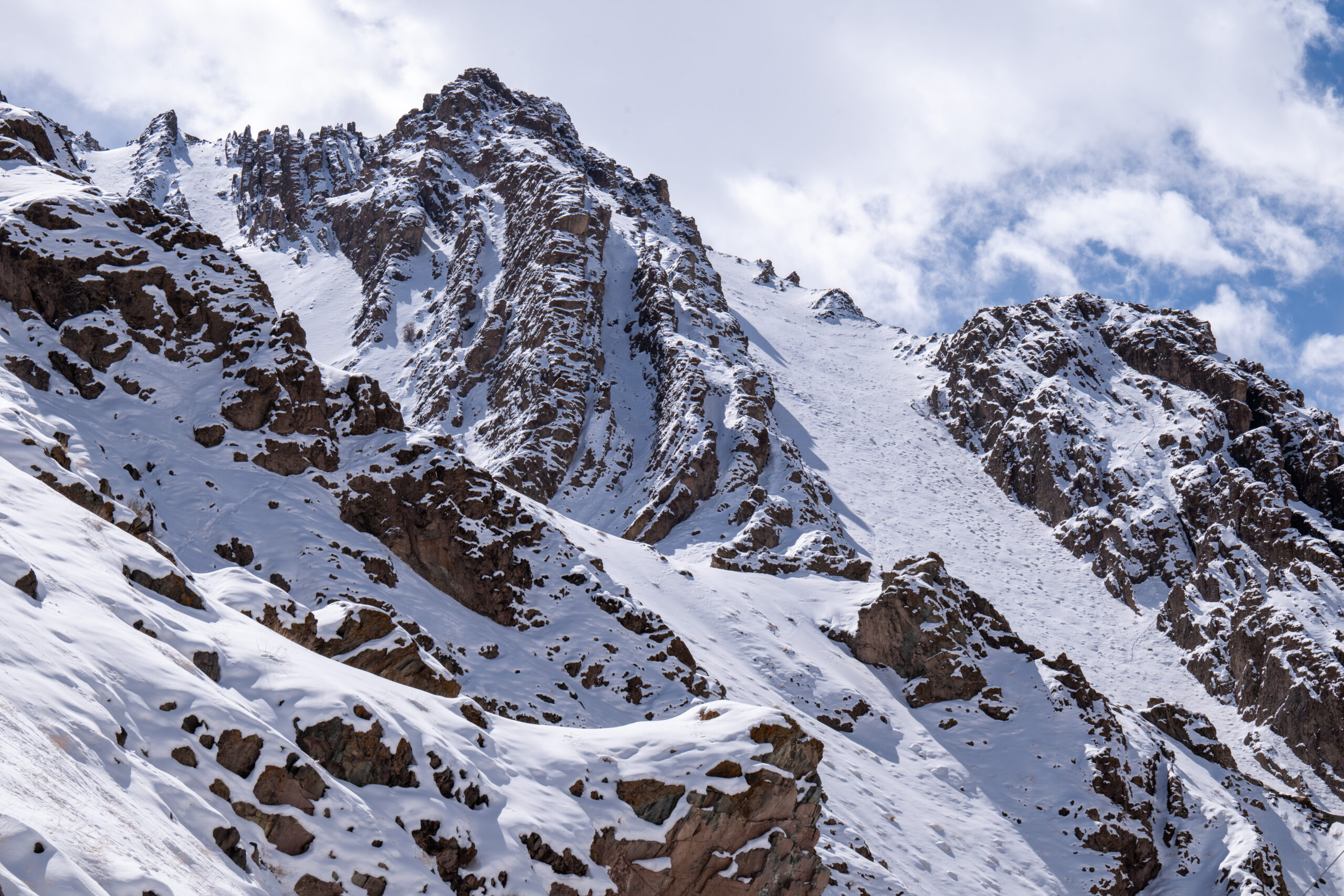
The scenery in Ladakh is often spectacular, and in the Rumbak valley it is extreme. After a few days, heavy snow fell down, covering the enormous mountains in deep snow, which made it difficult to walk, especially with light mountain sickness, but also easier to see wildlife, and it gave the landscape even more beauty.
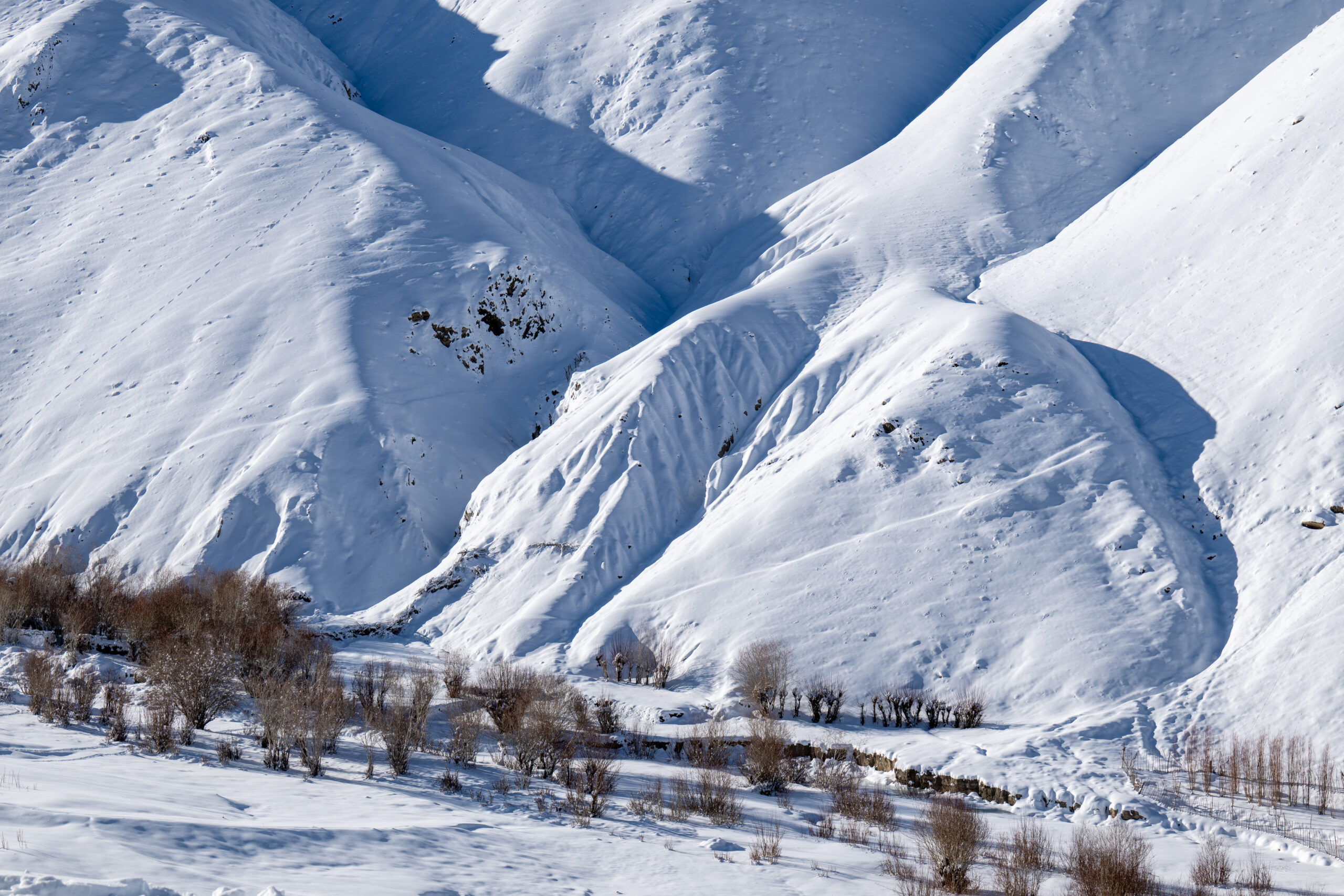
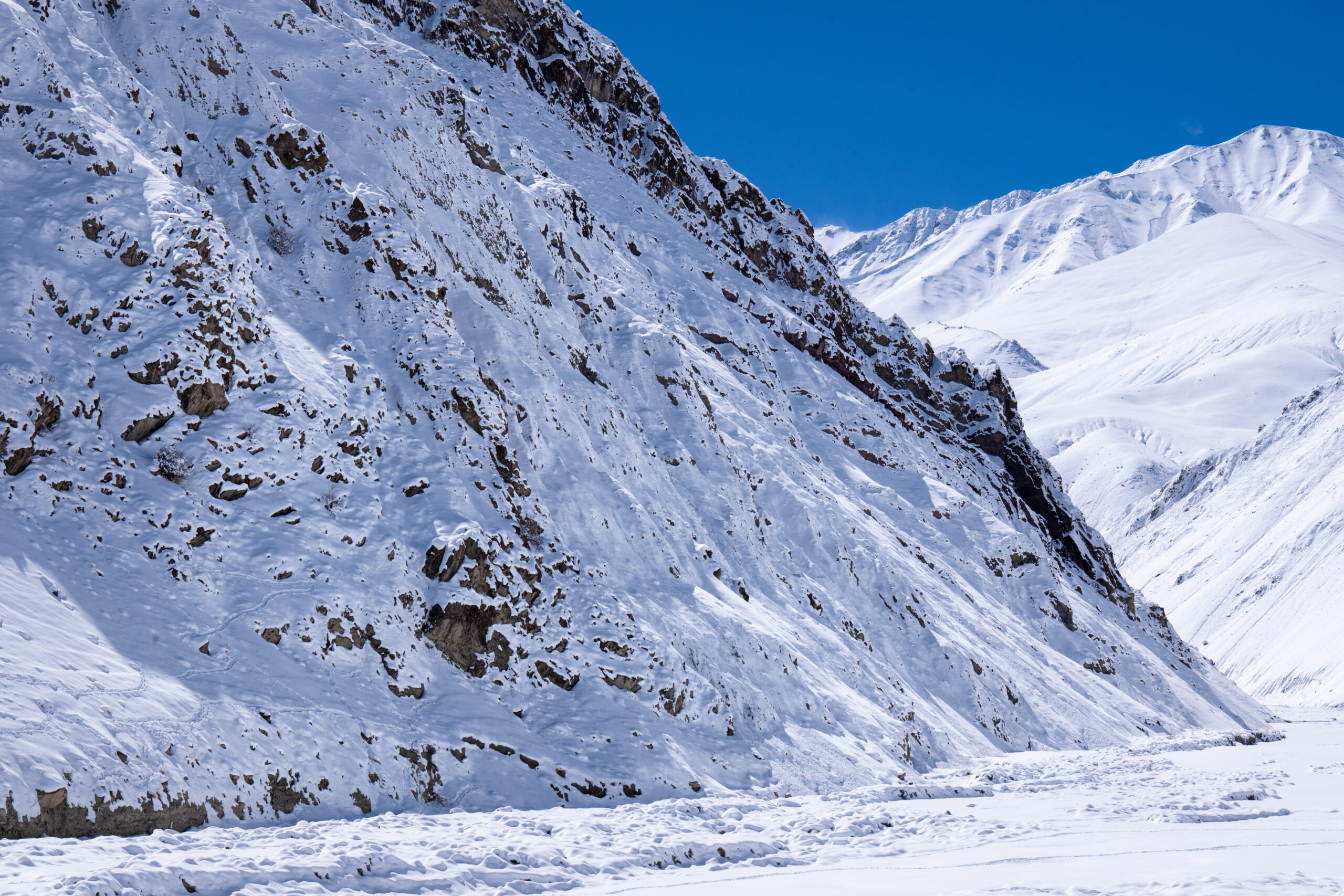
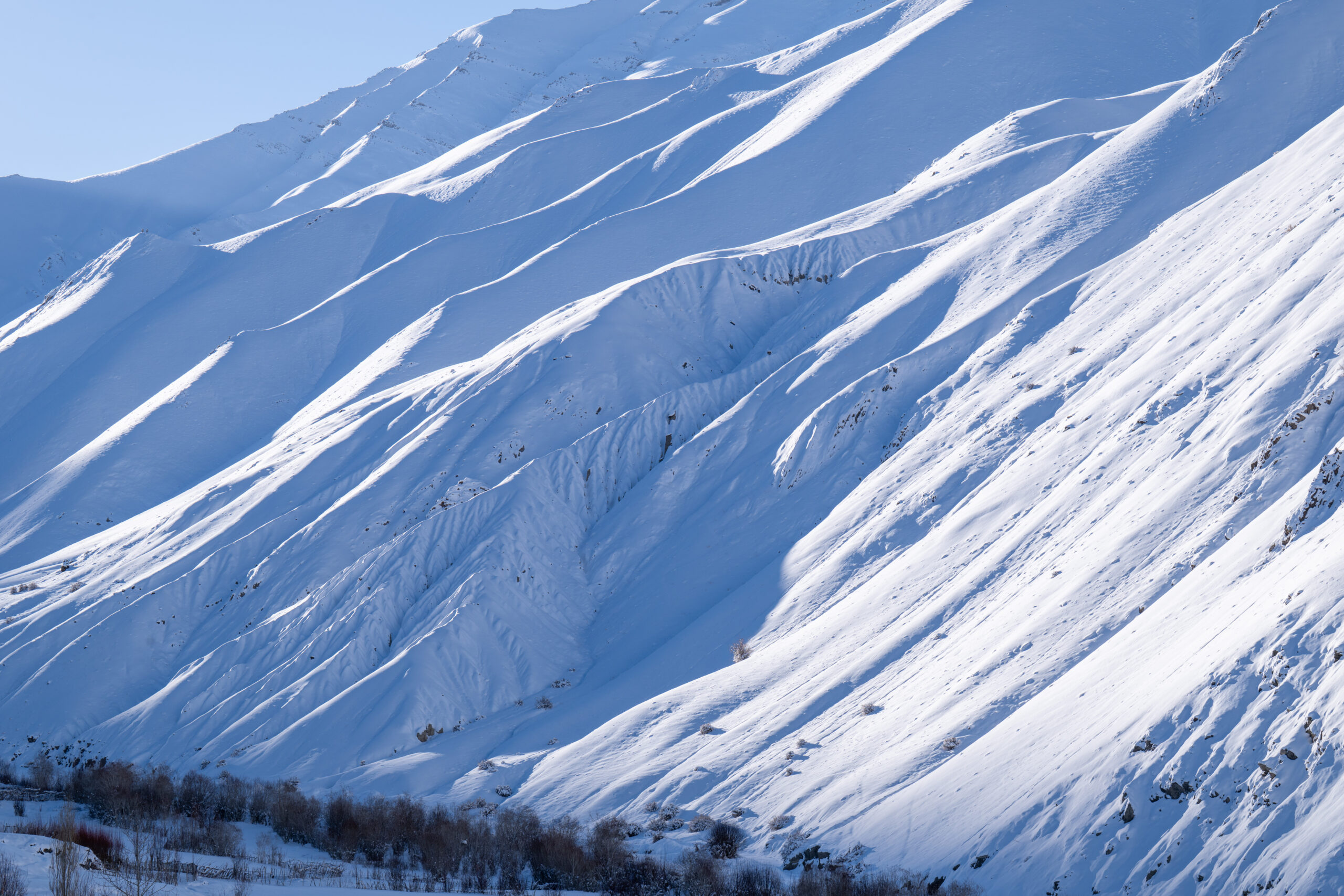
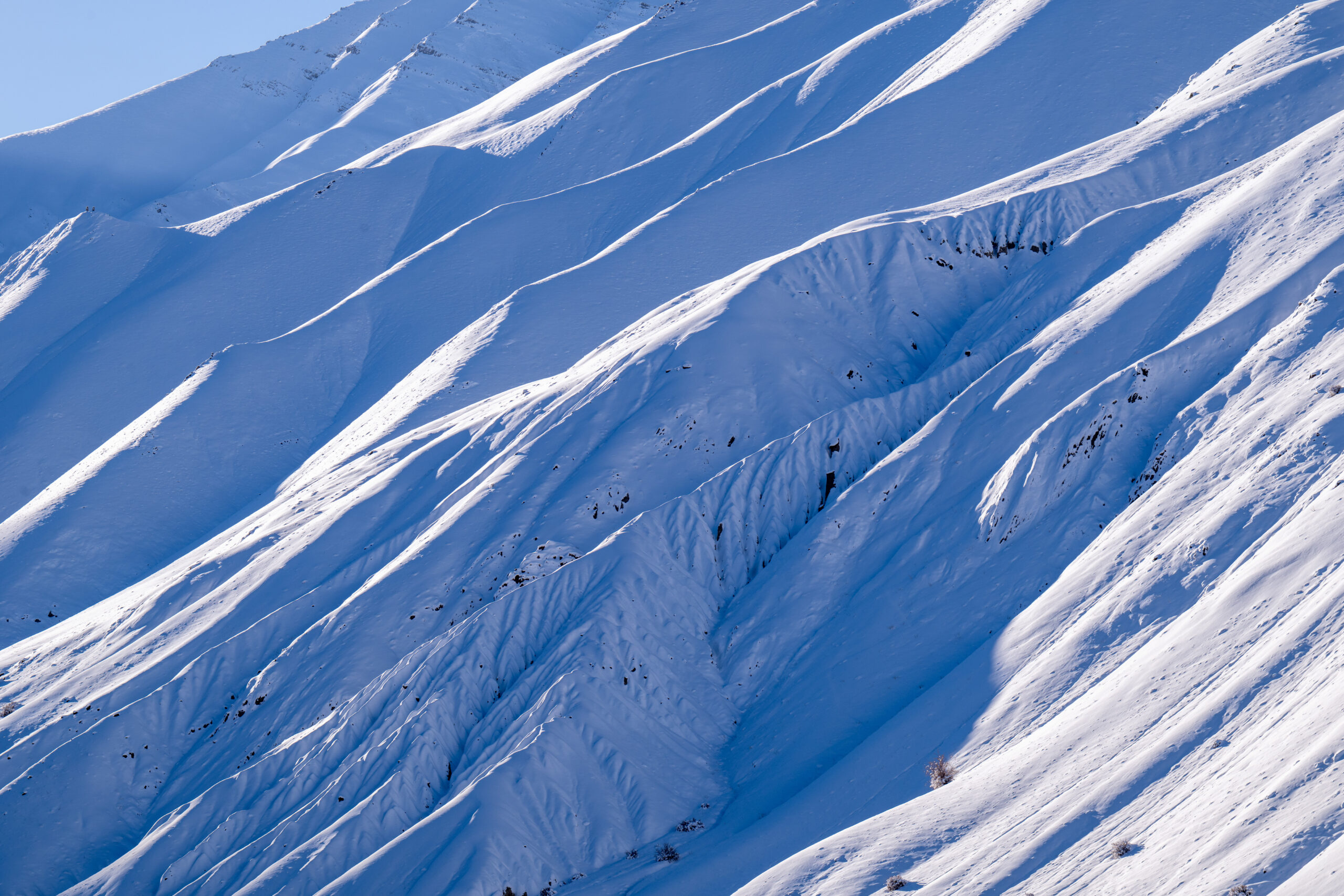
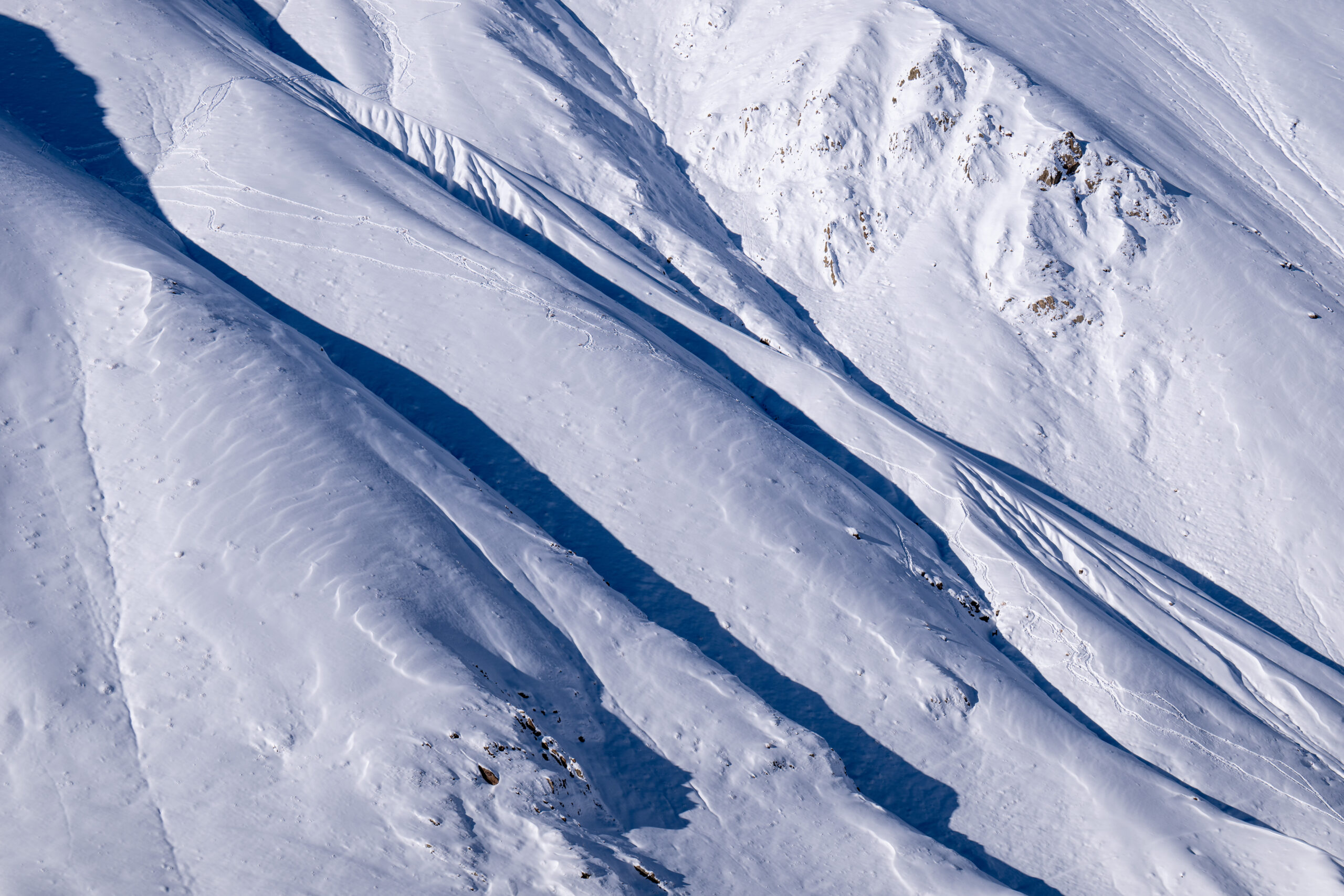
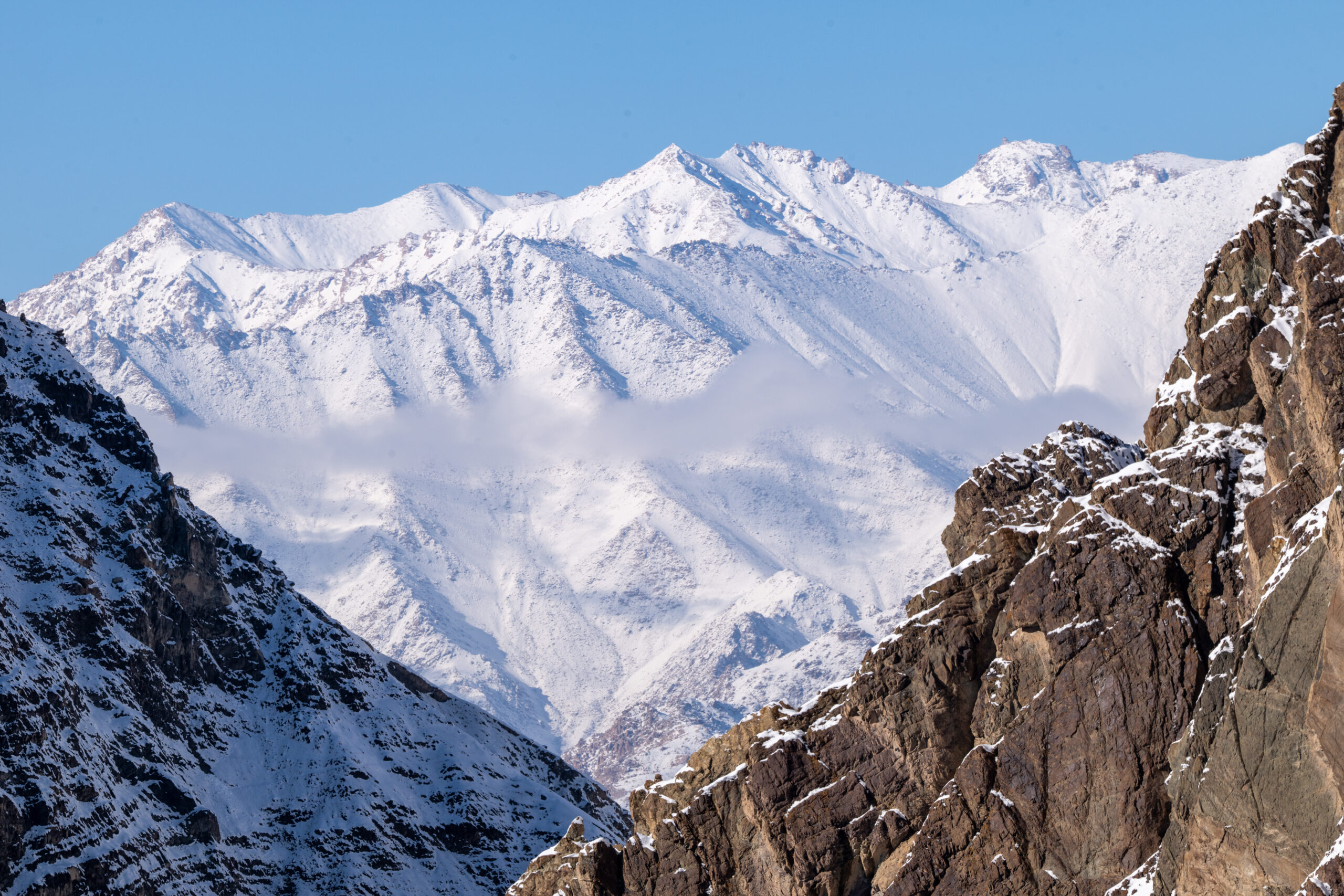
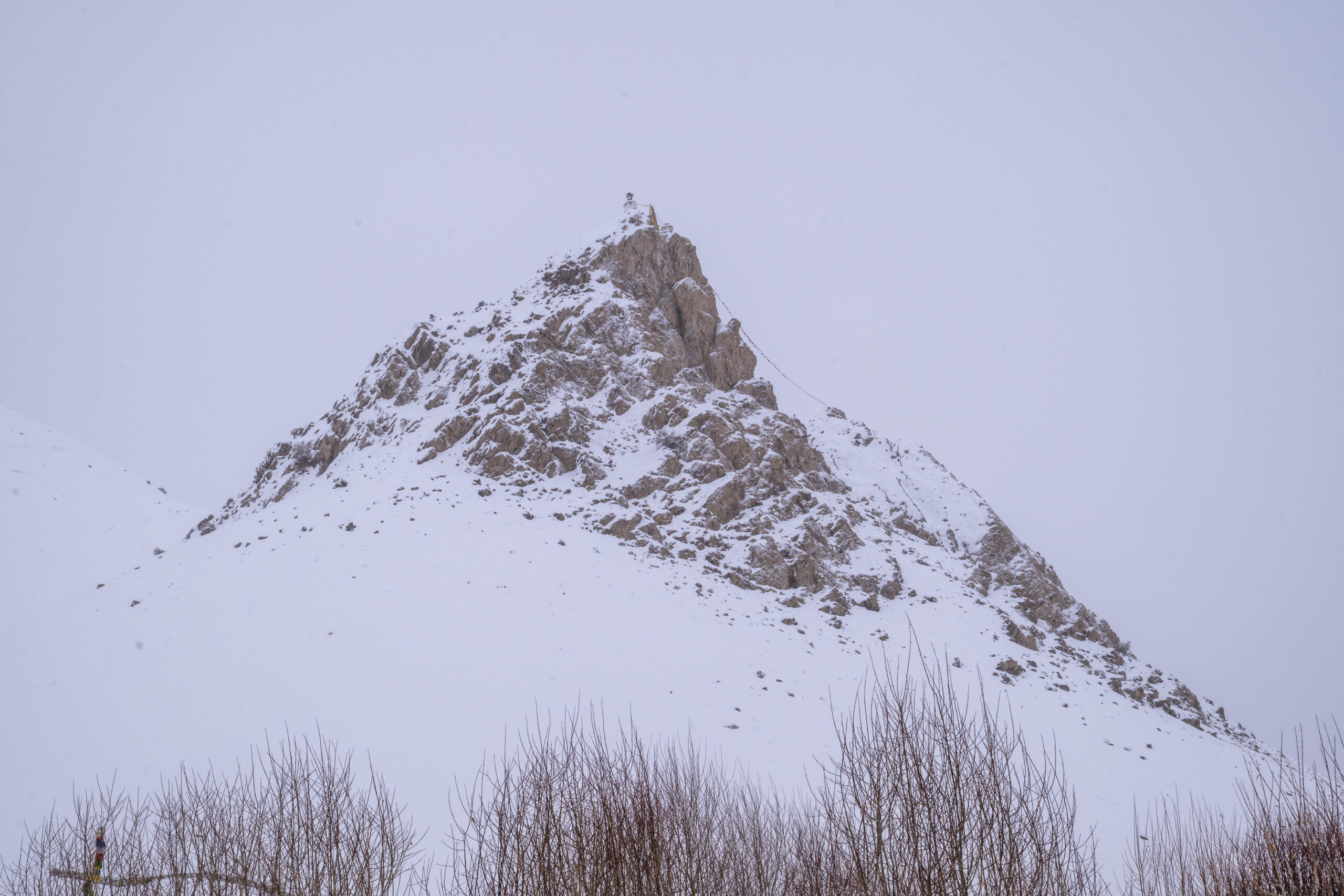
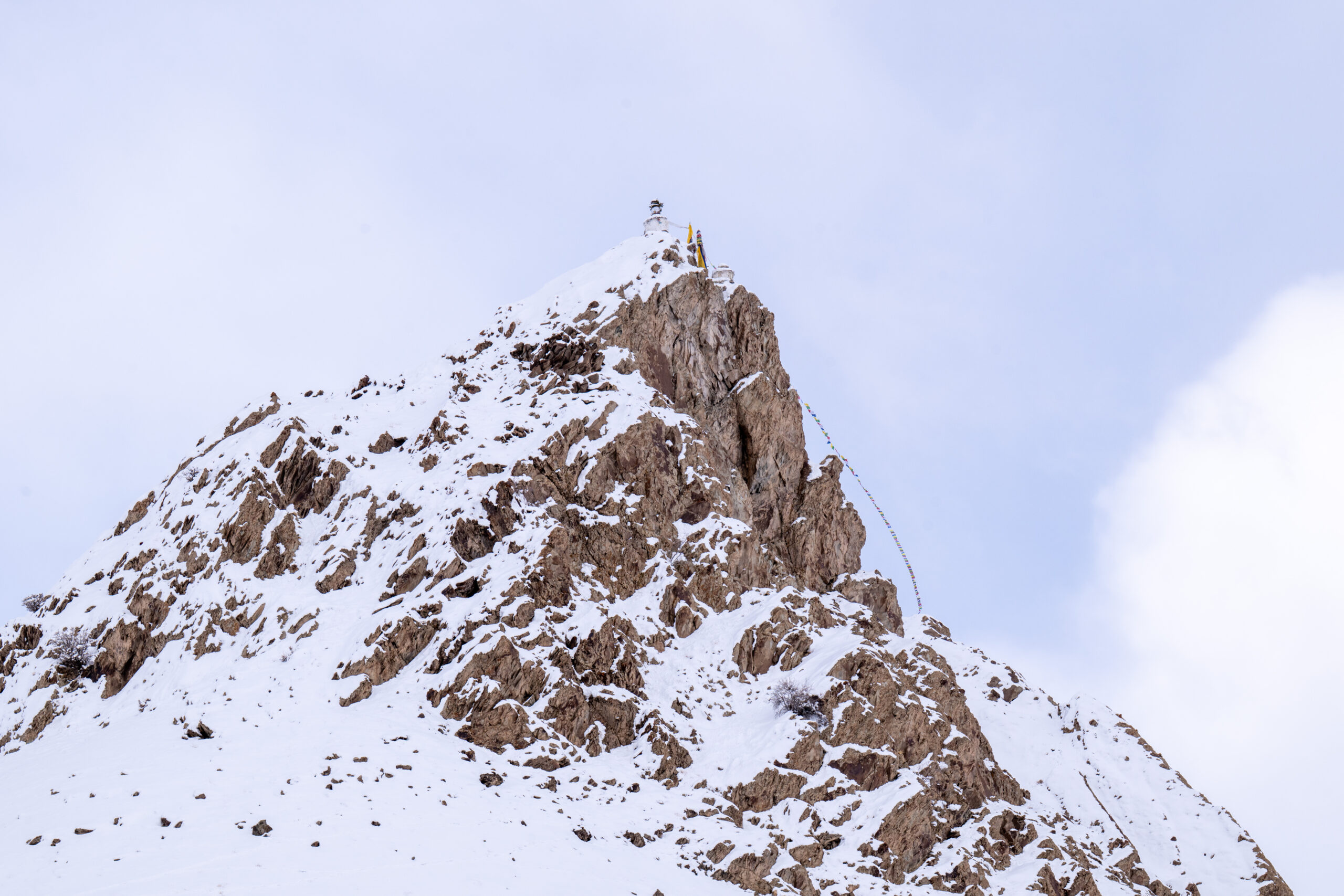
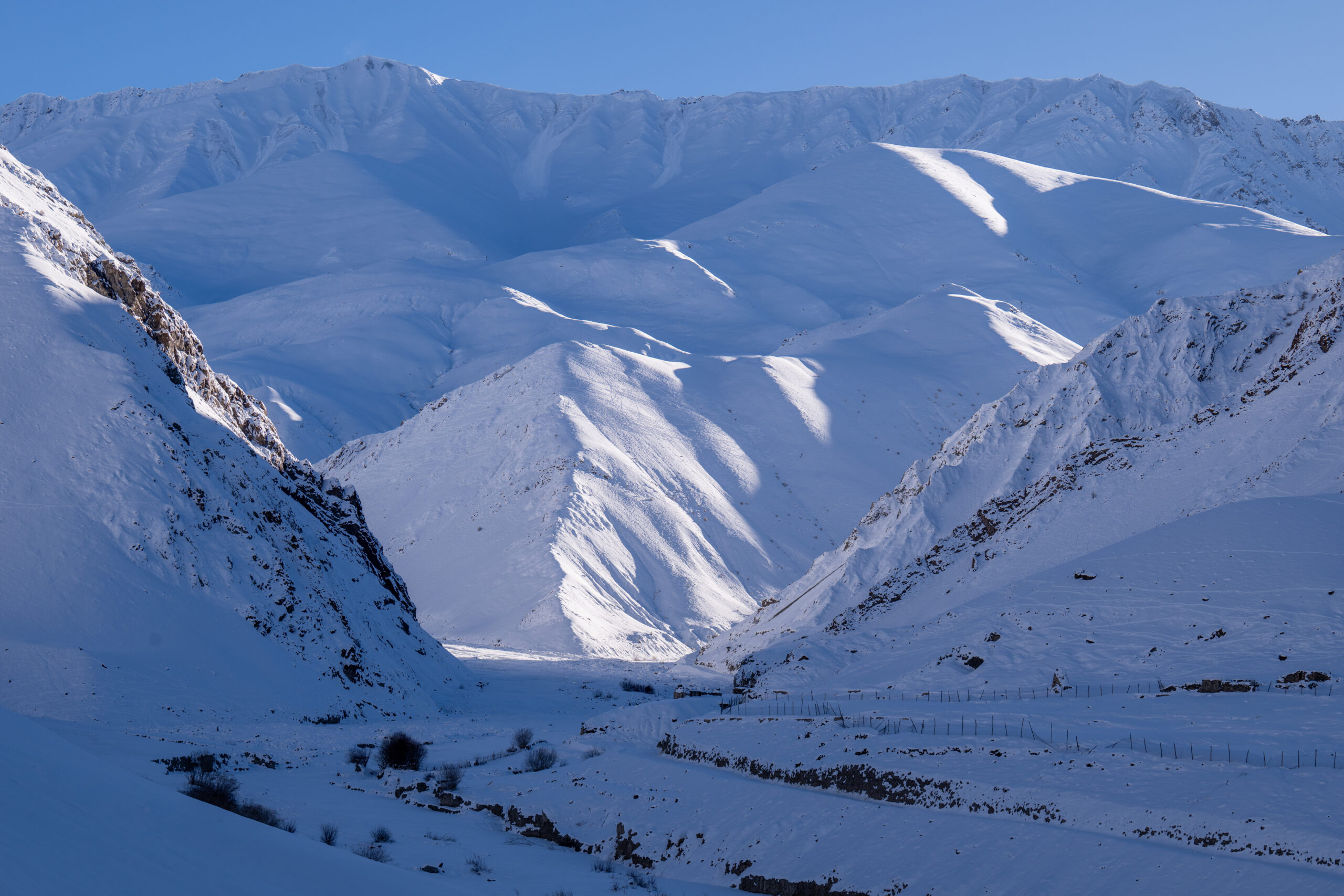
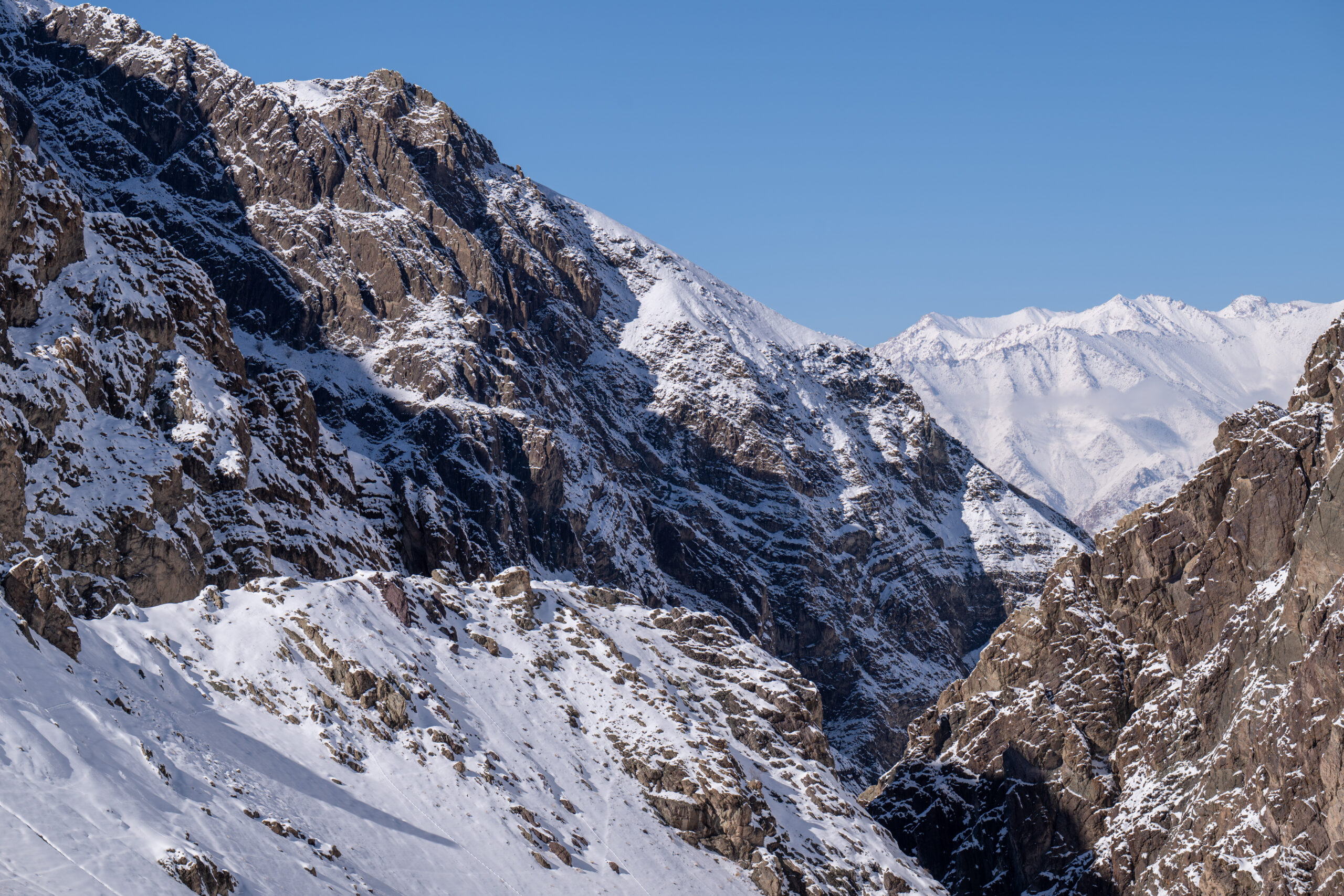
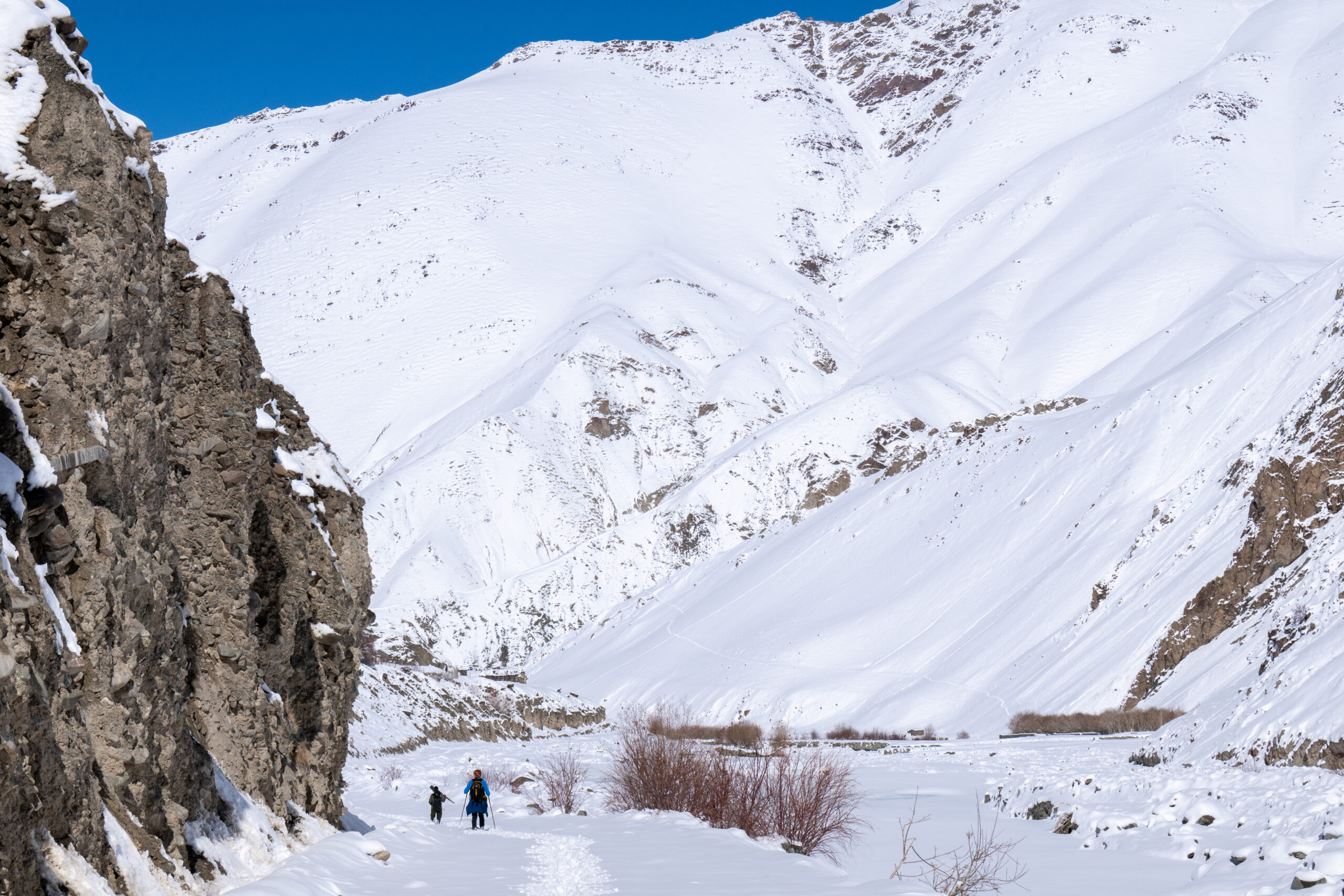
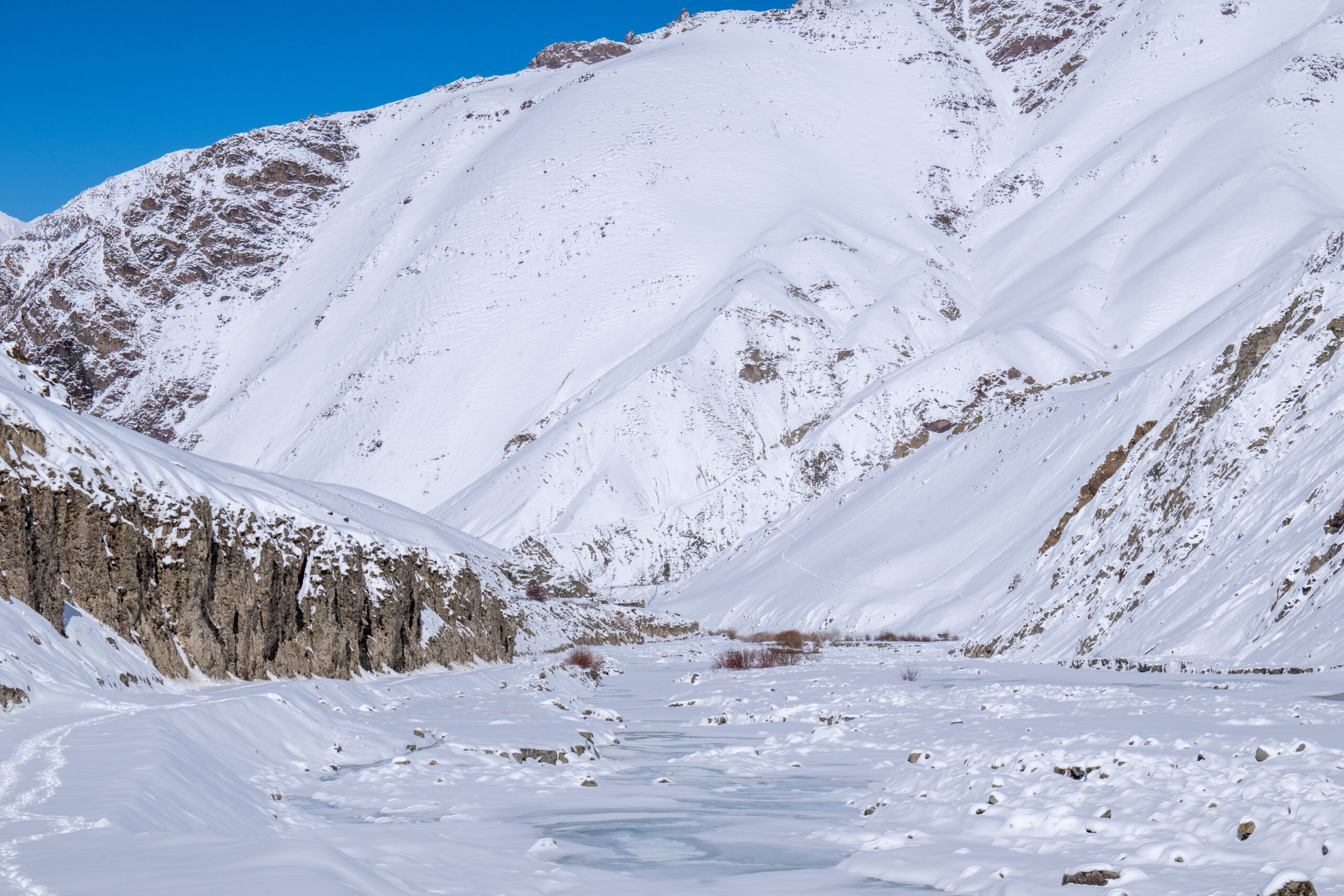
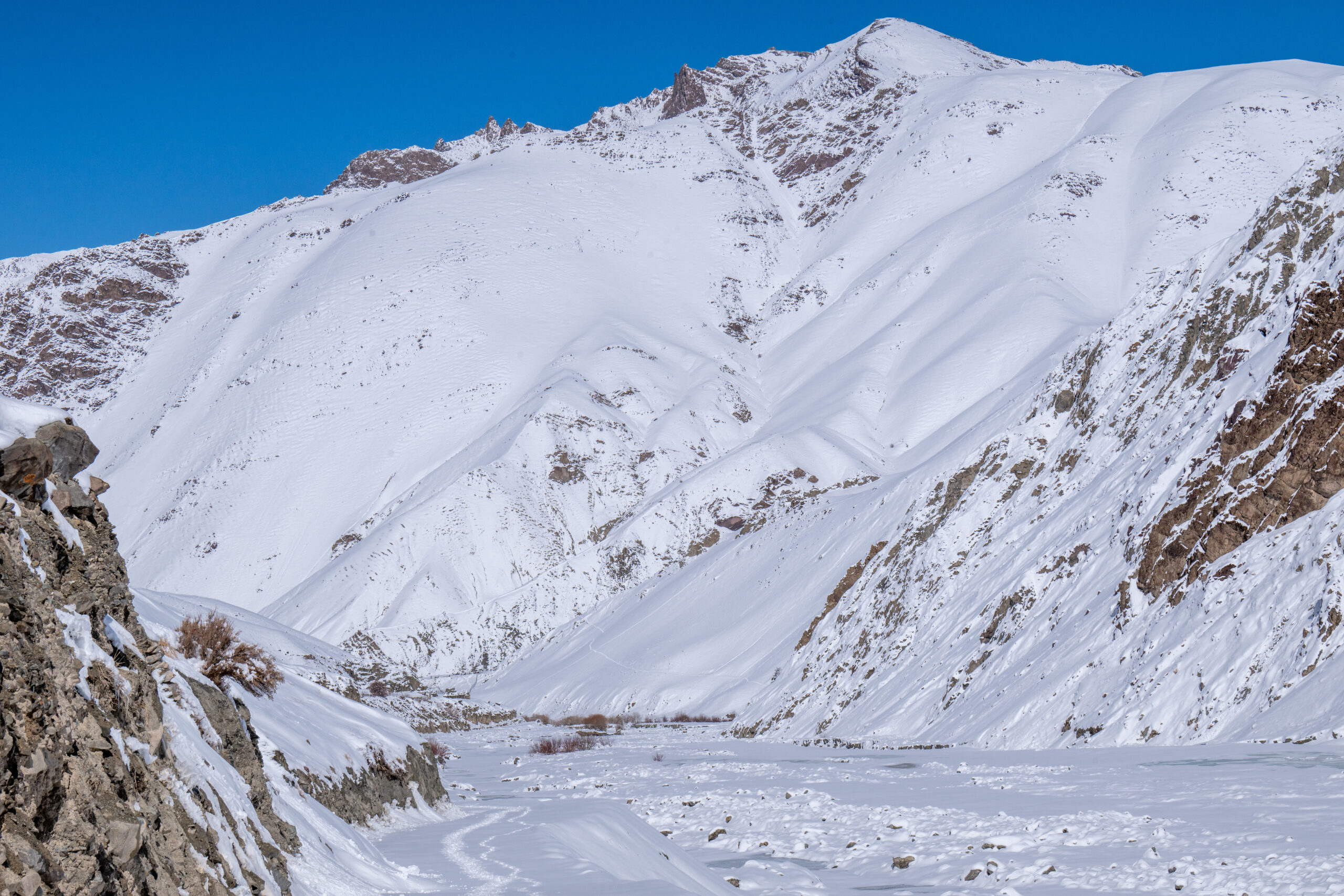
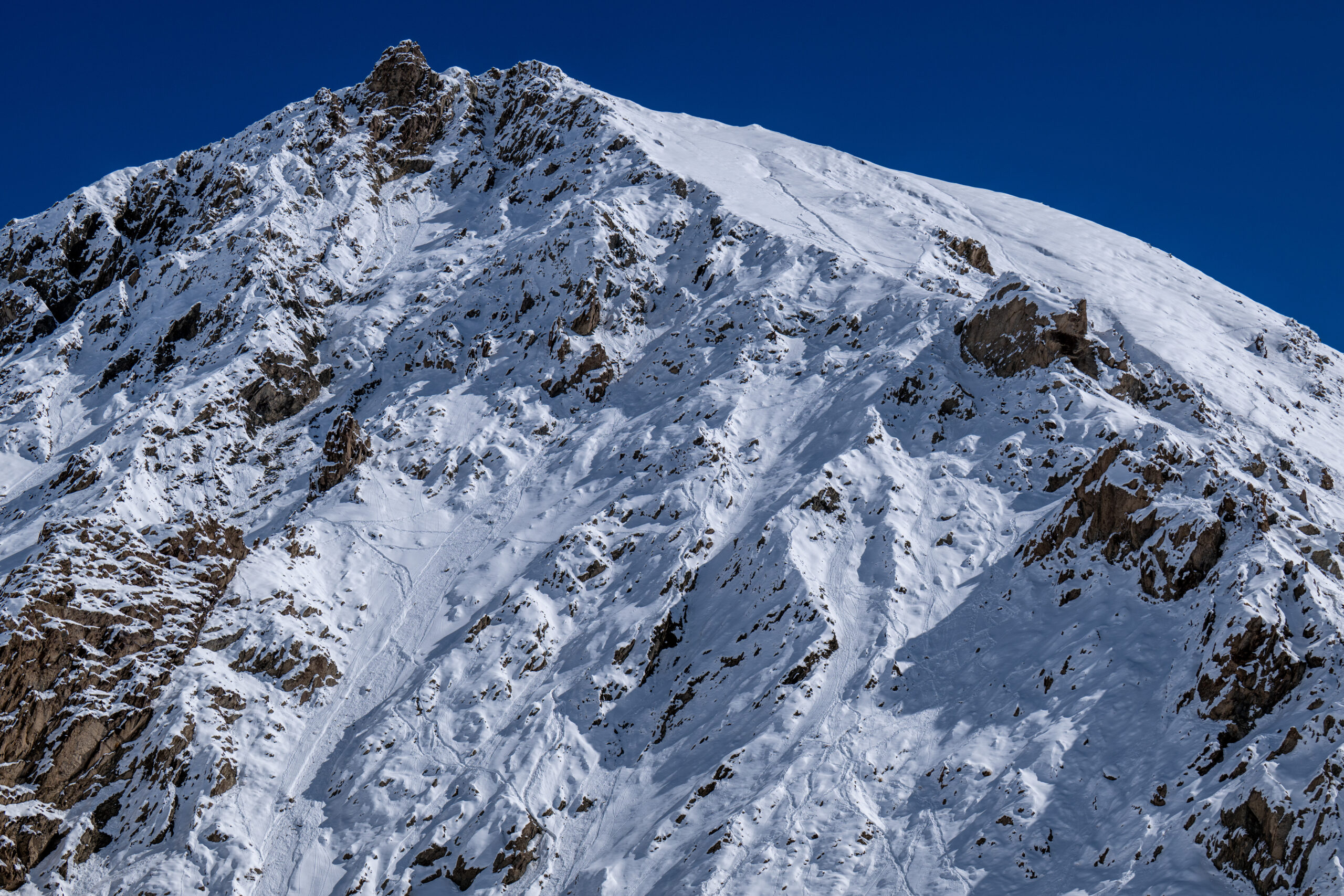
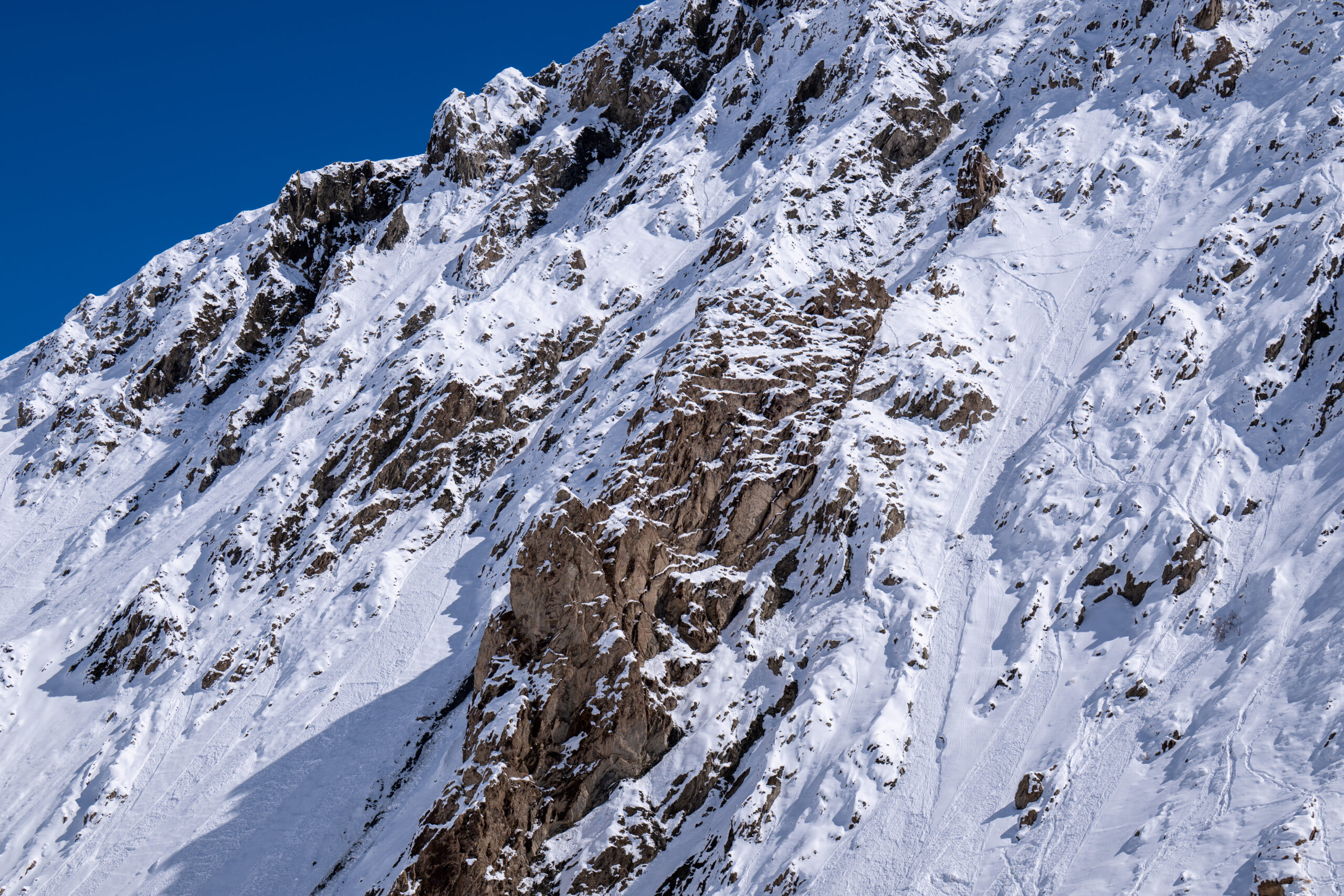
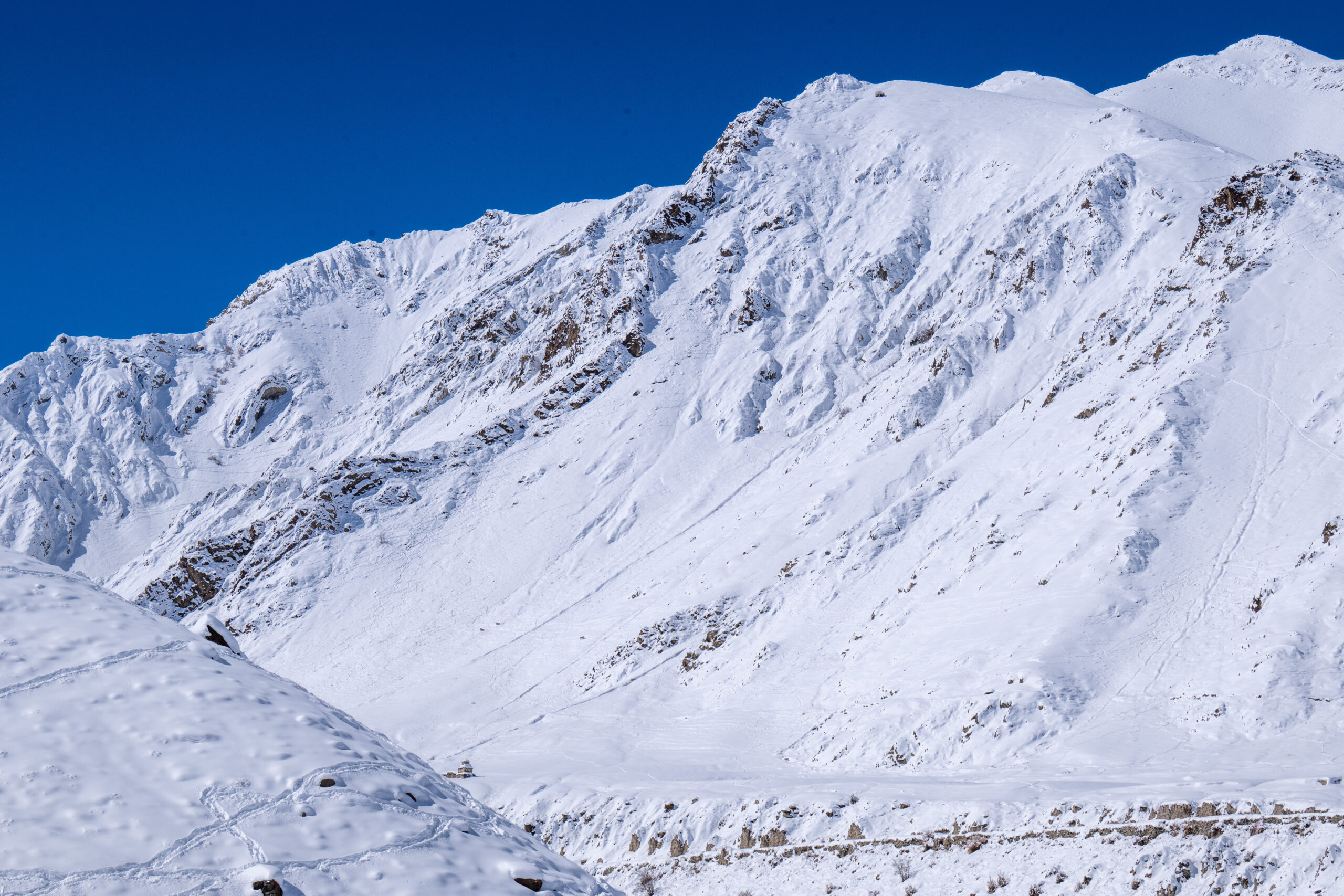
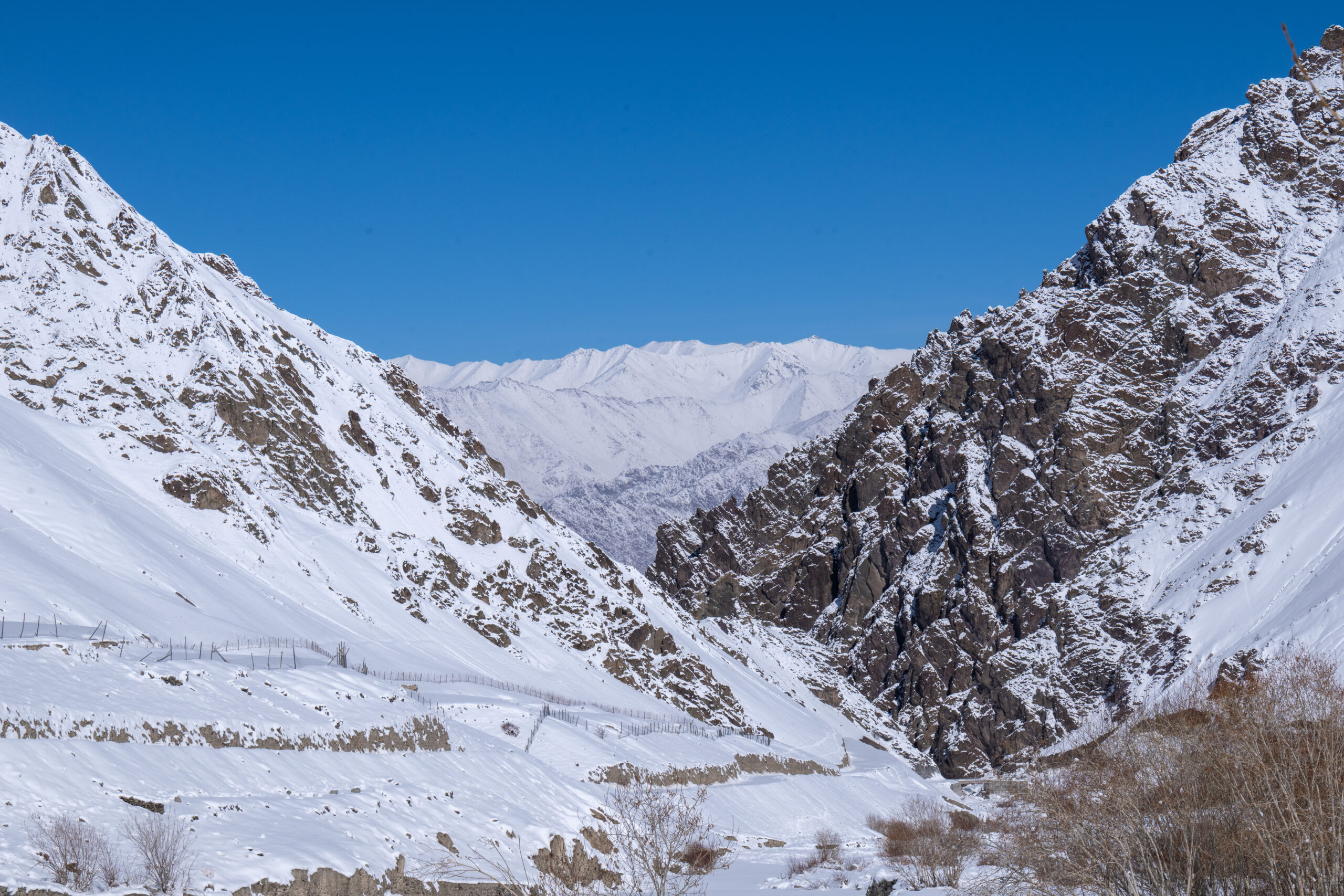
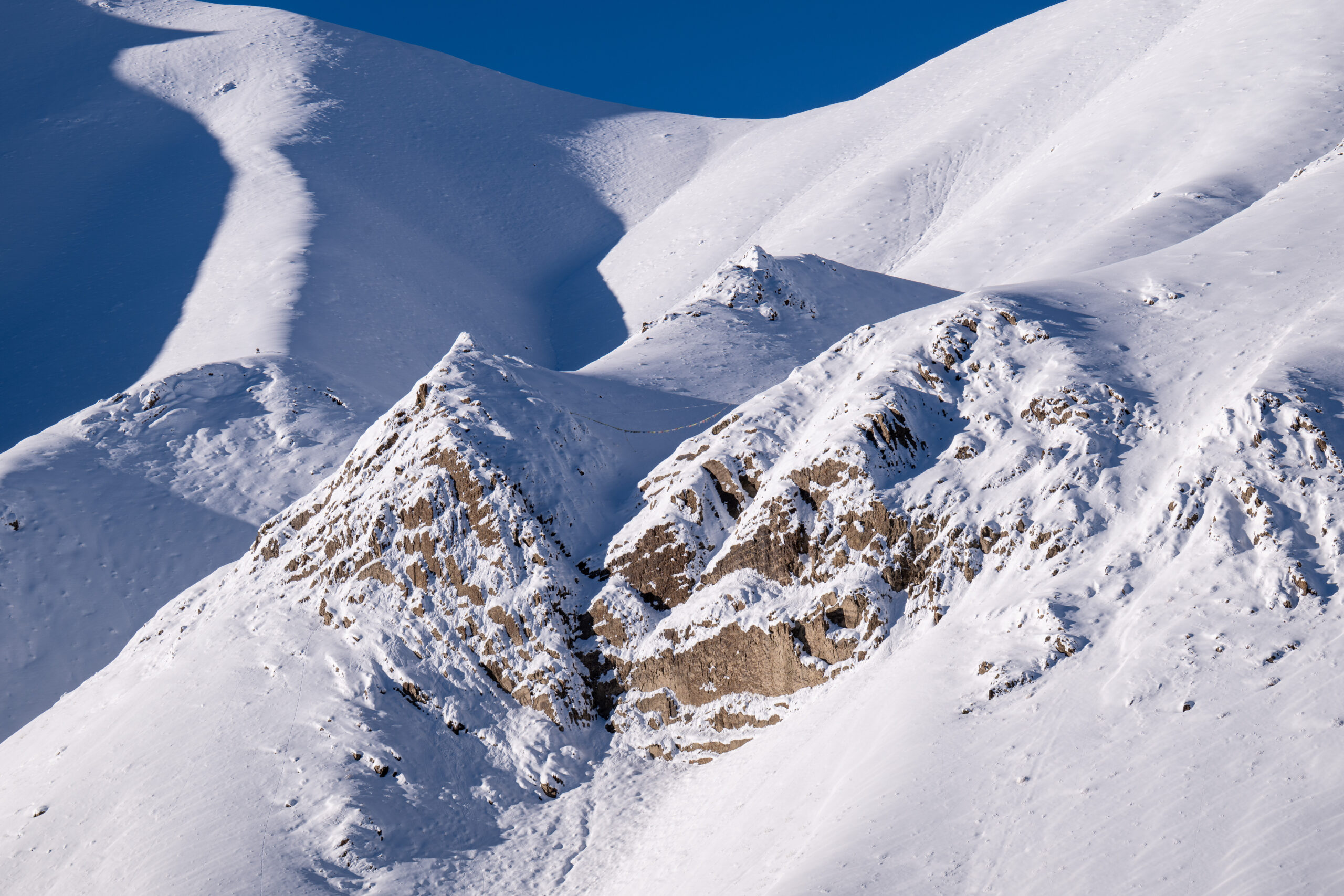
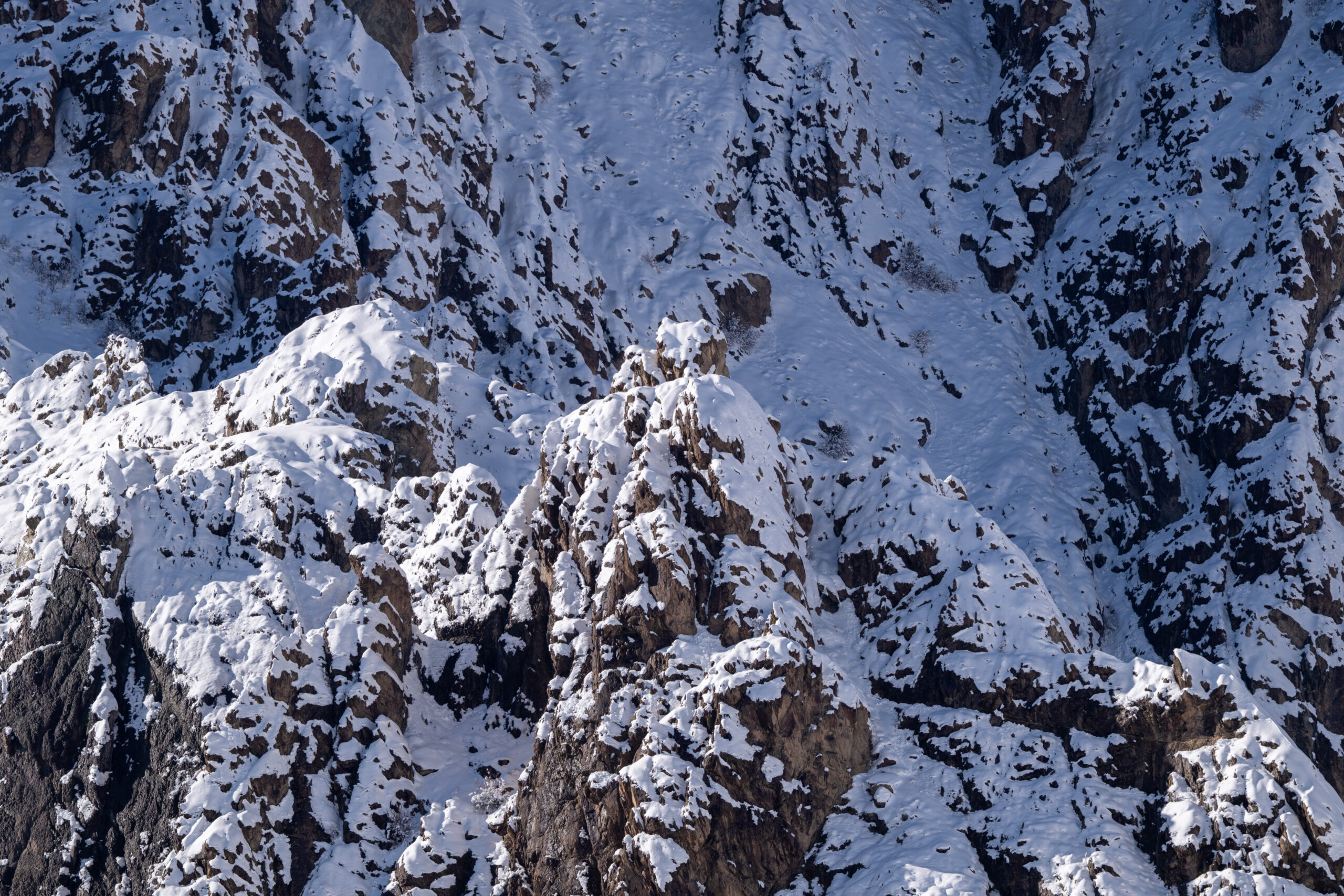

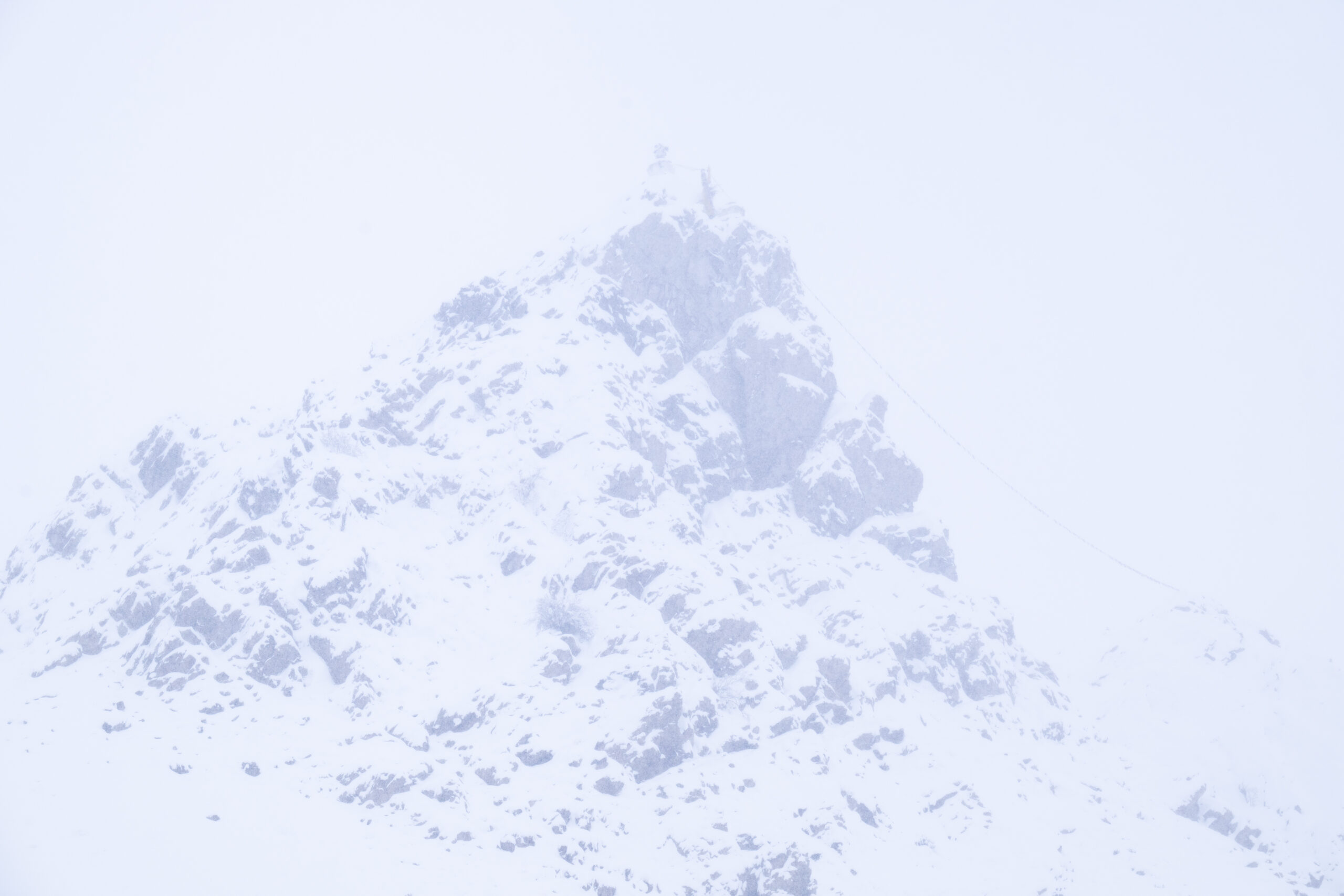
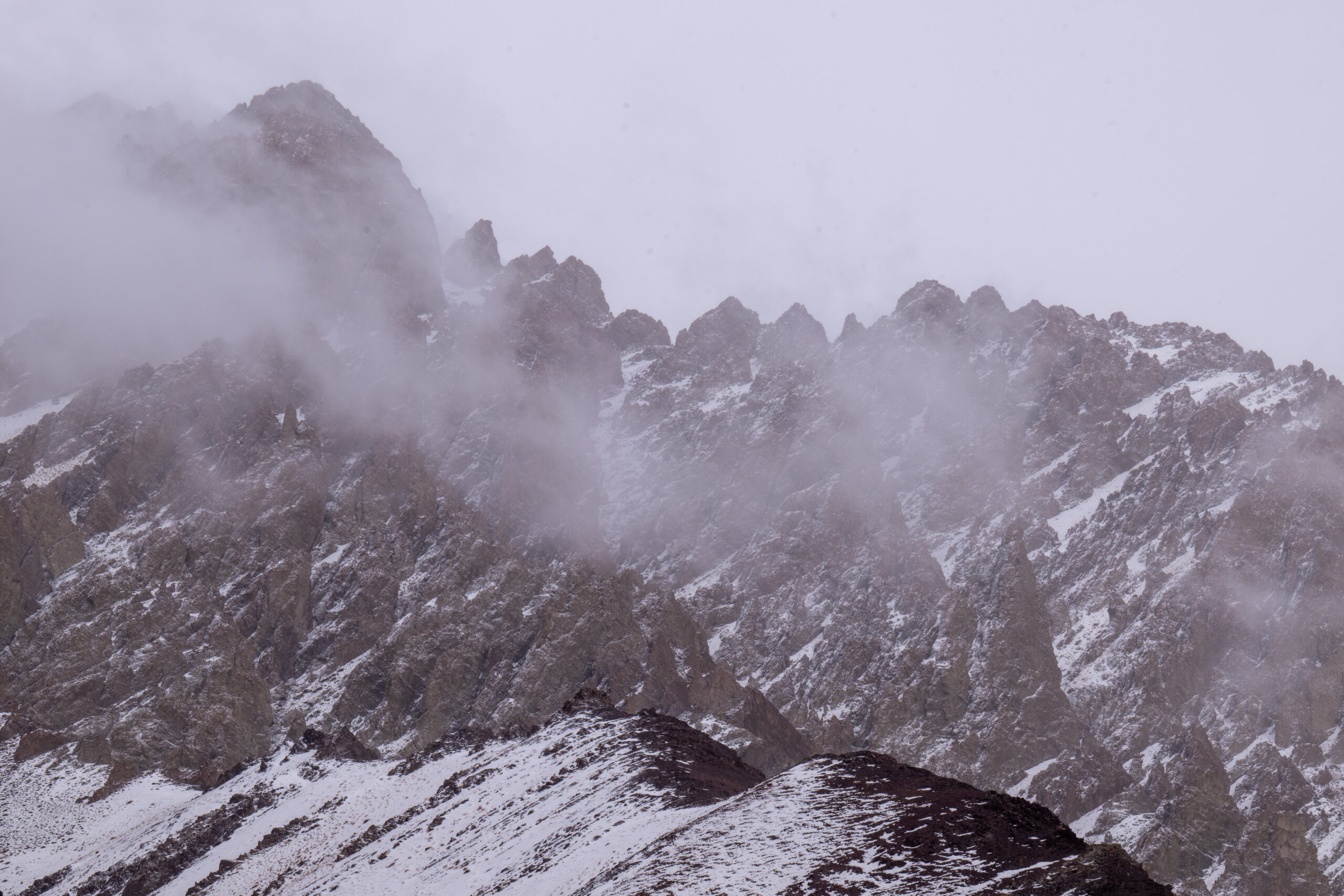
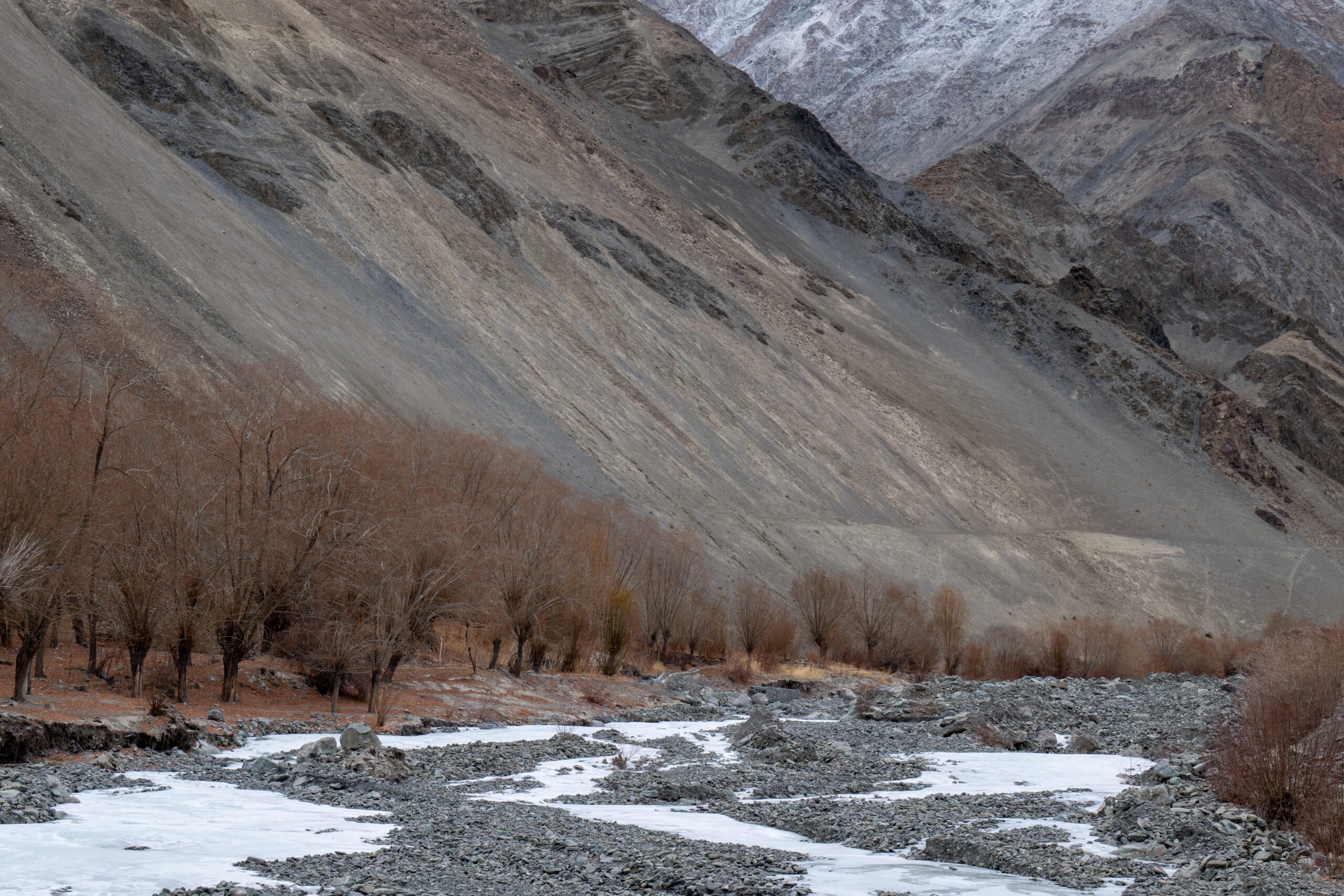
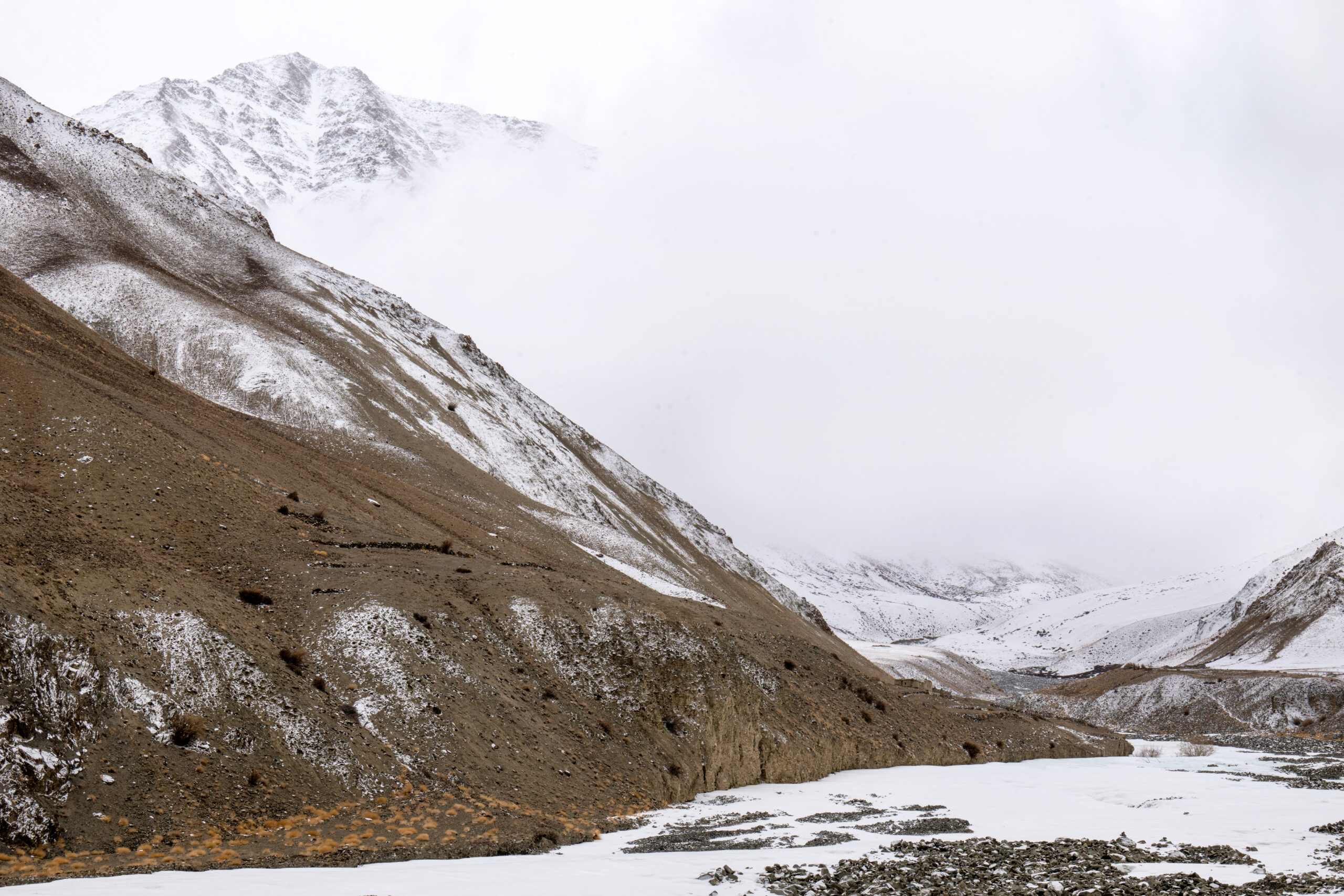
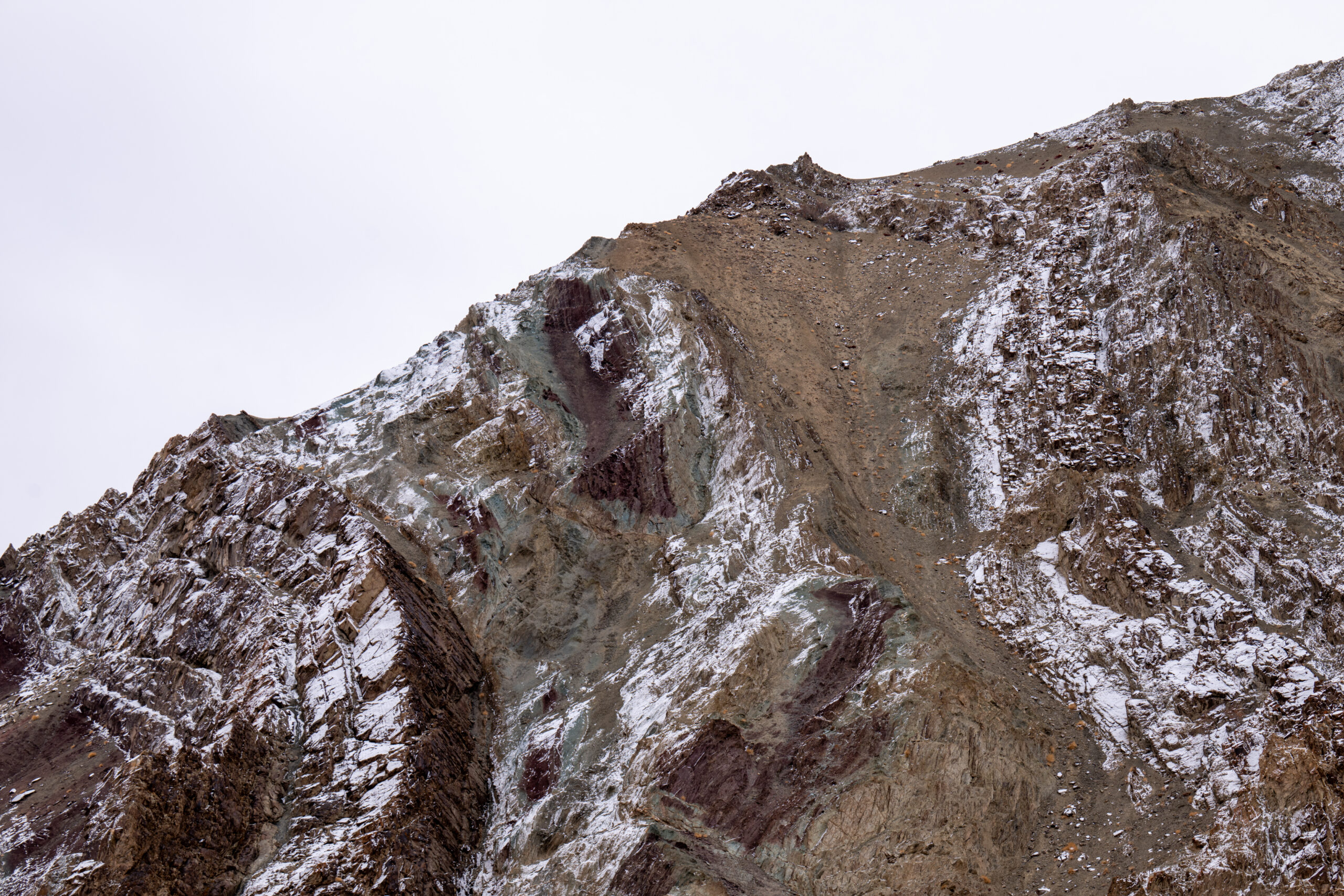
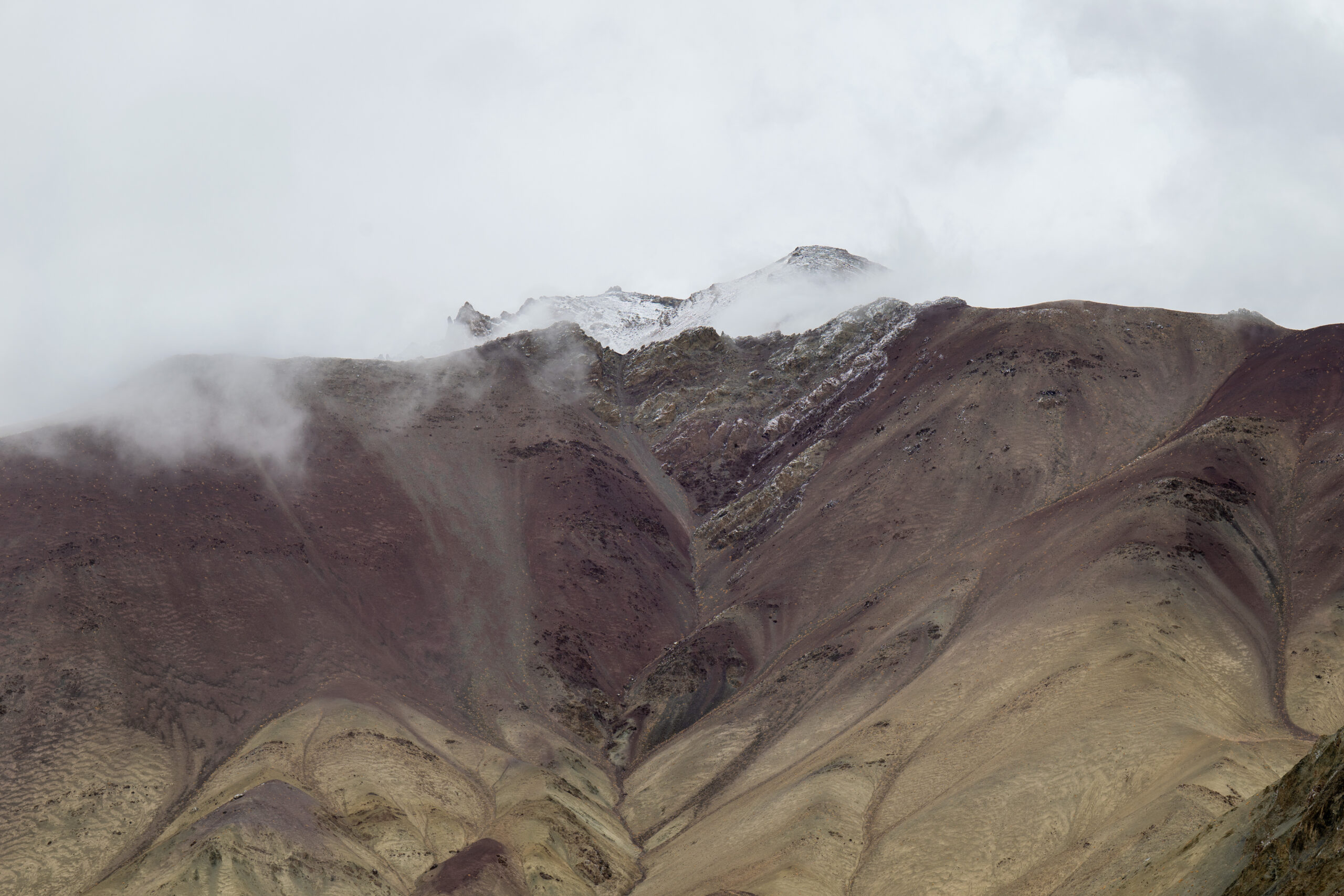
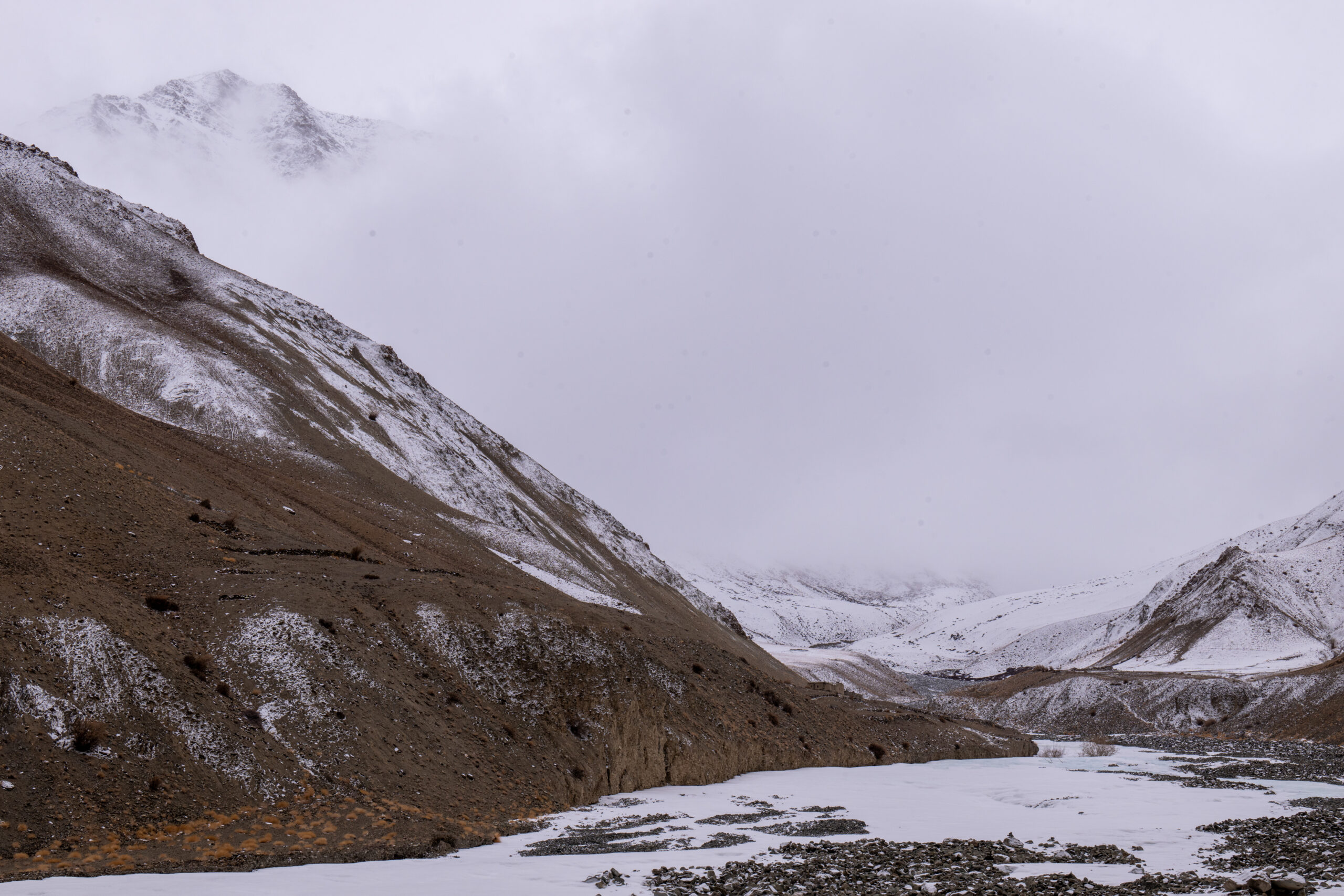
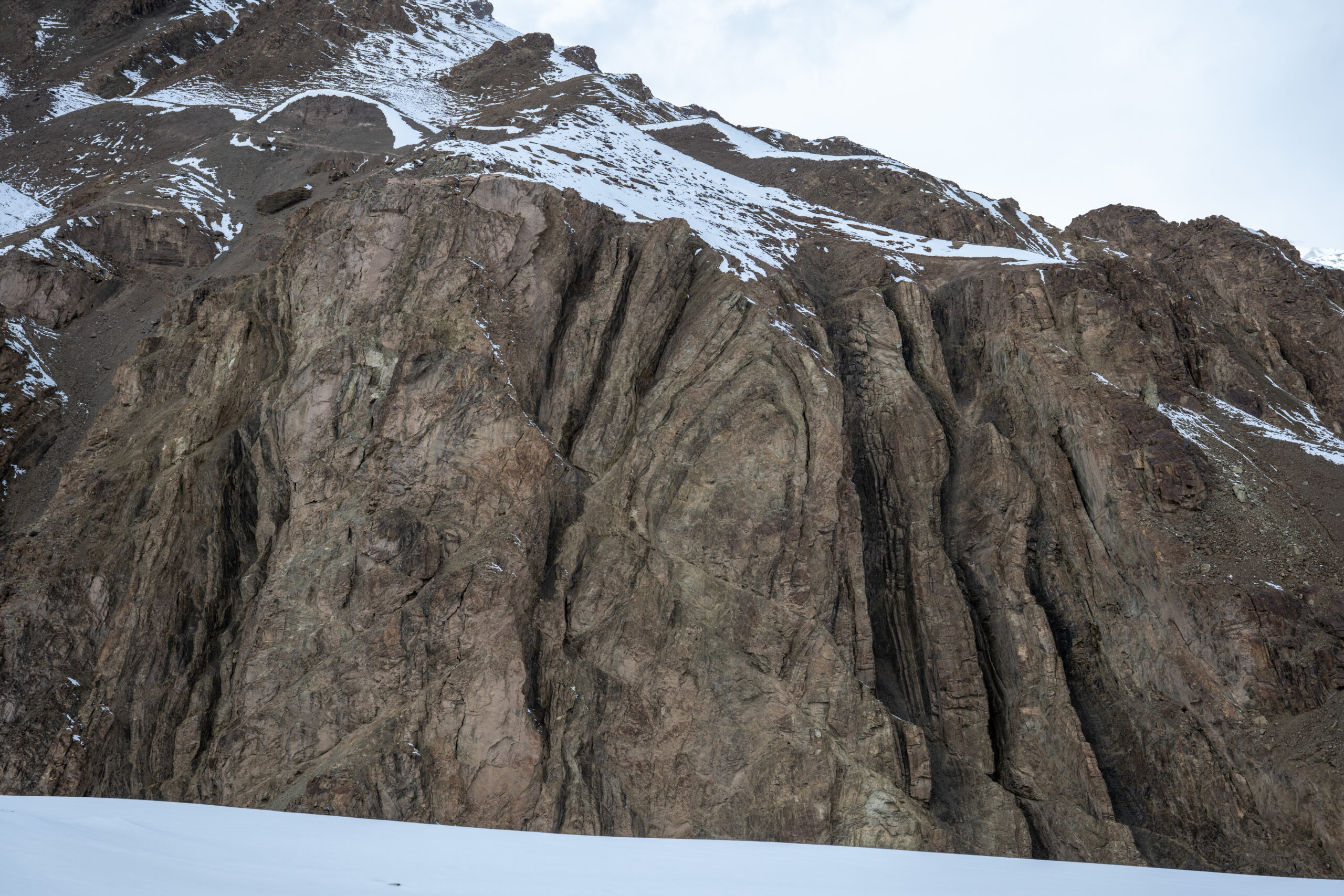
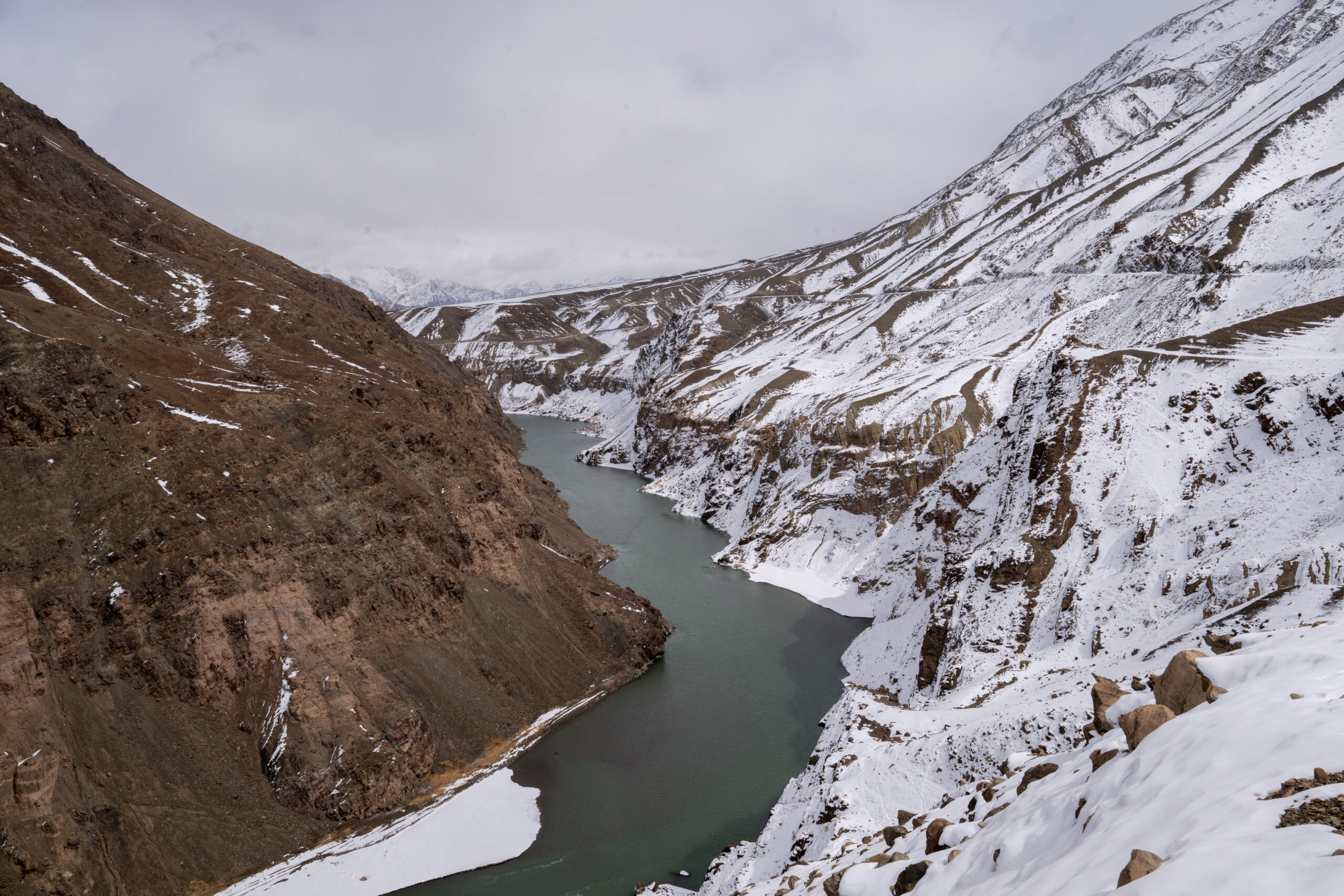
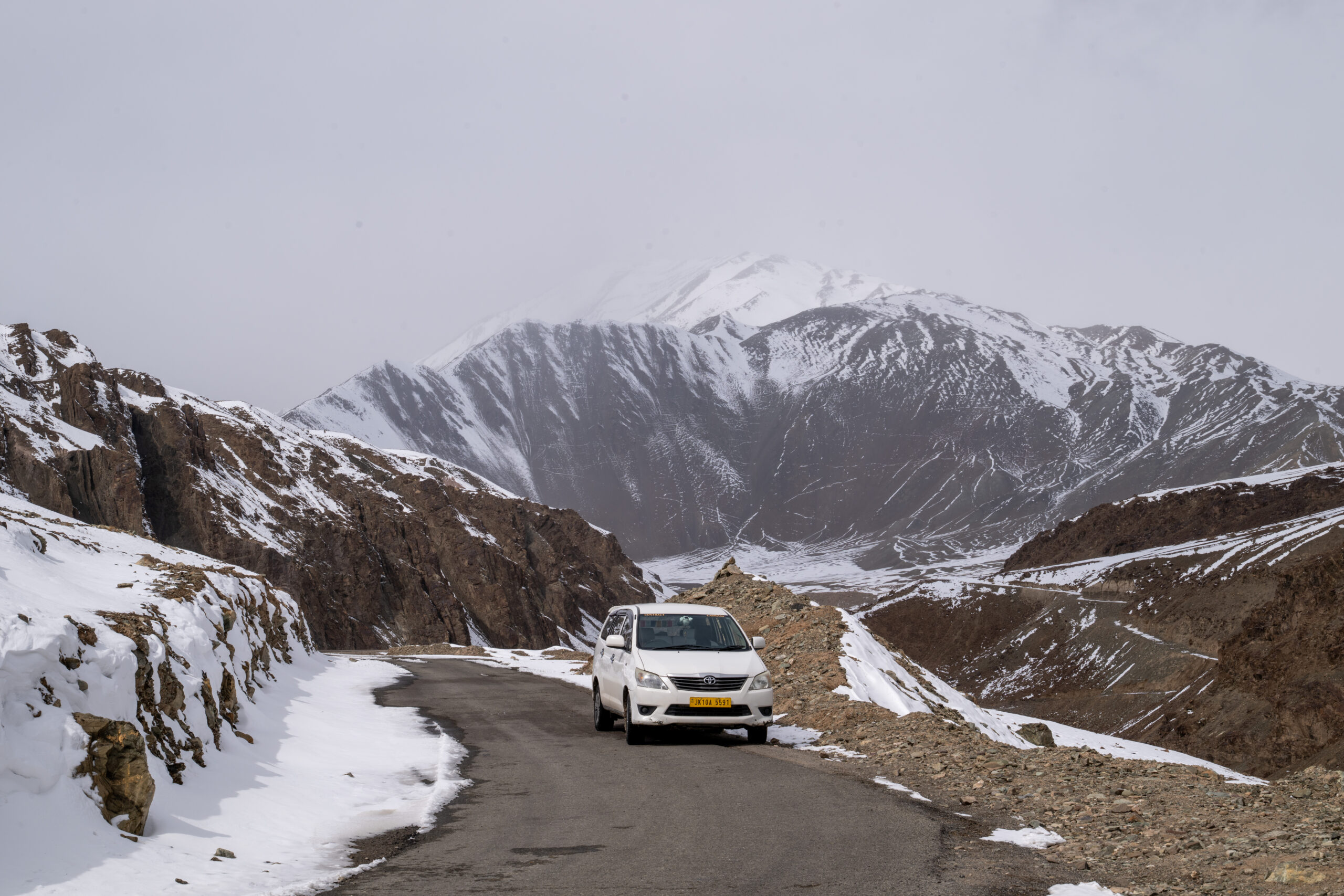
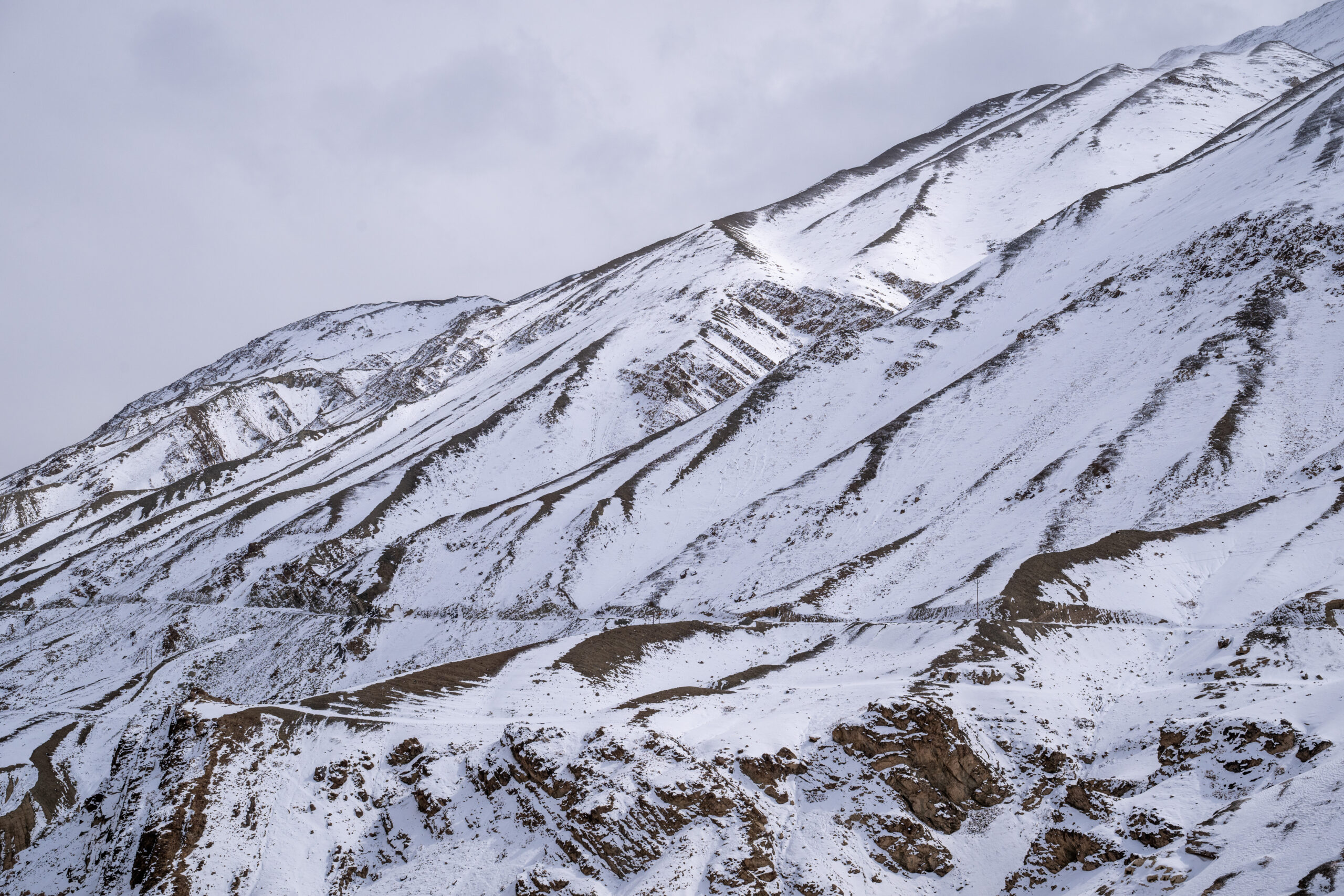
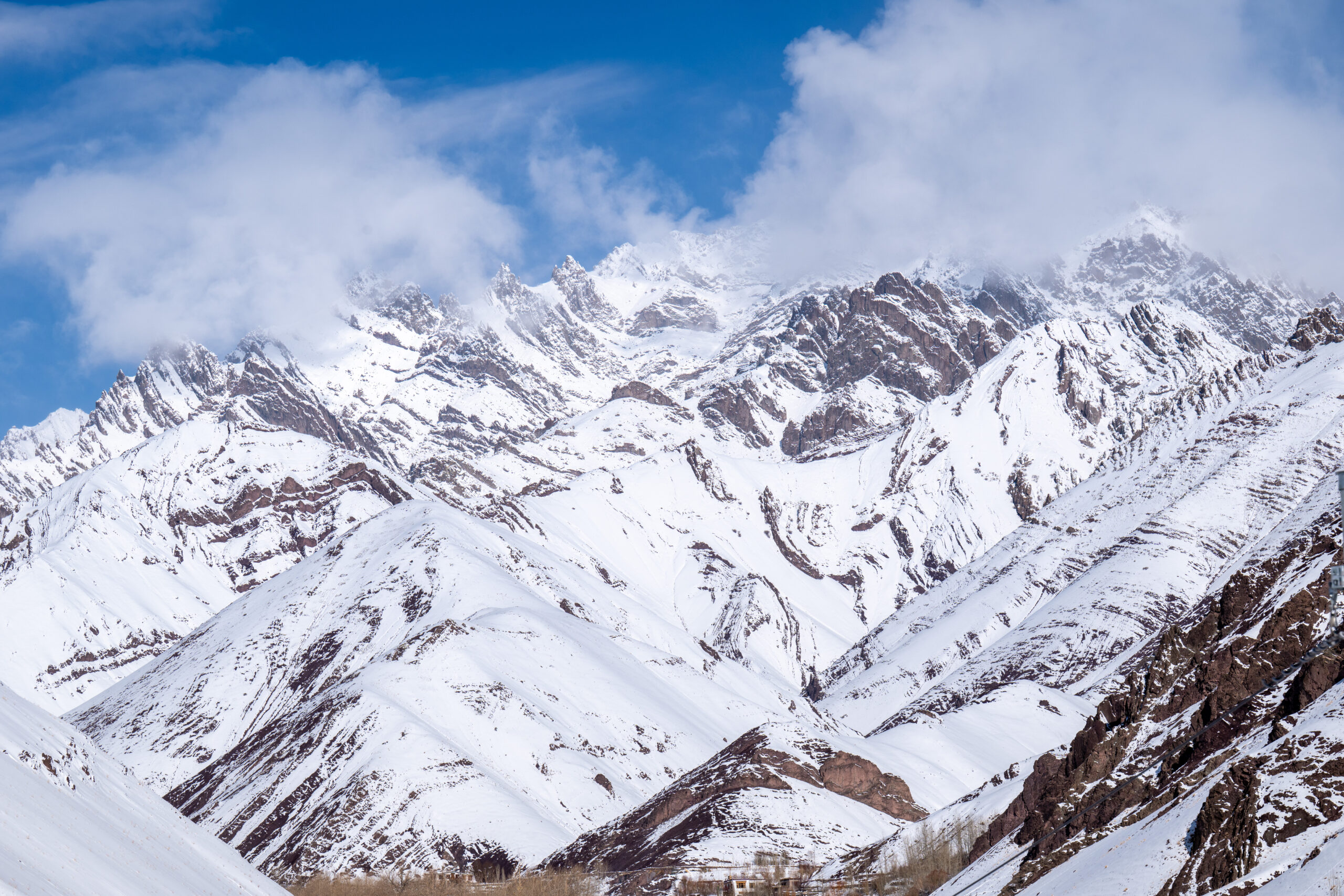
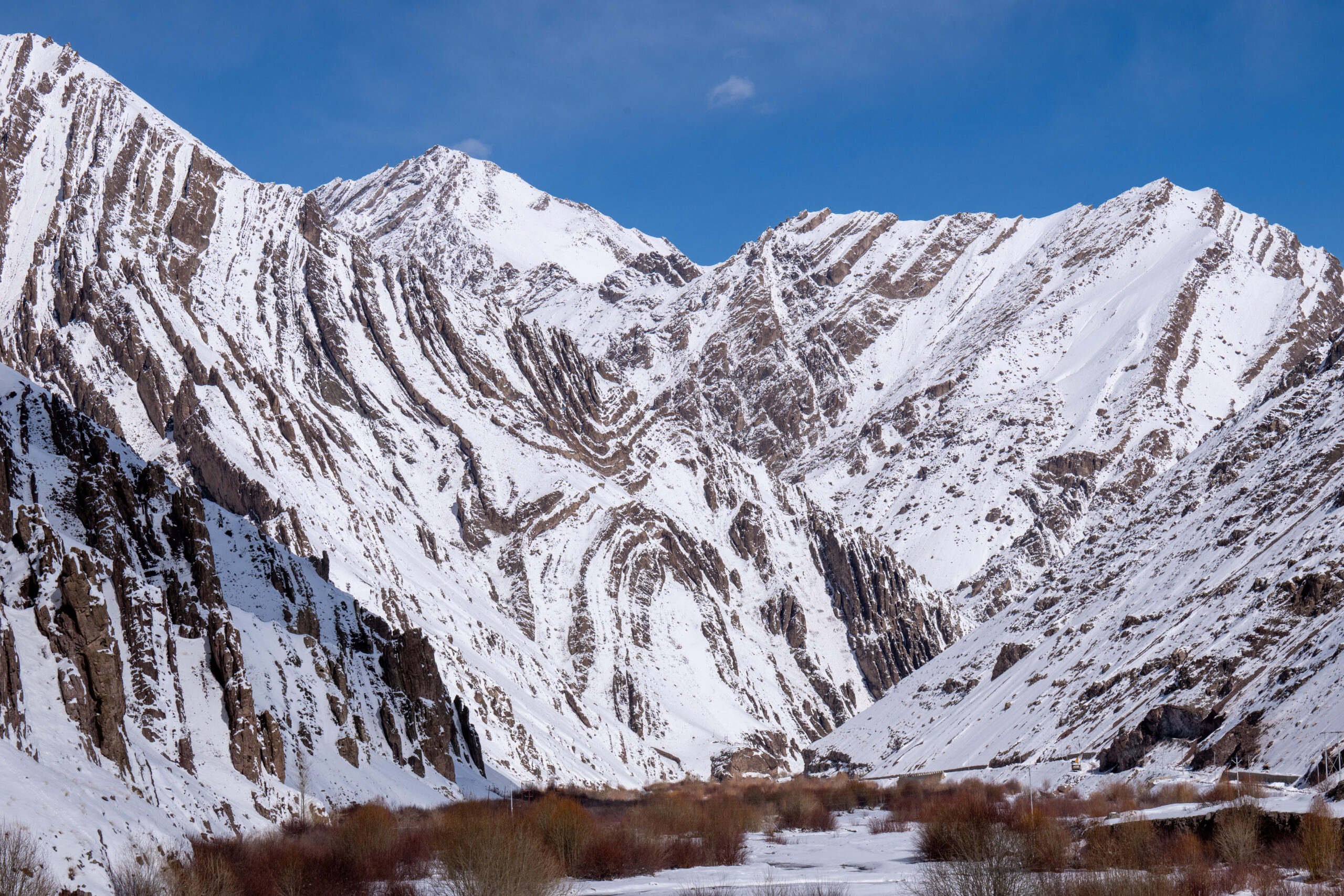
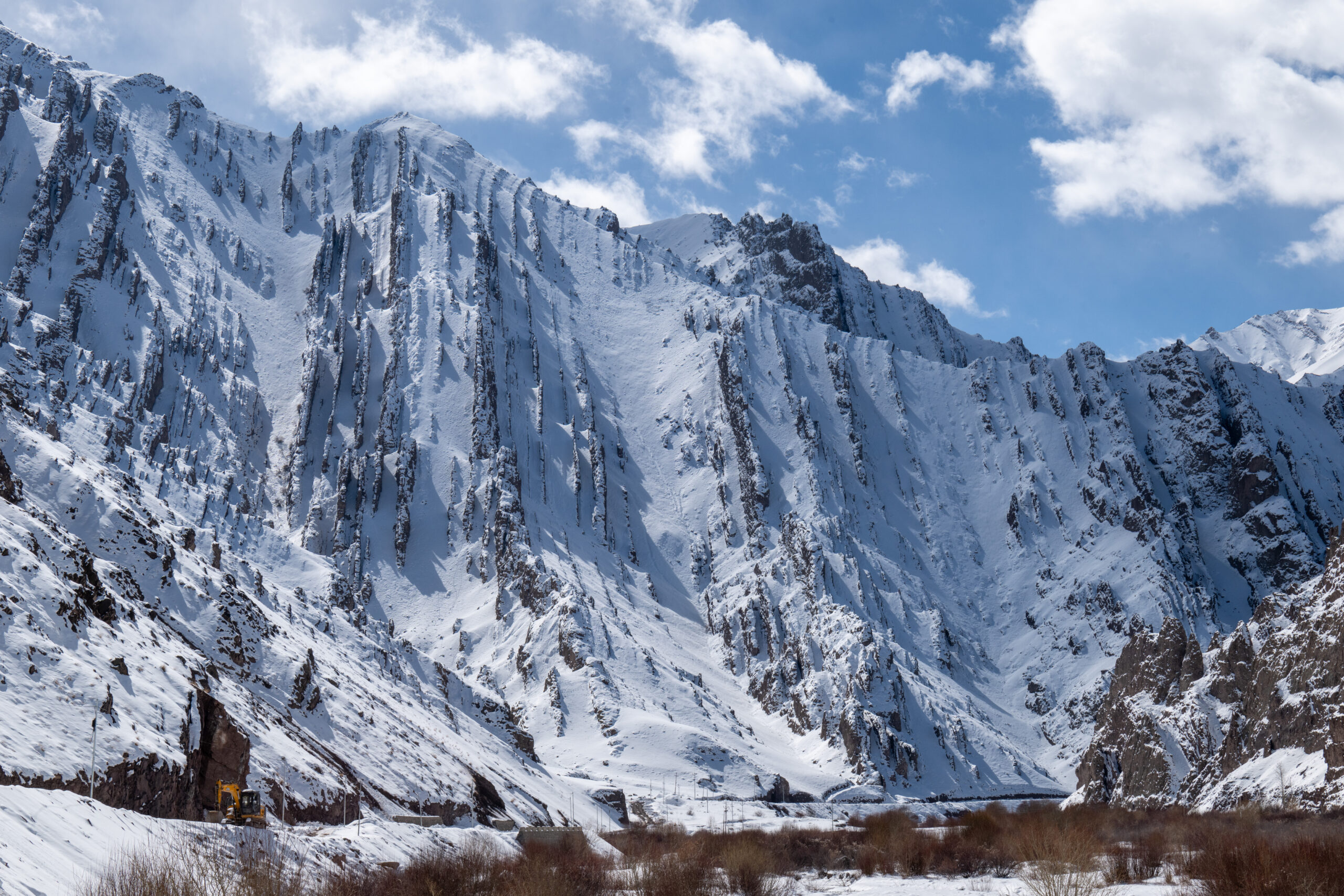
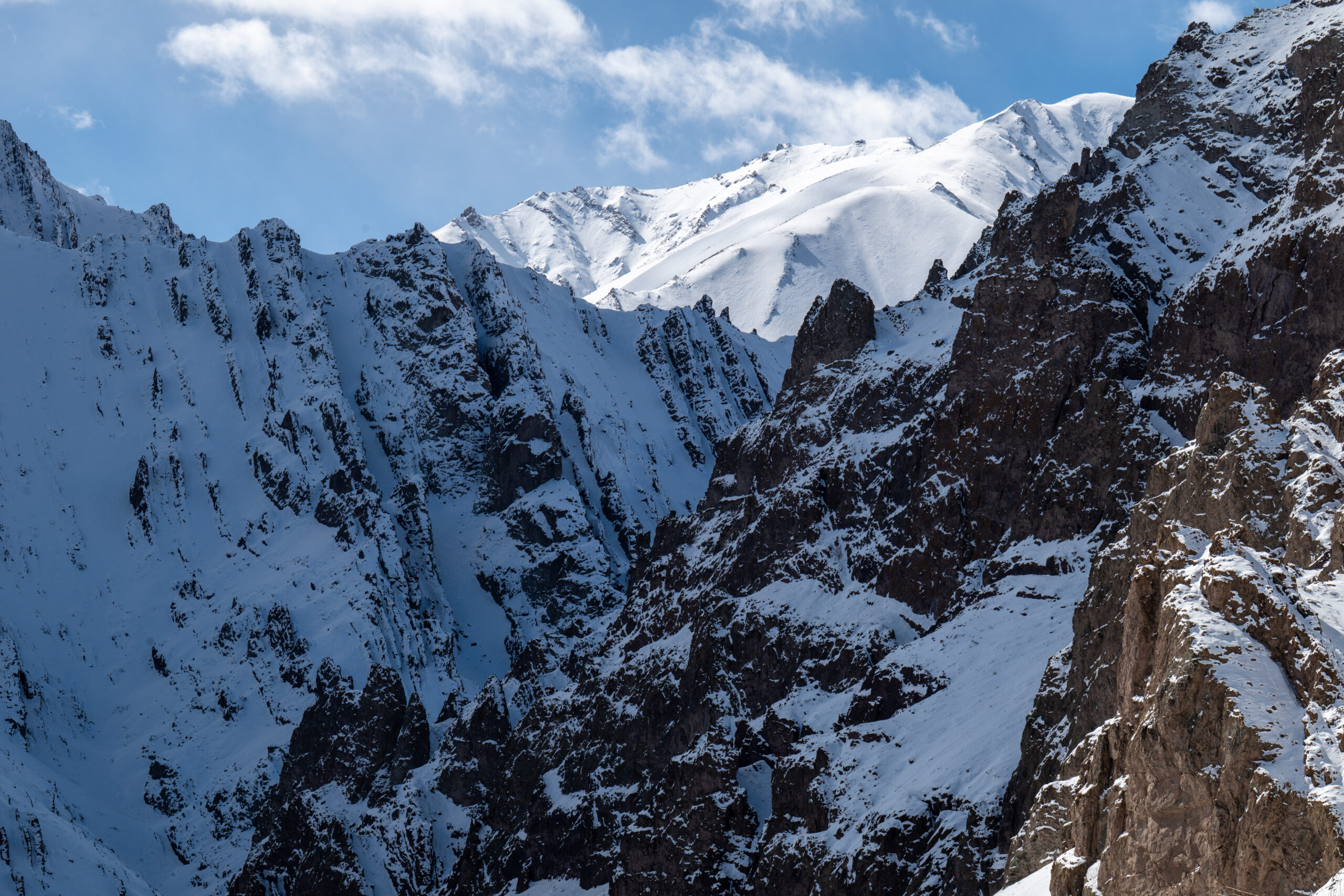
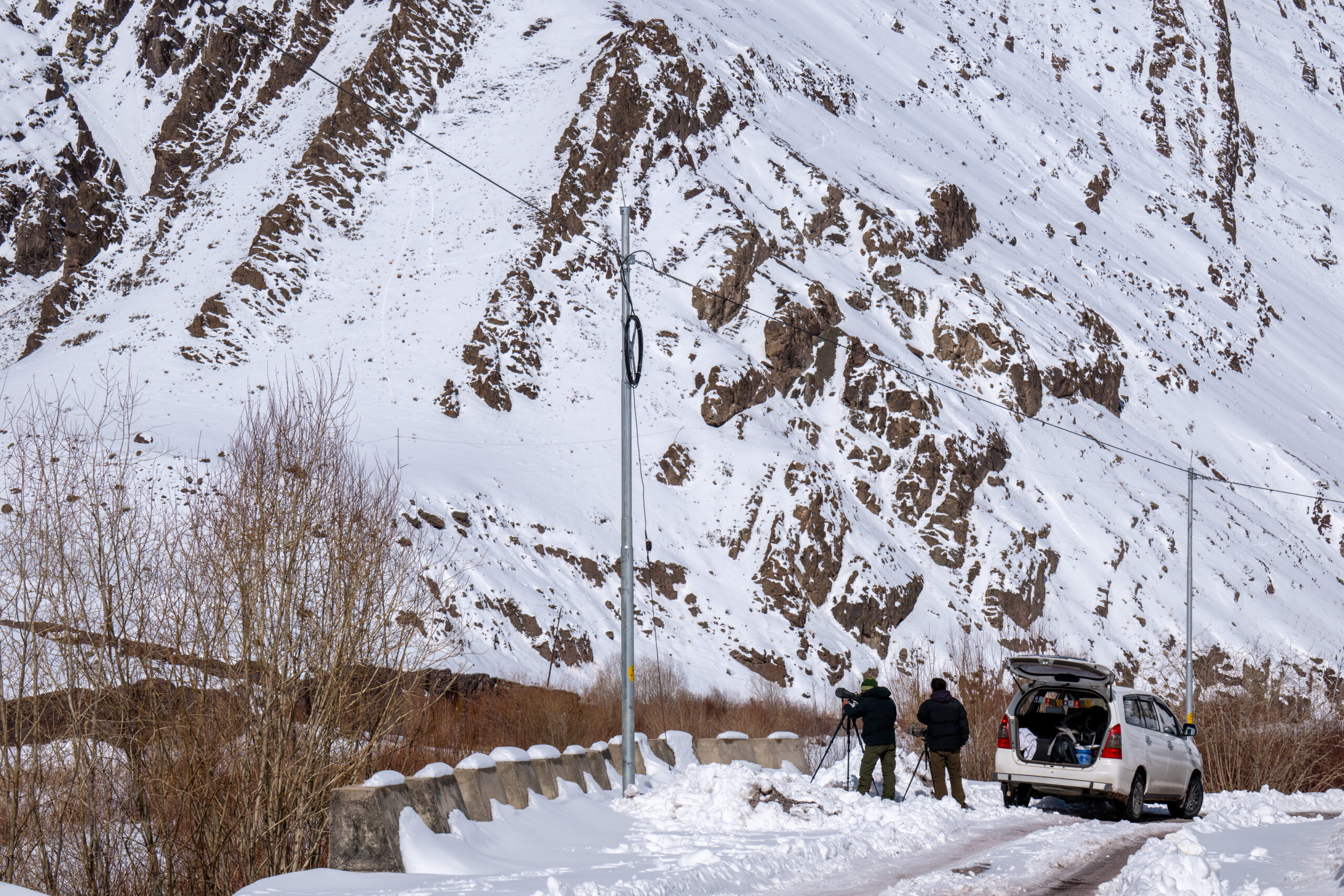


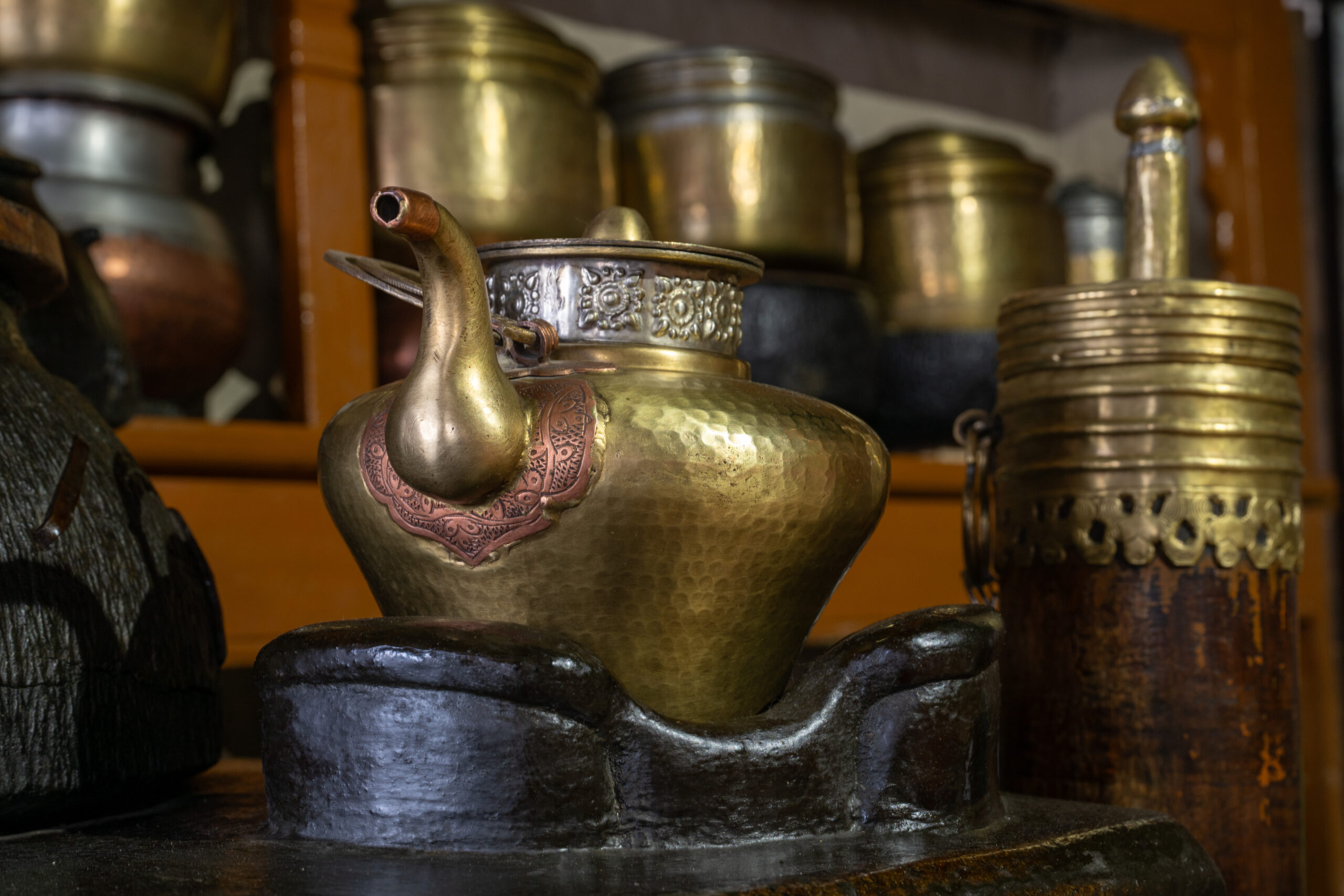
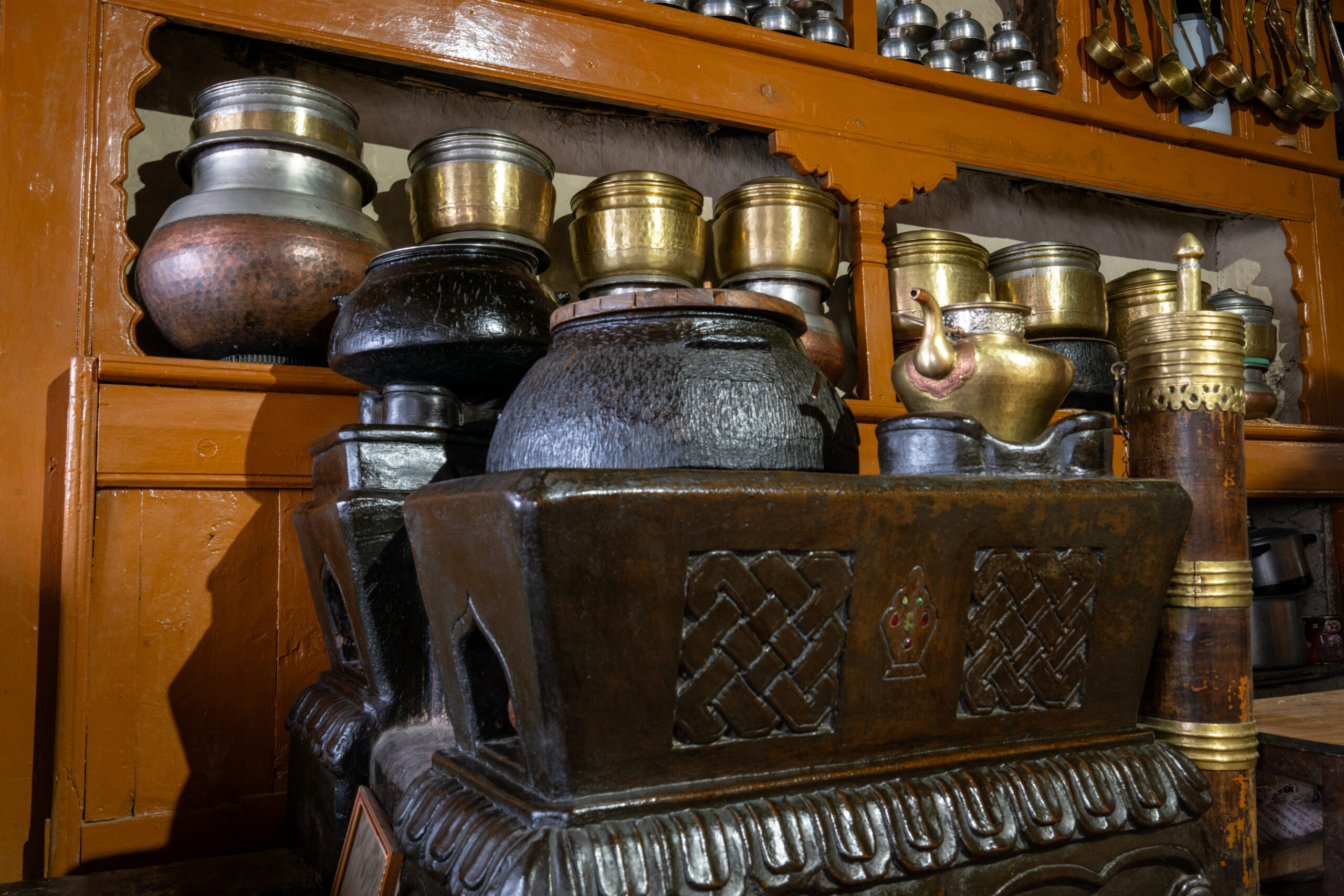
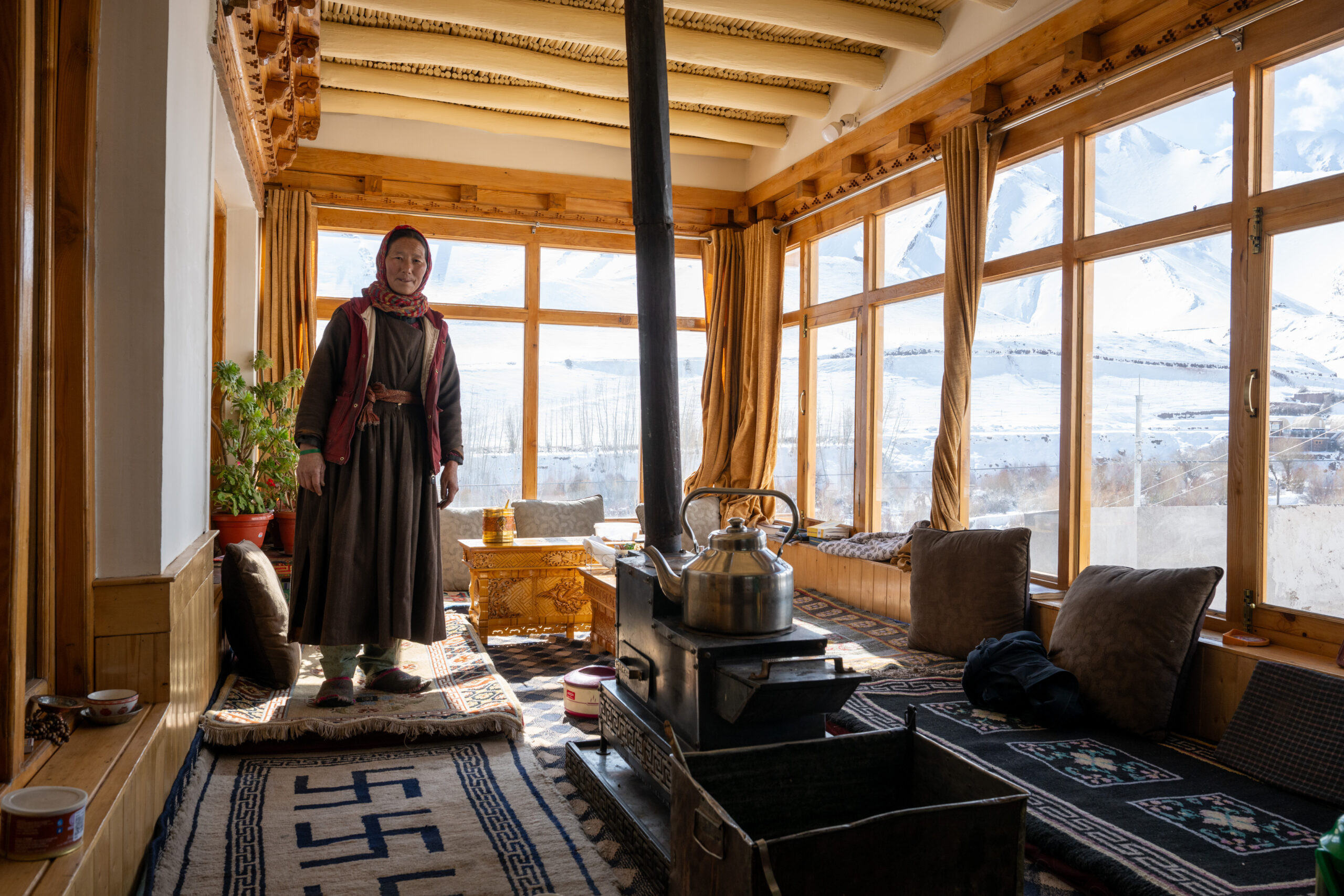
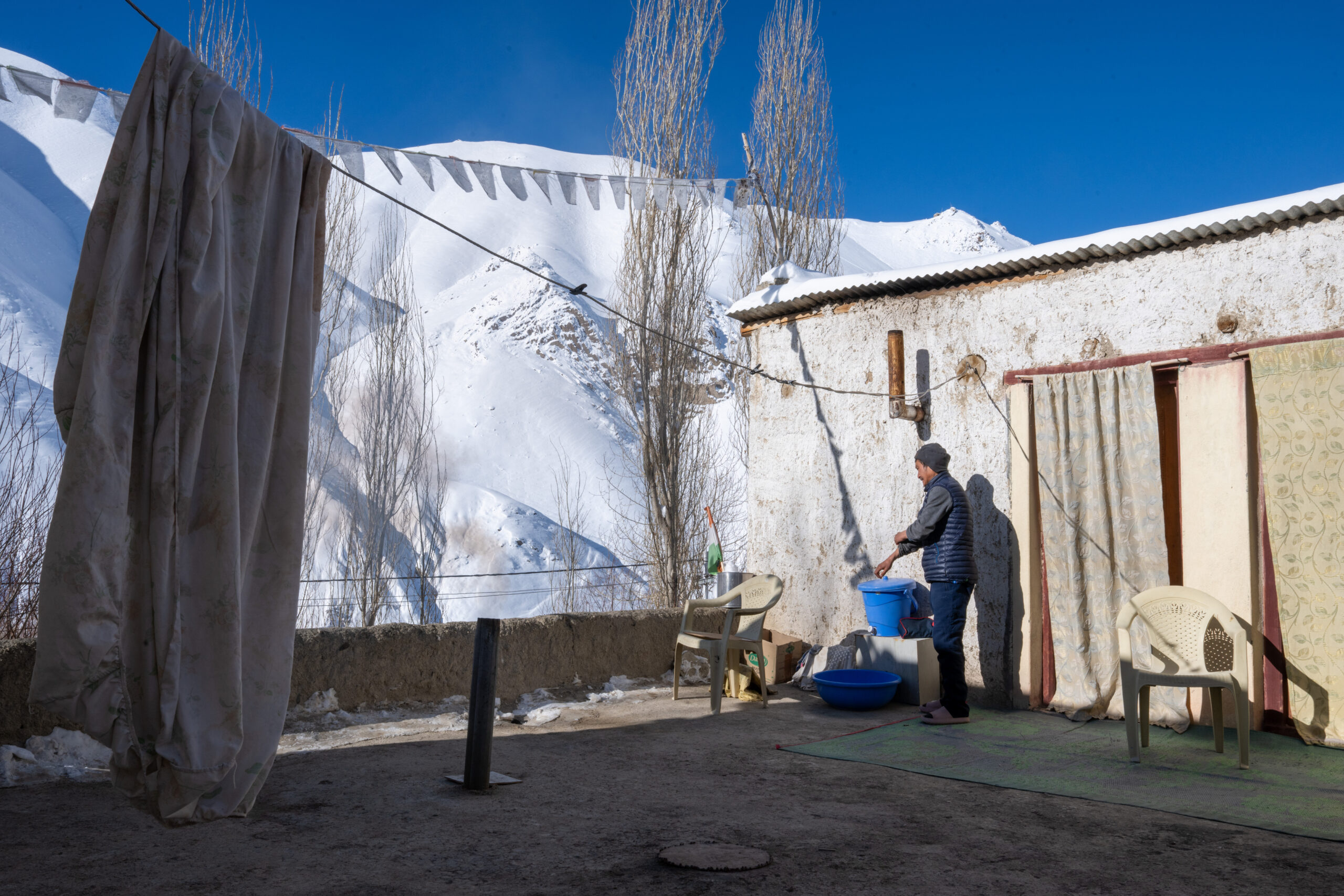
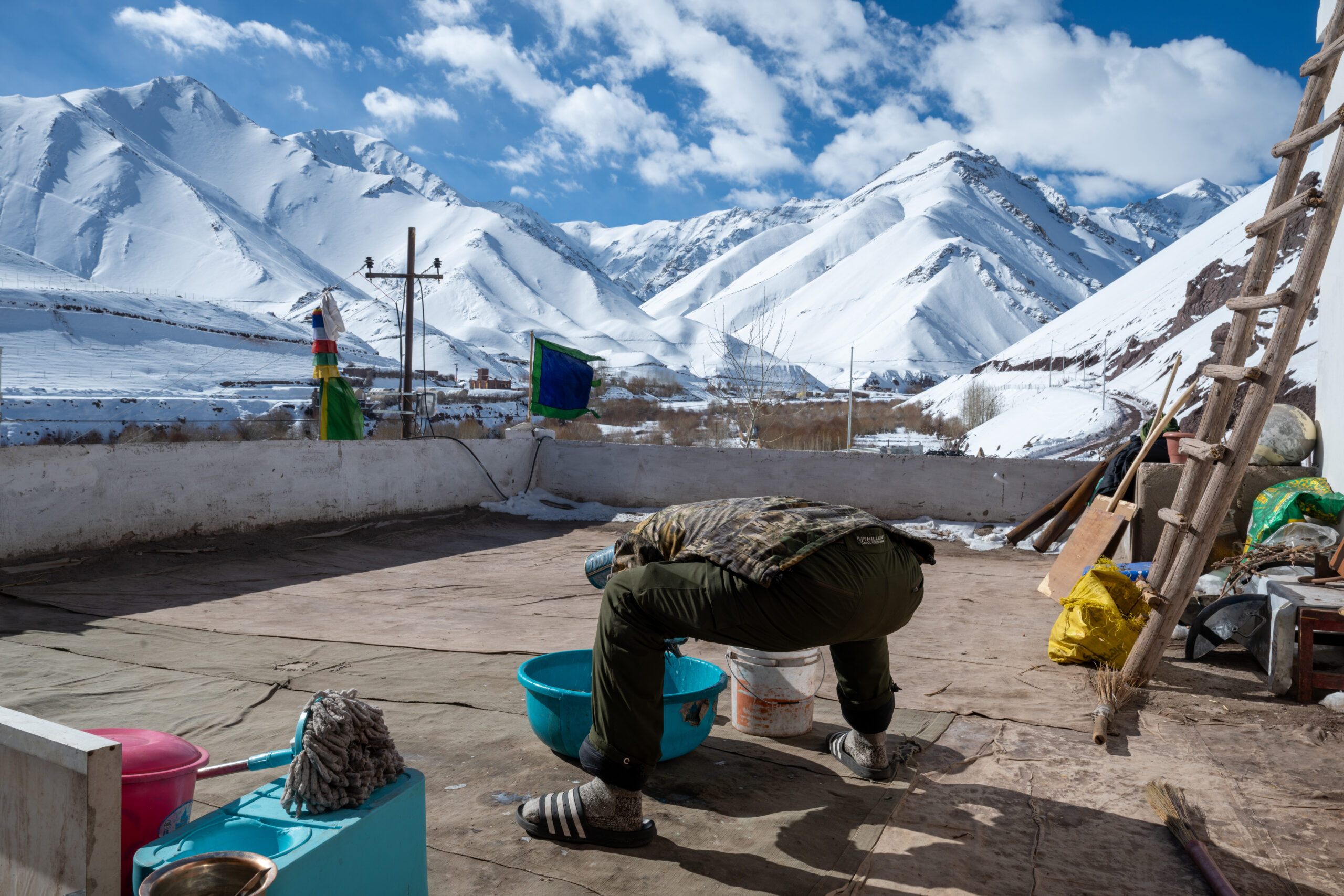
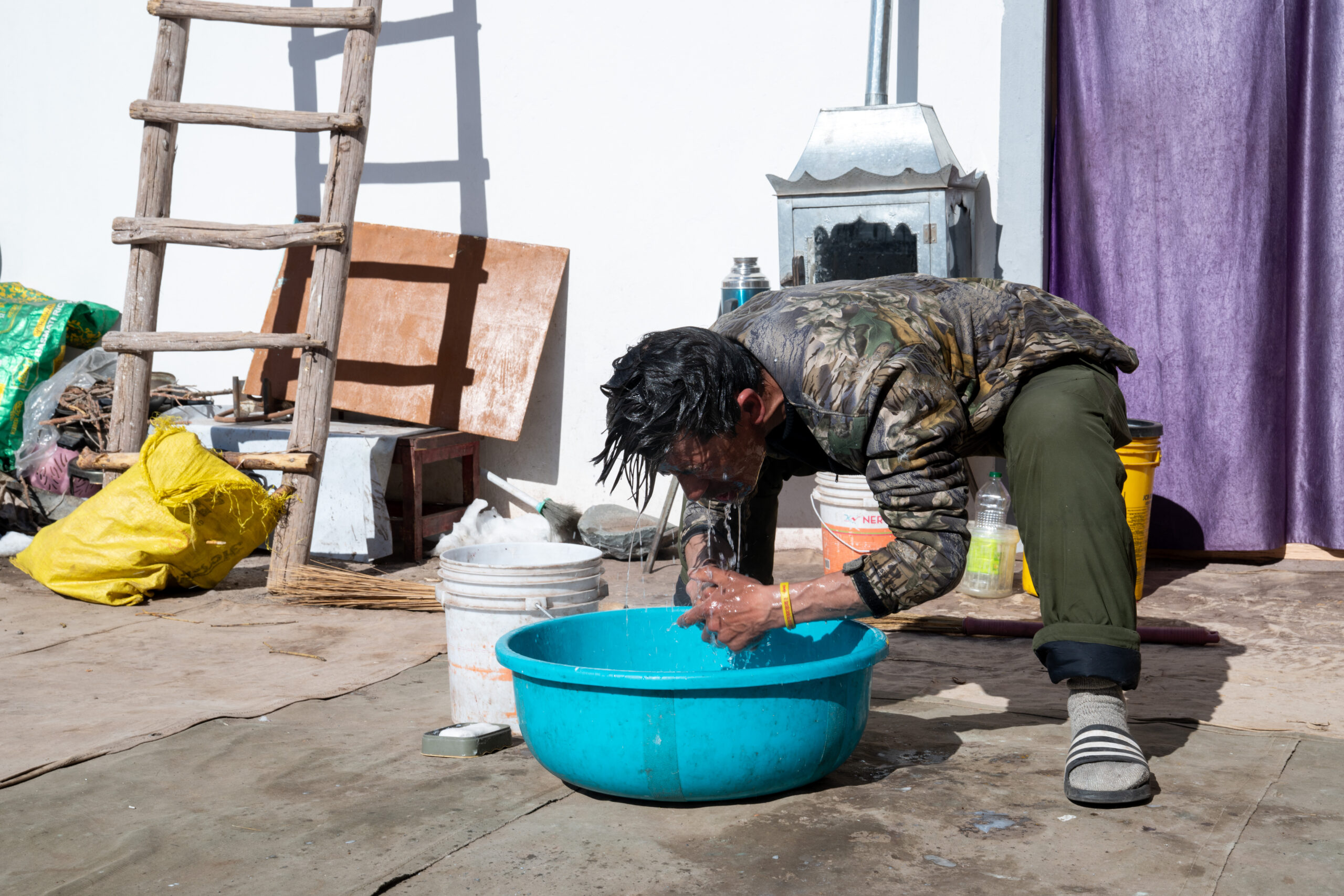
Some groups set up tents in the villages, and I’m so glad that my travel agent, Chamba, got me a homestay instead. It was super nice, with good food and very rewarding to experience. There are cold rooms and no shower, but that’s how people live, and it pays more to the community and leaves a minimal impact. Nine days with that setup was never a problem.

Wildlife
Snow Leopard
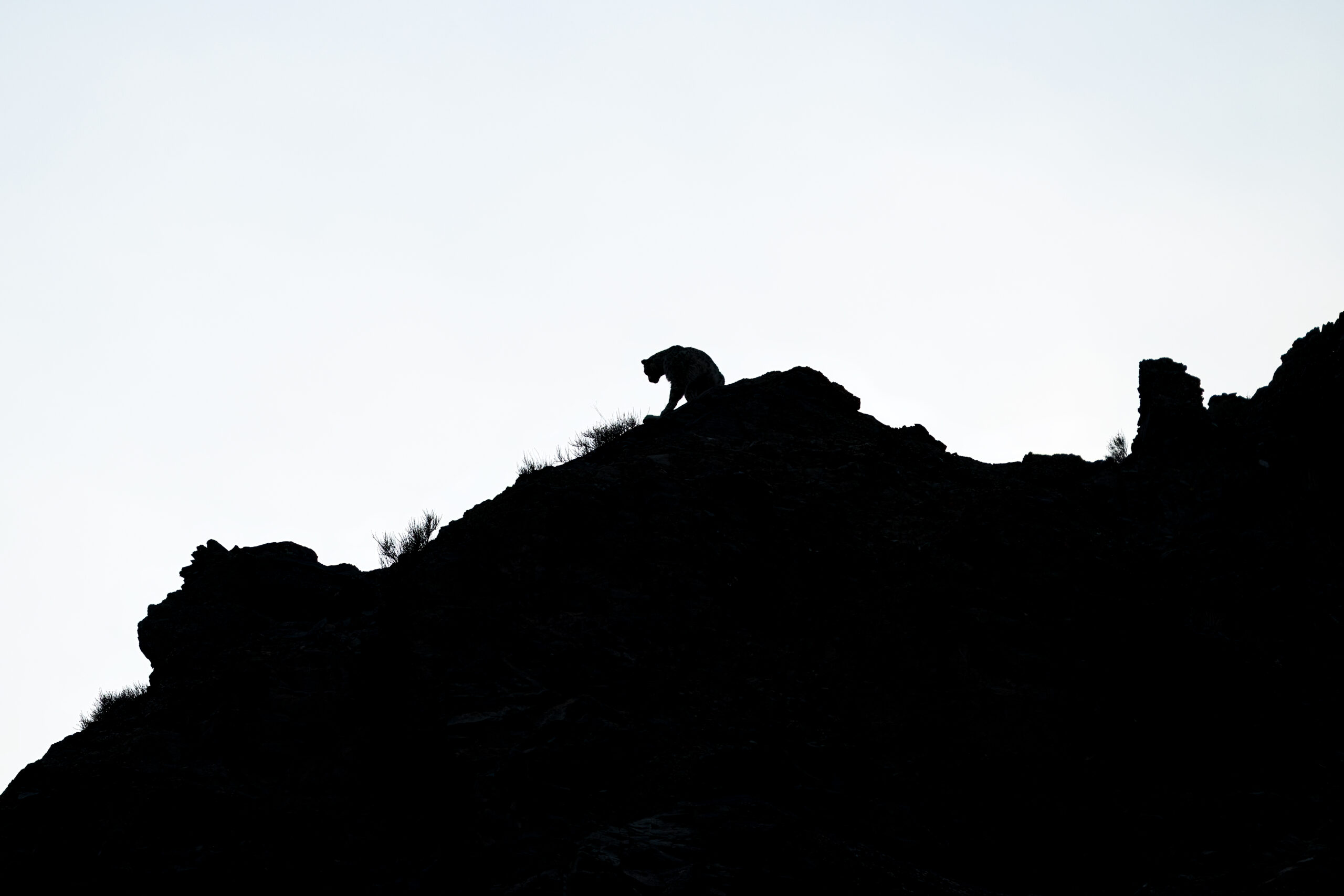
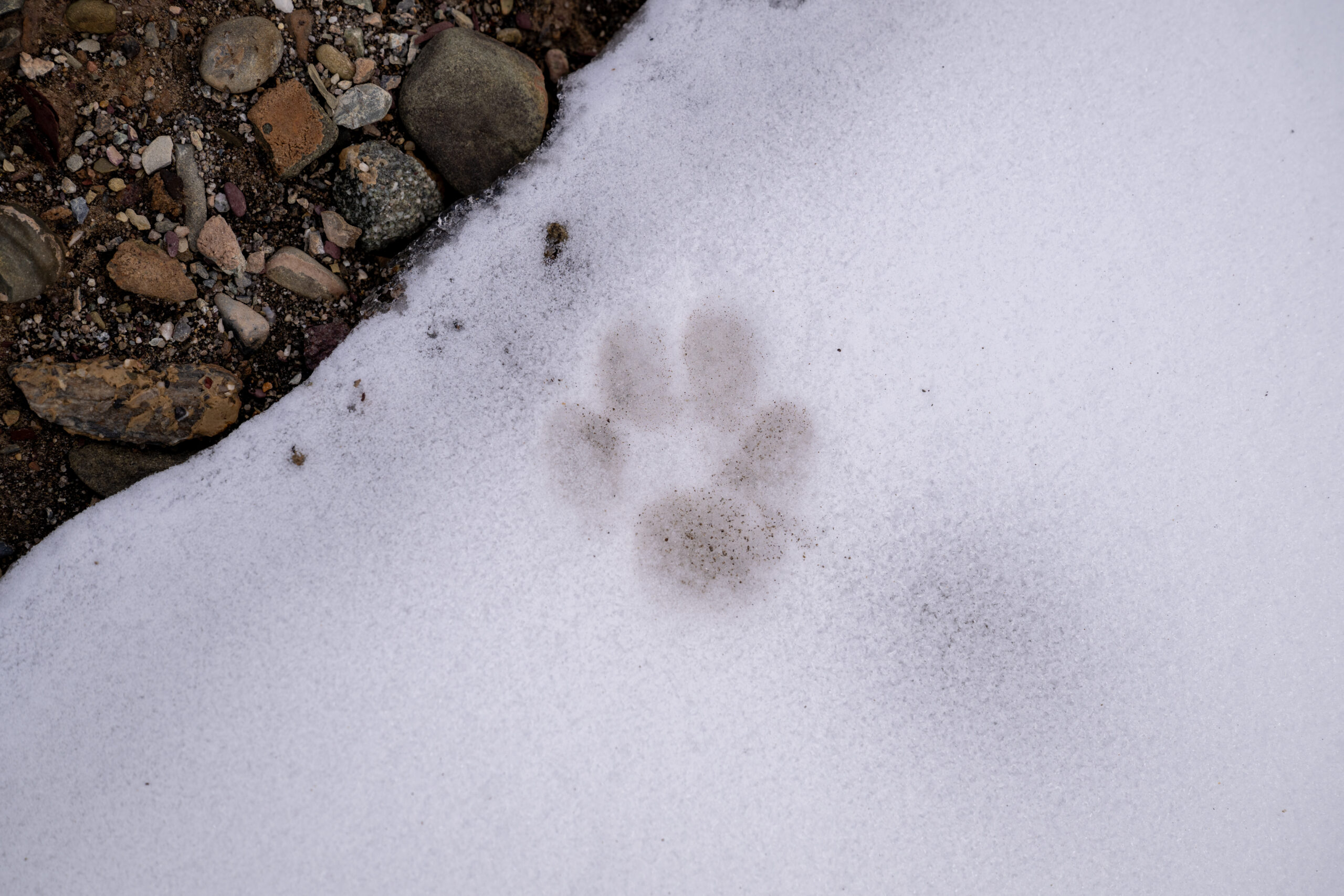
The snow leopard was the main objective to see and photograph, and it worked well. In terms of sighting, you never know. Some days it may snow too hard, on others it may be a bit too cloudy along the mountains, and then there may be crystal clear views. In twelve days, of which four were in Leh, I got to see a snow leopard five of those days. My excellent guide, Konchok, found them several days, and we had many days to see different individuals. Unfortunately the distance was usually way too far away, and even at its closest a bit too far for a perfect photo, approximately 300 meters away, but with the monocular I could see them clearly. Often just relaxing, sometimes walking along cliffs. One evening I saw it hunting blue sheep down a snowy hill.




Lynx
An additional and very exciting mammal to see was the elusive lynx. There were two in the area, at a snow-covered pass called Wari La. They had been seen there for quite a while and my guide, Konchok, found them among the rocks and we had a full day looking at them! Superb sighting. For a long time they were just relaxing, but in the late afternoon they started moving, which gave me some exciting views. Unfortunately, as for the snow leopard, they were quite far away.


Other Wildlife
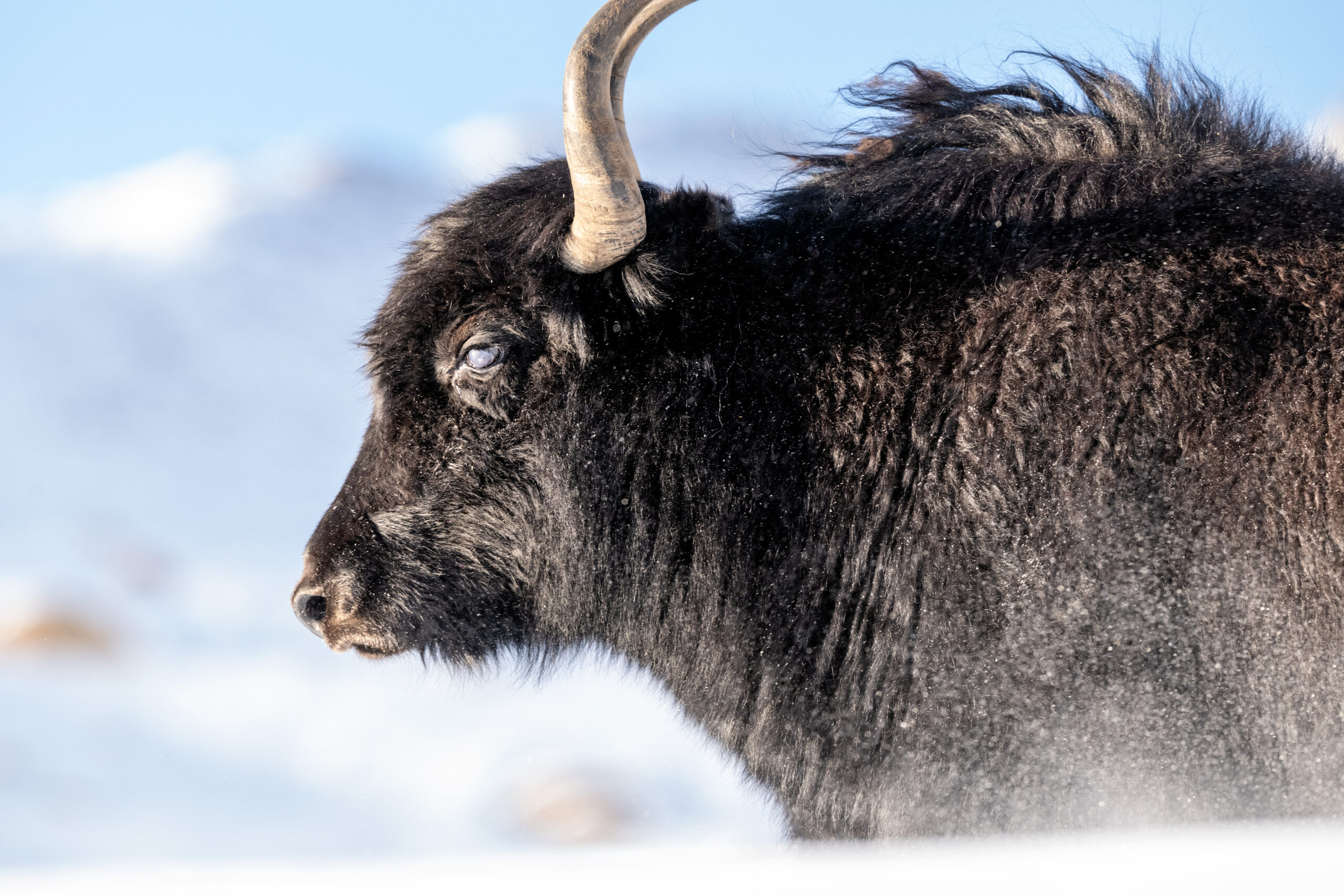
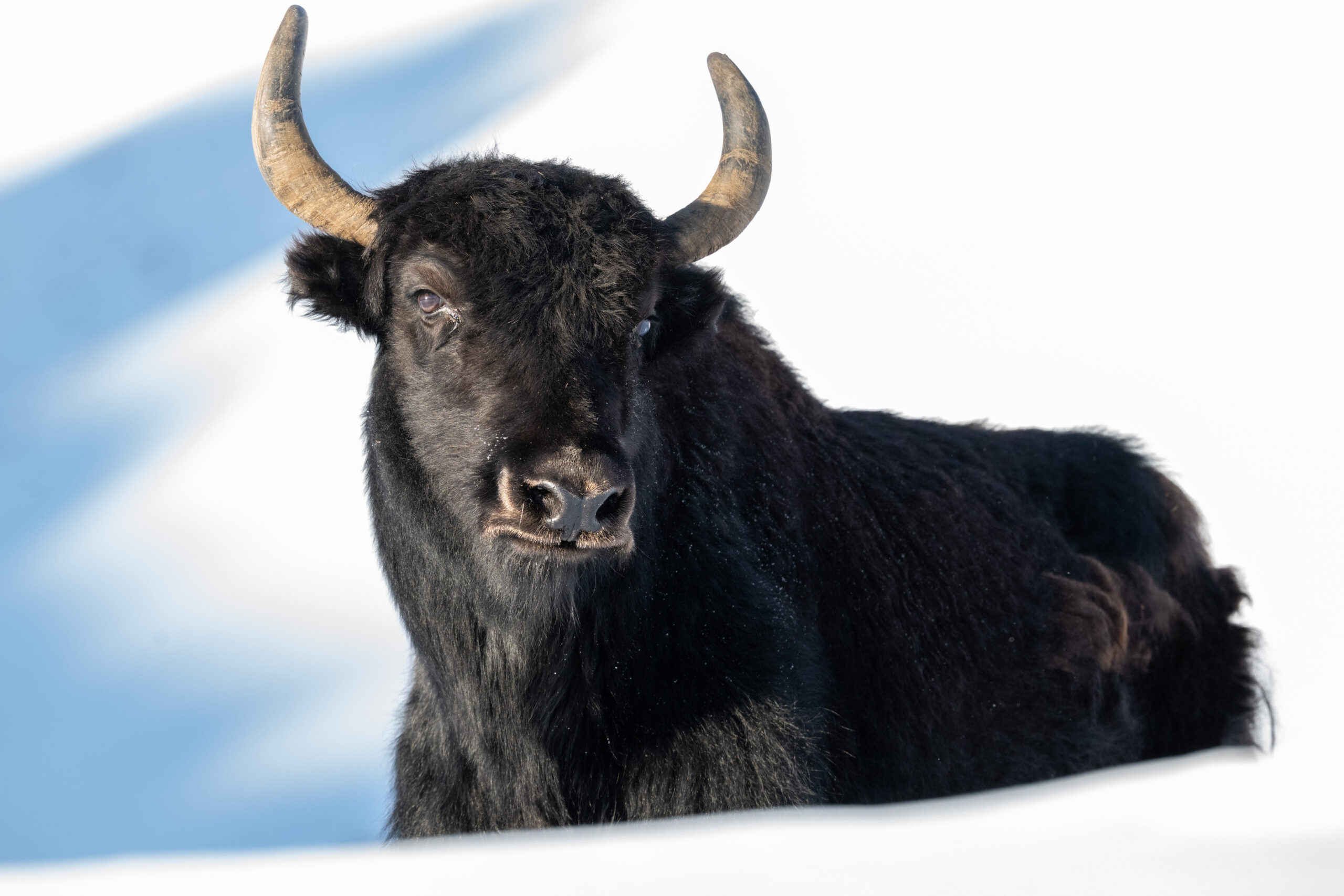
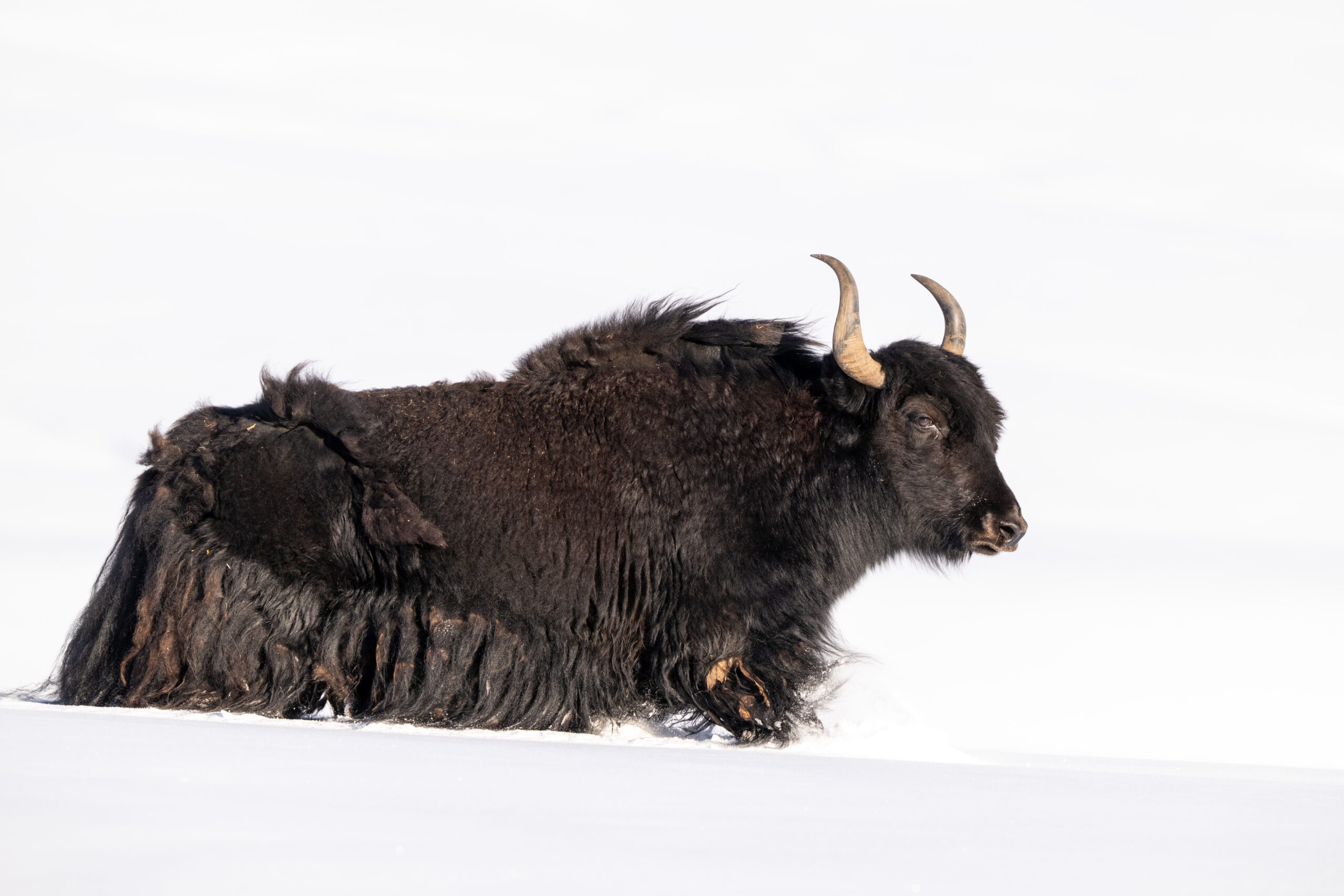
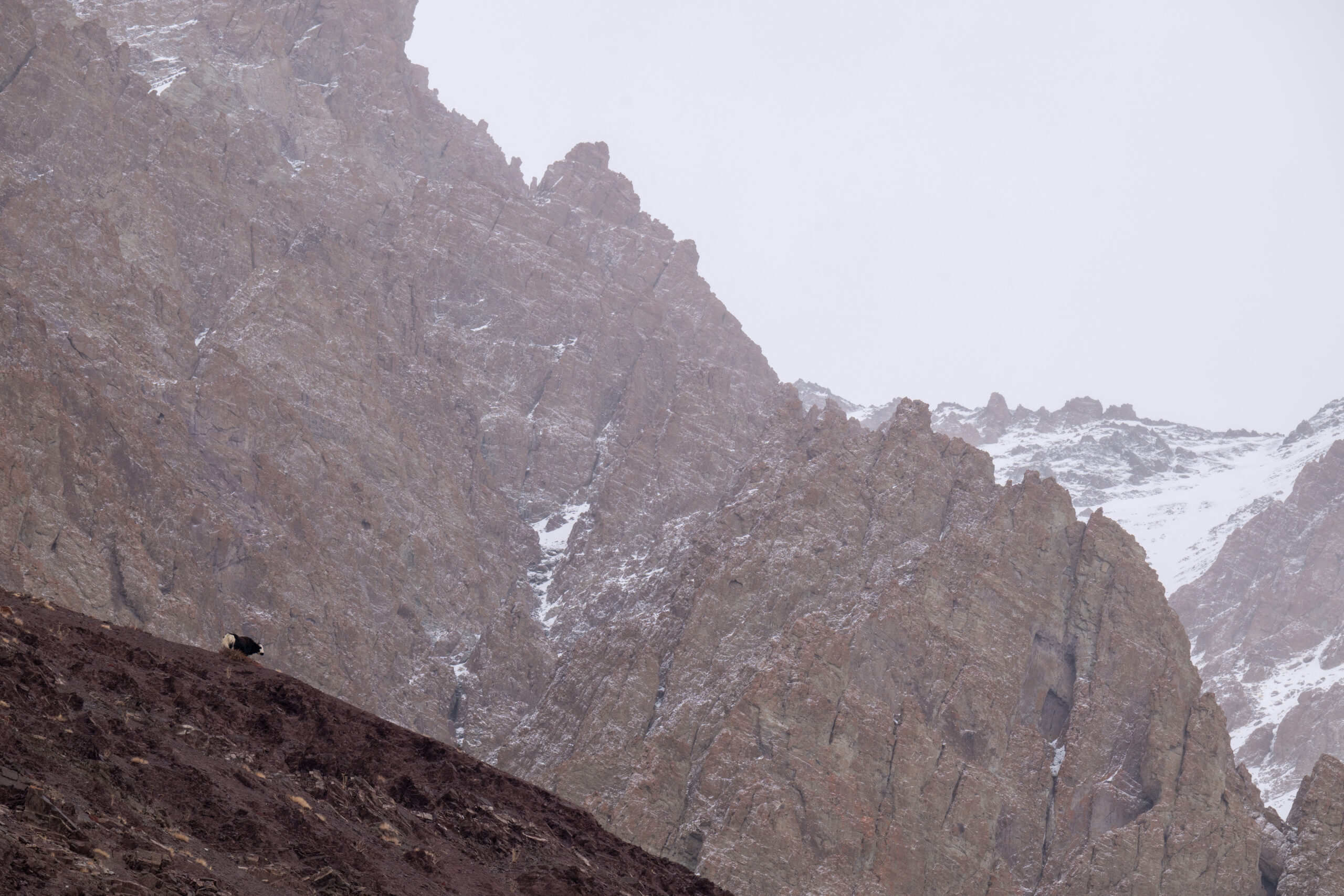
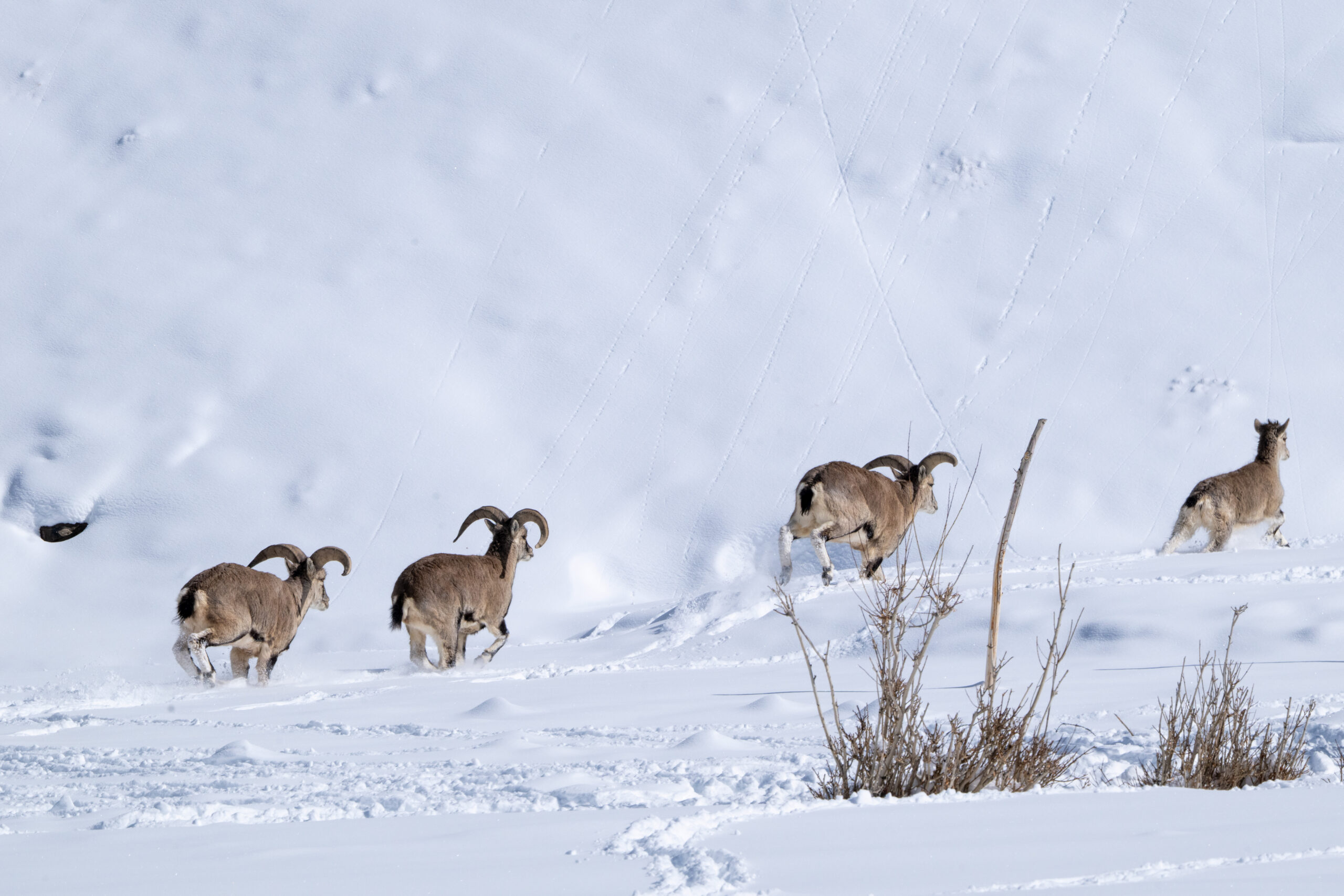
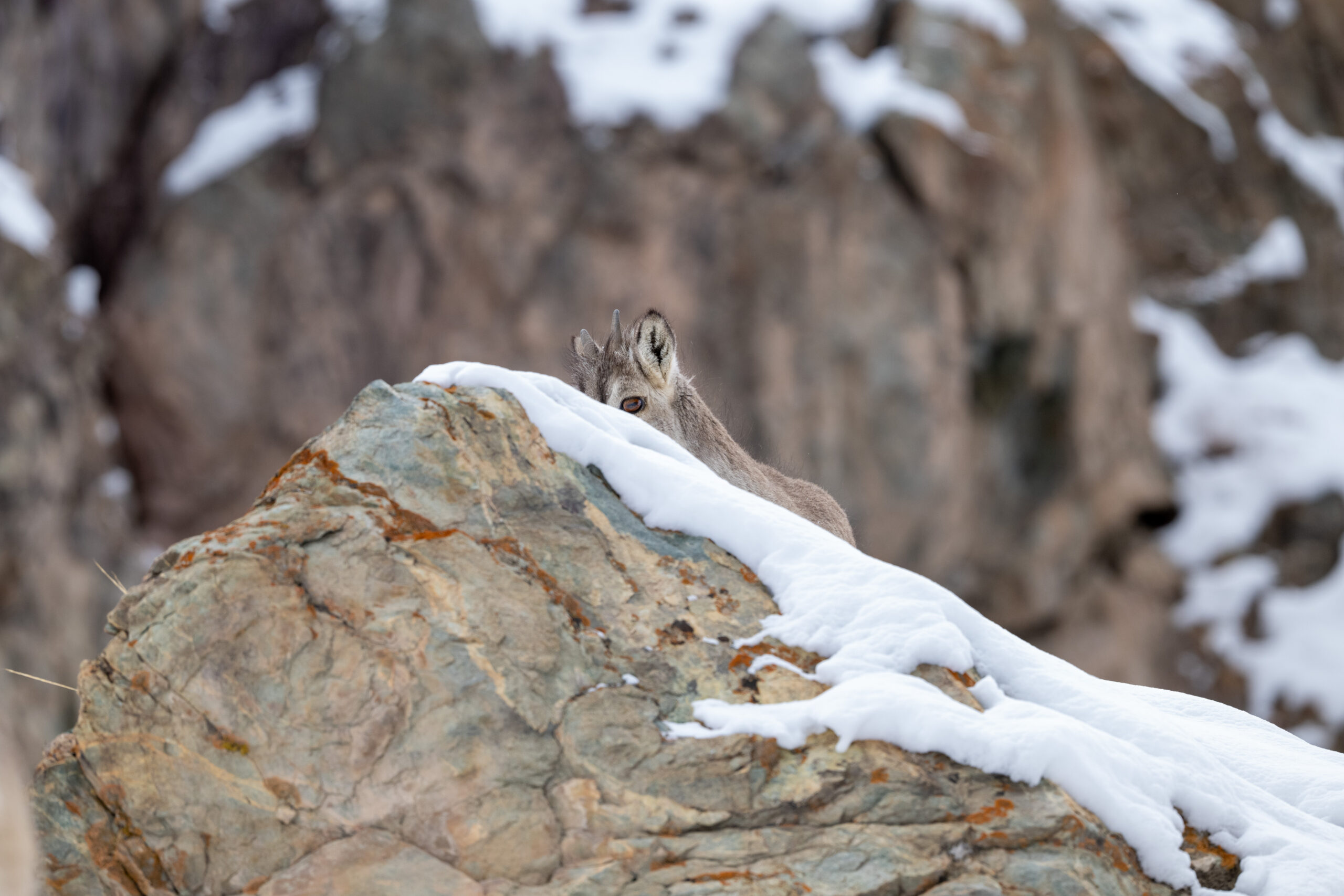
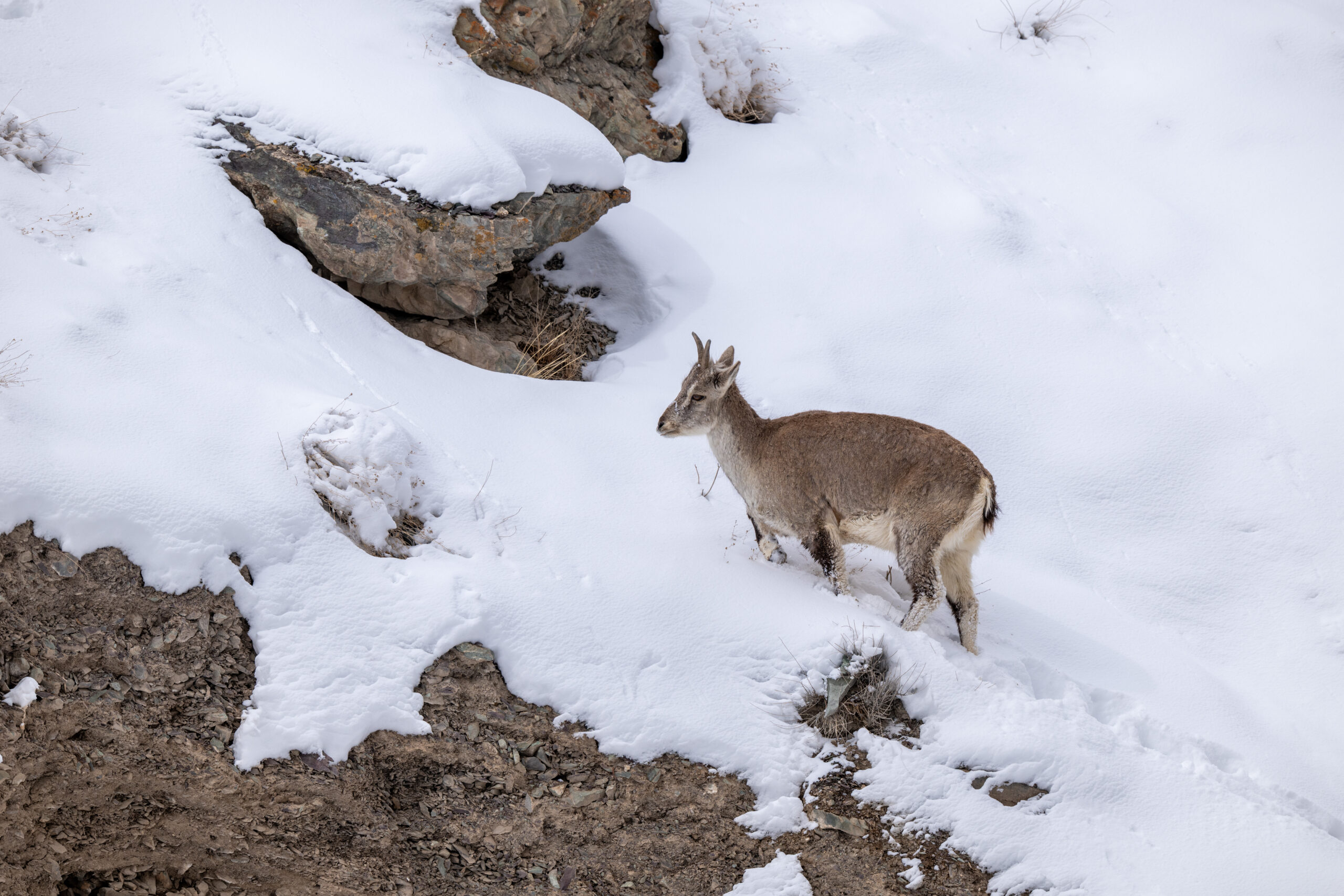
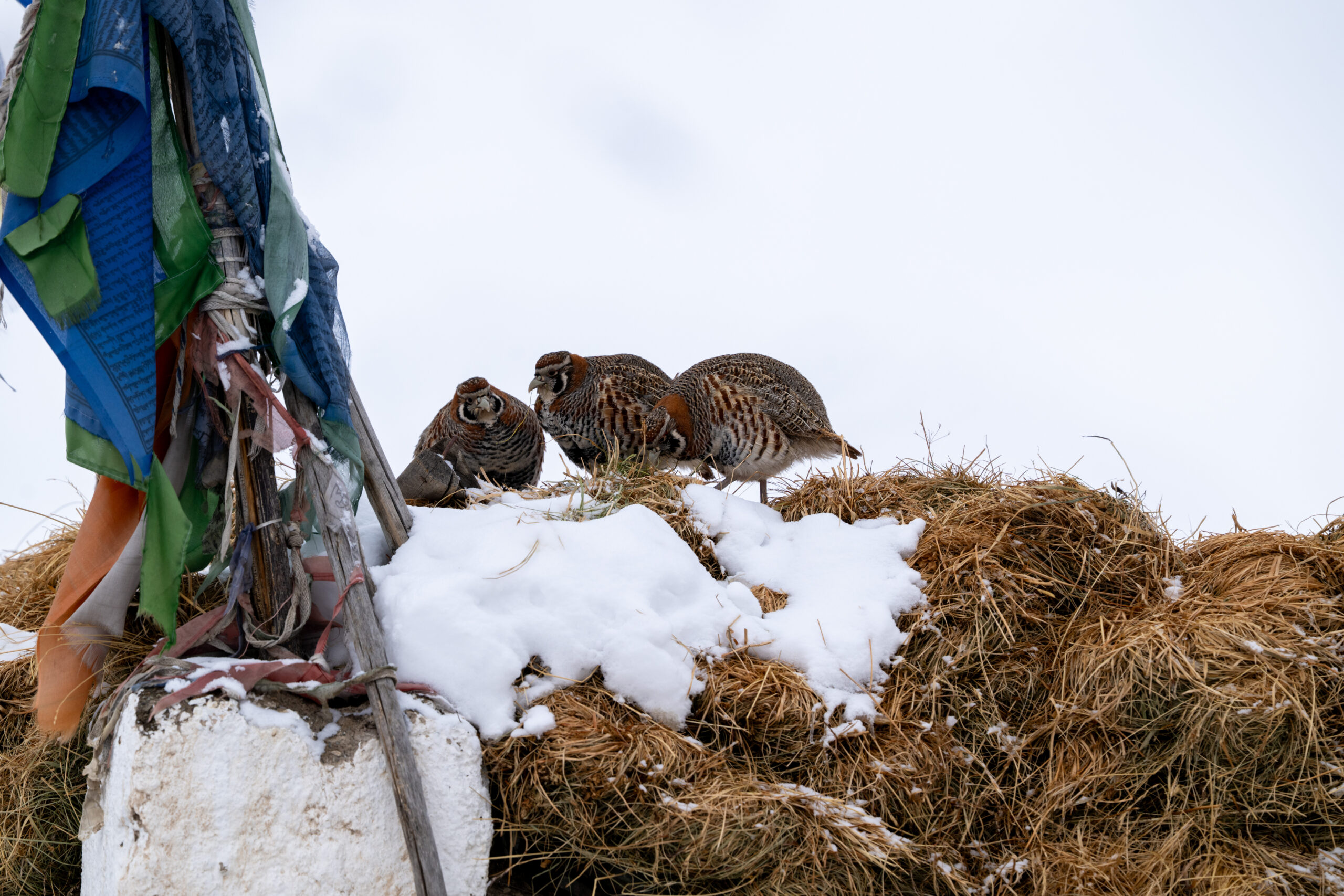
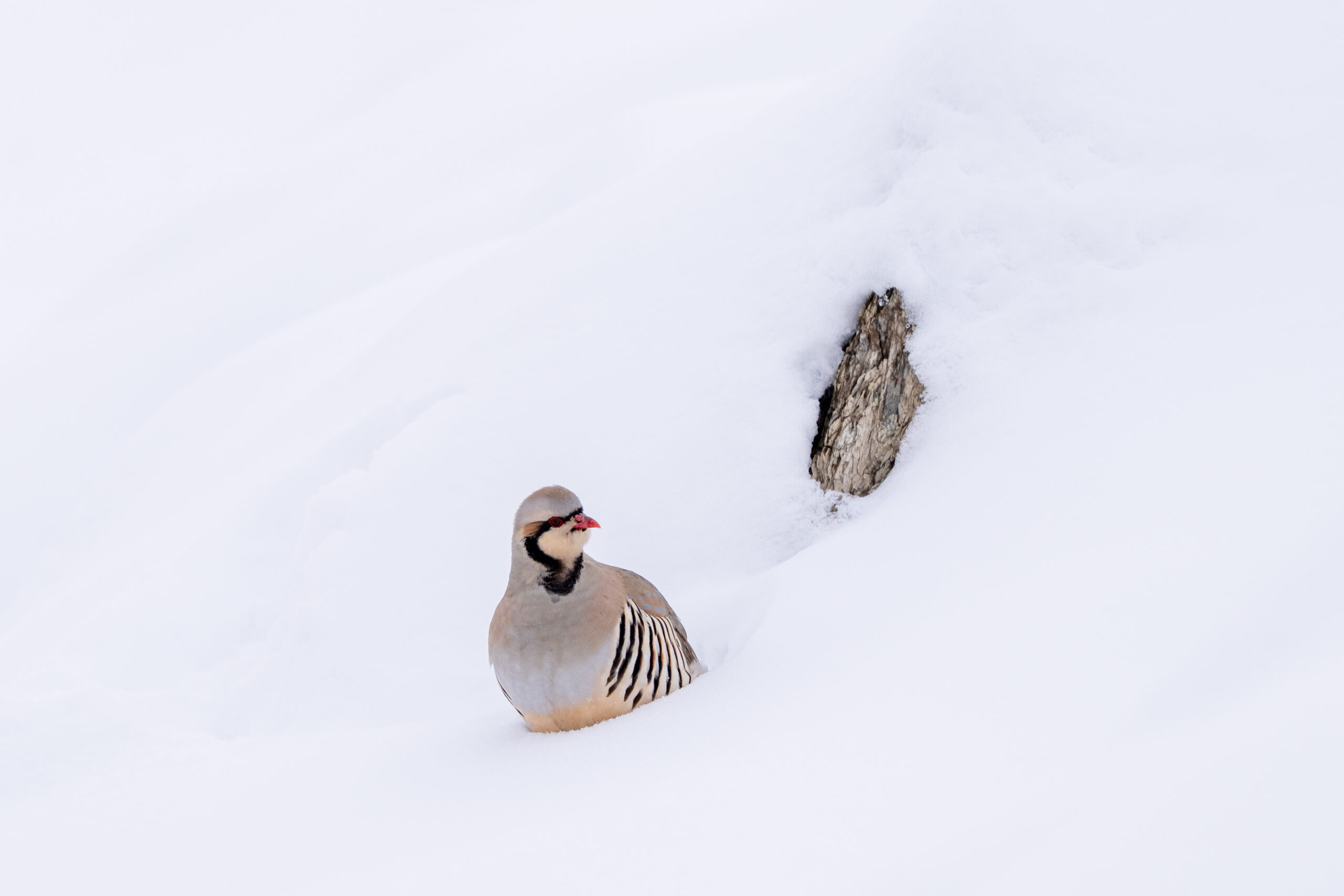
One really exciting species is the wolf, and I wish we had come closer when we saw them wandering beautifully through the snow on the mountain cliffs, but they were very far away, so I got no pictures. Nevertheless,a n awesome sight. Then there were domestic yaks roaming around, and the wild blue sheep, and different kinds of partridges and other birds enduring the winter.
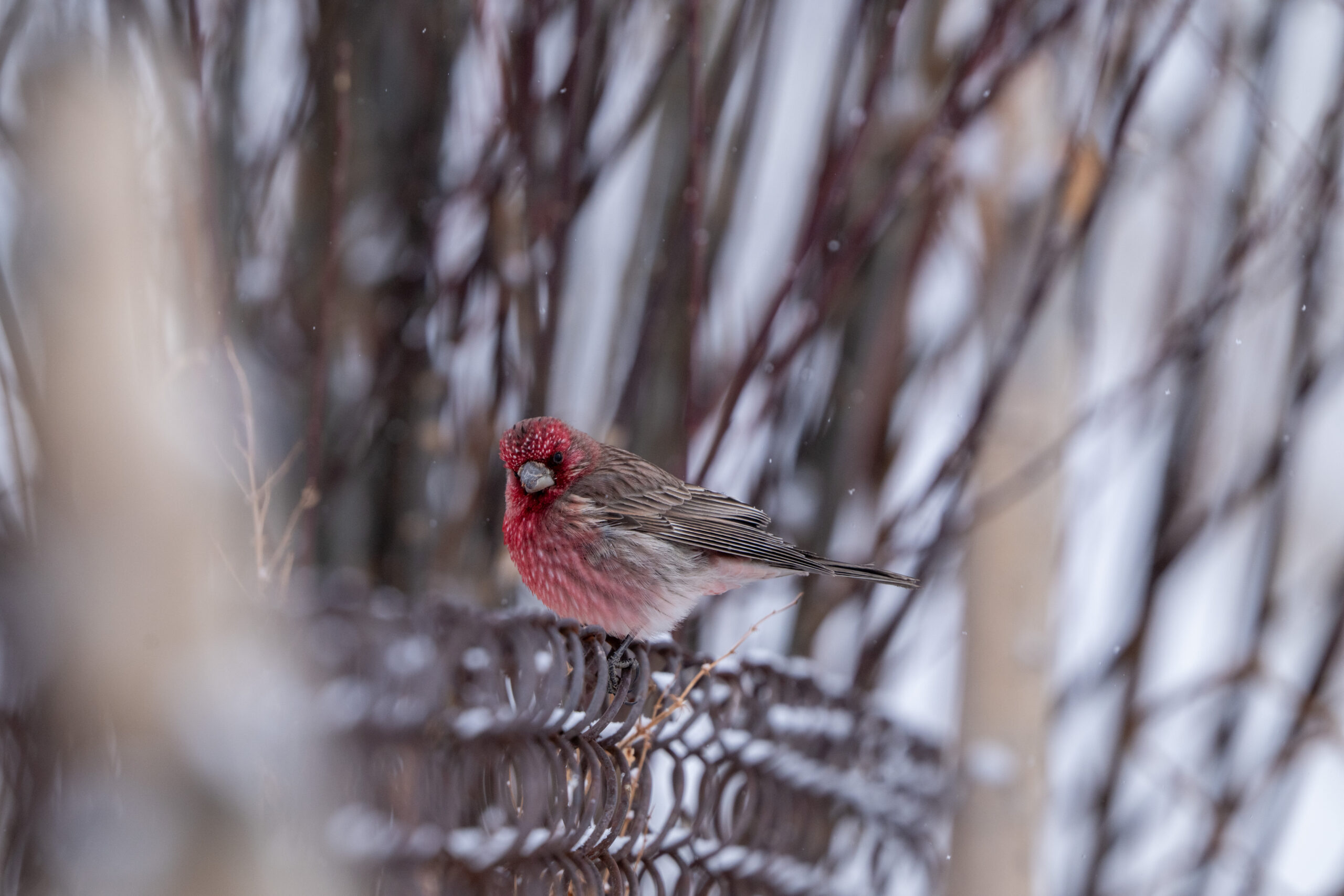
The Guide – Konchok
Spotting a snow leopard is extremely difficult, and I got all support I needed from Konchok, a master at finding wildlife, incredibly experienced and super enthusiastic. We spent hours with snow leopards, wolves, and lynx, and he loves watching them and is great to hang out with. He also had a superb Swarovski monocular to show me the animals, sharp and clear, a necessity as they are often far away.


Spotters in Ladakh support each other, and it helped well that Konchok was very well known, so we were informed when things happened. We spent time together with others at a good viewpoint, which was really nice, talking to other guides, photographers, and nature-interested people while having some chai and cookies and hoping to see something really rare. We also made our own findings of snow leopards though. It was a nice mix.


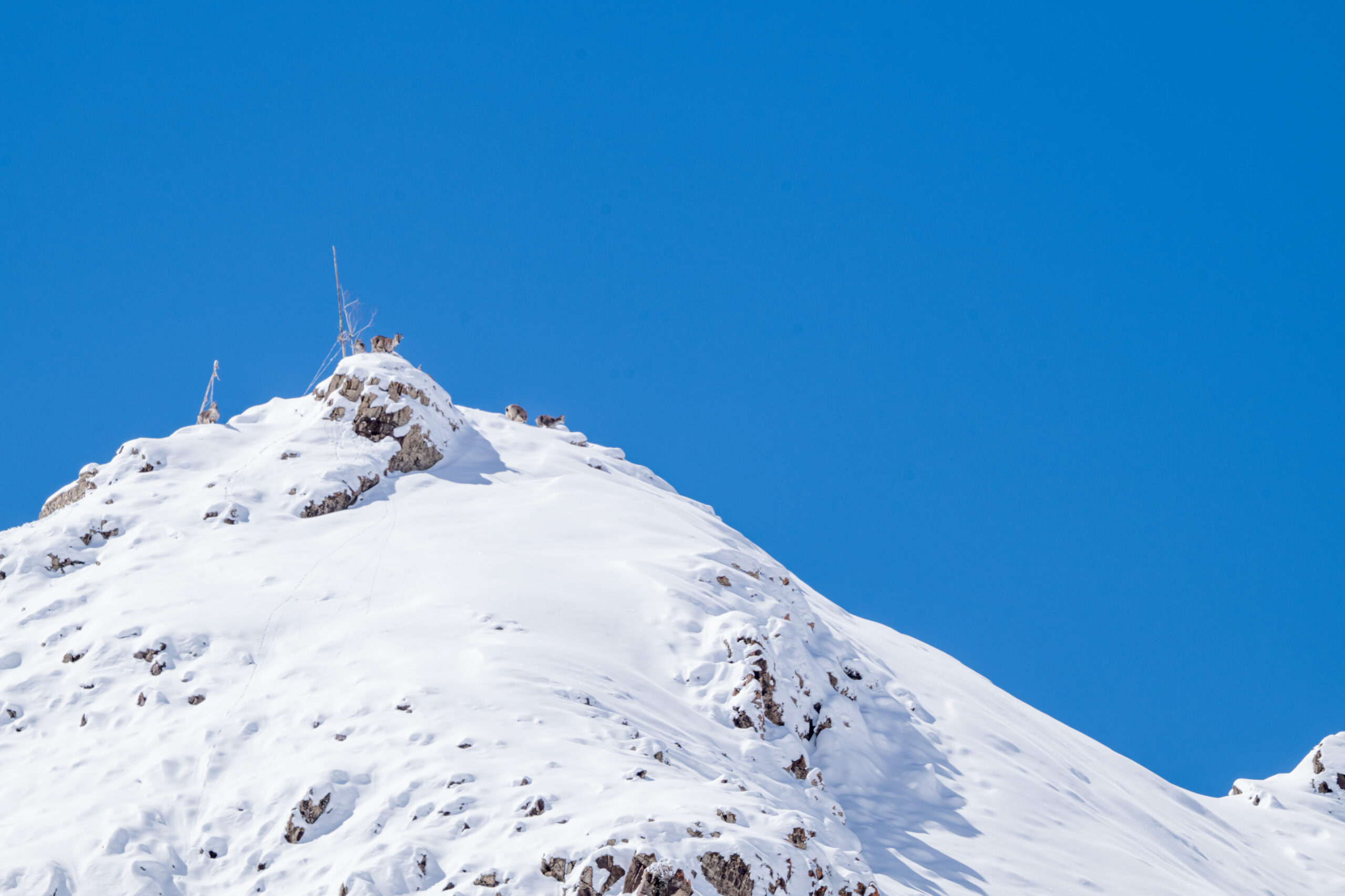
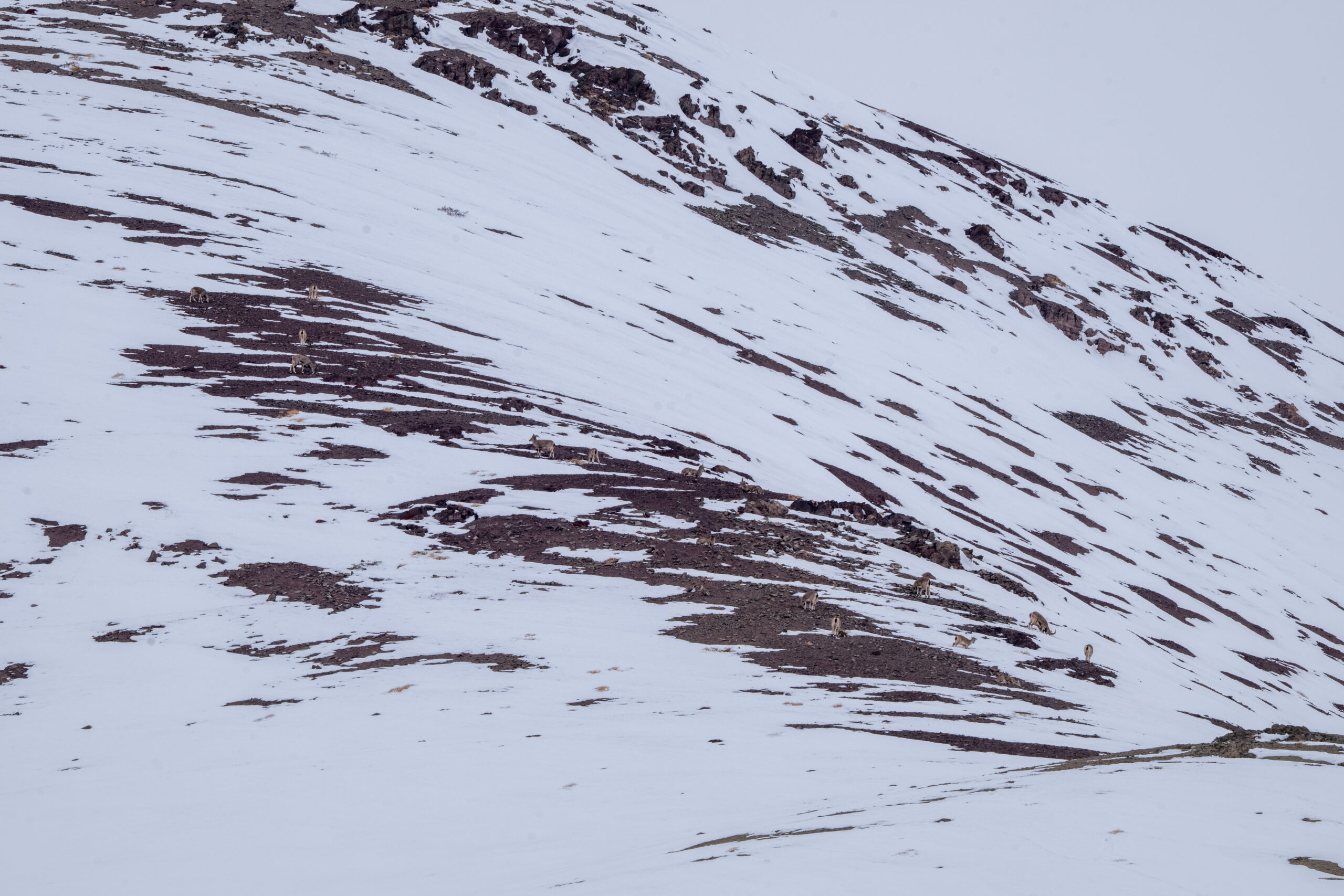
These two photos with a snow-covered slope depict a small portion of the landscape, with a clearly visible snow leopard. Even when I’ve zoomed in at it, it is so difficult to find!


Leh
The flight from Delhi to Leh is spectacular, crossing snow-covered Himalayan peaks to a cold desert valley.
This is where I acclimatized. The first days it was exhausting to walk and the nights were quite sleepless as the heart pounded a bit too fast, but it is a wonderful town in an awe-inspiring mountain landscape. I had a city guide, and I thoroughly enjoyed it.
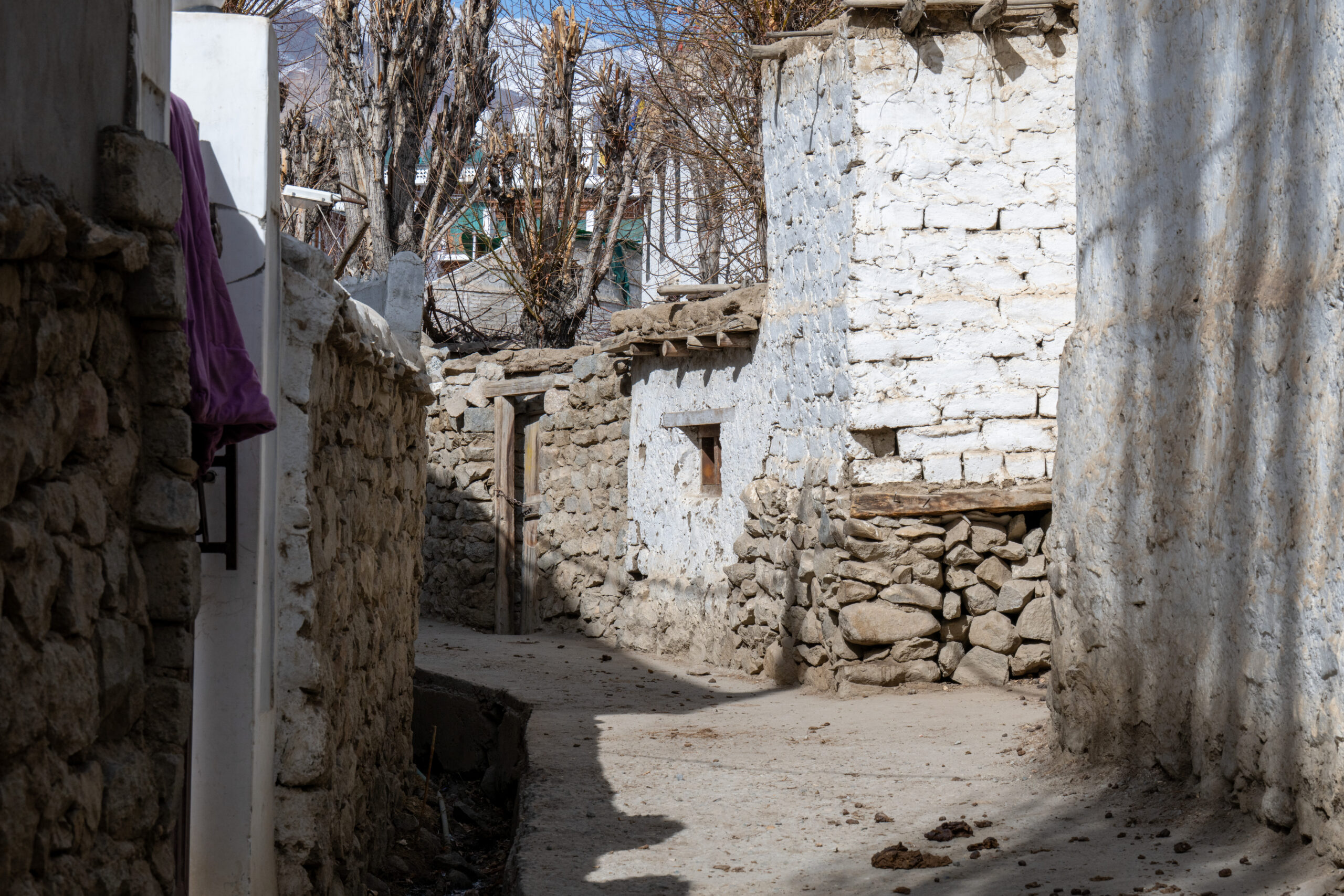


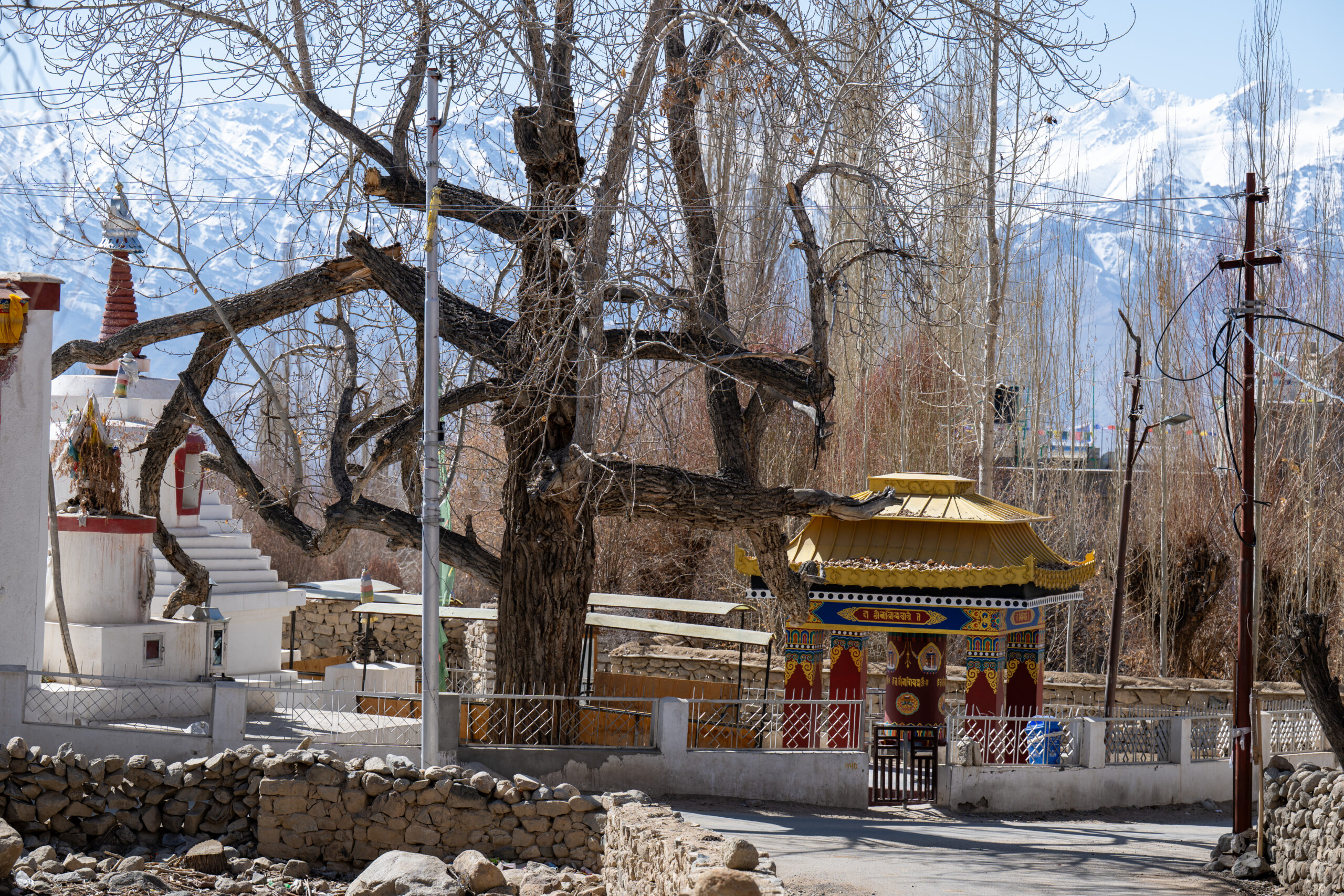
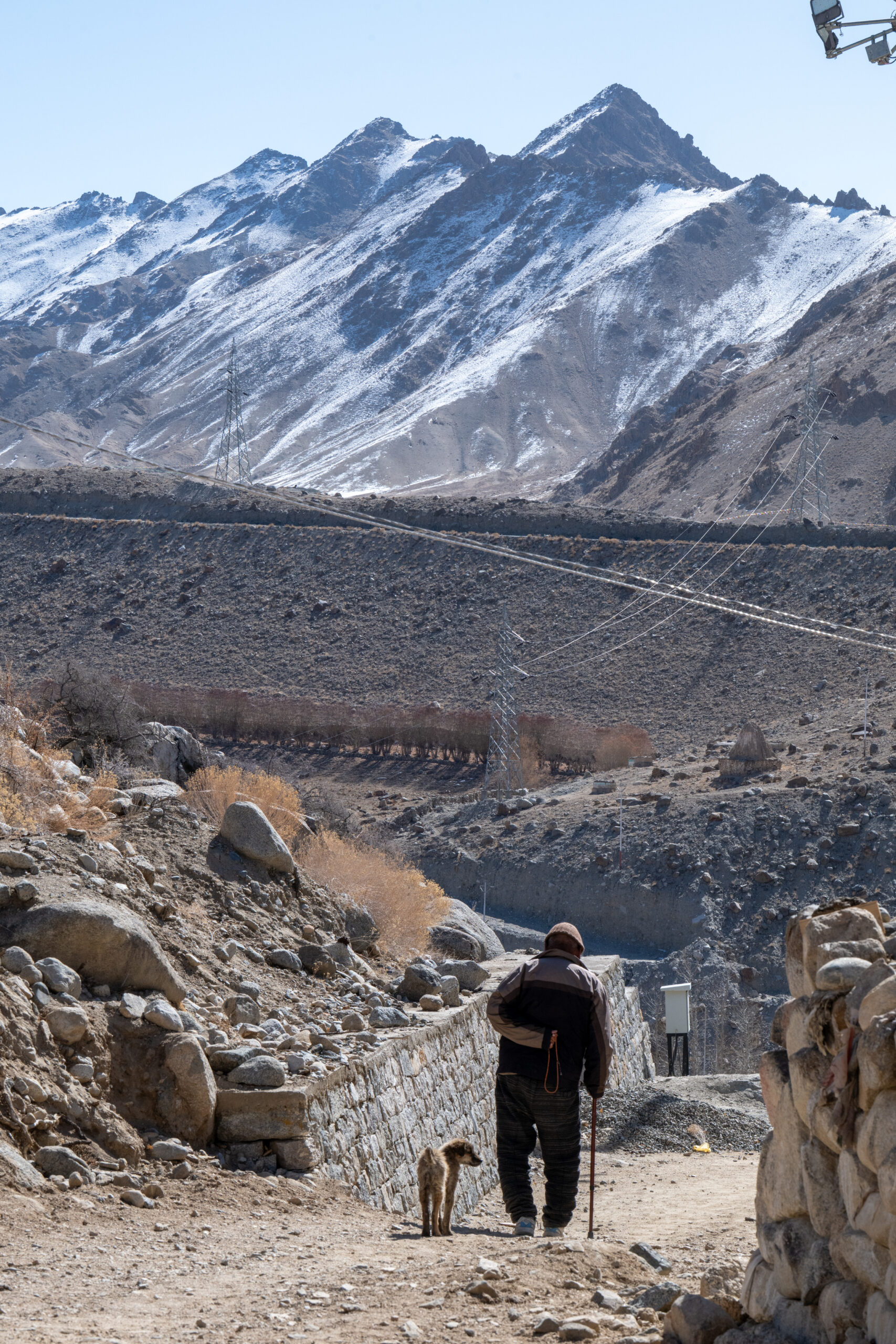
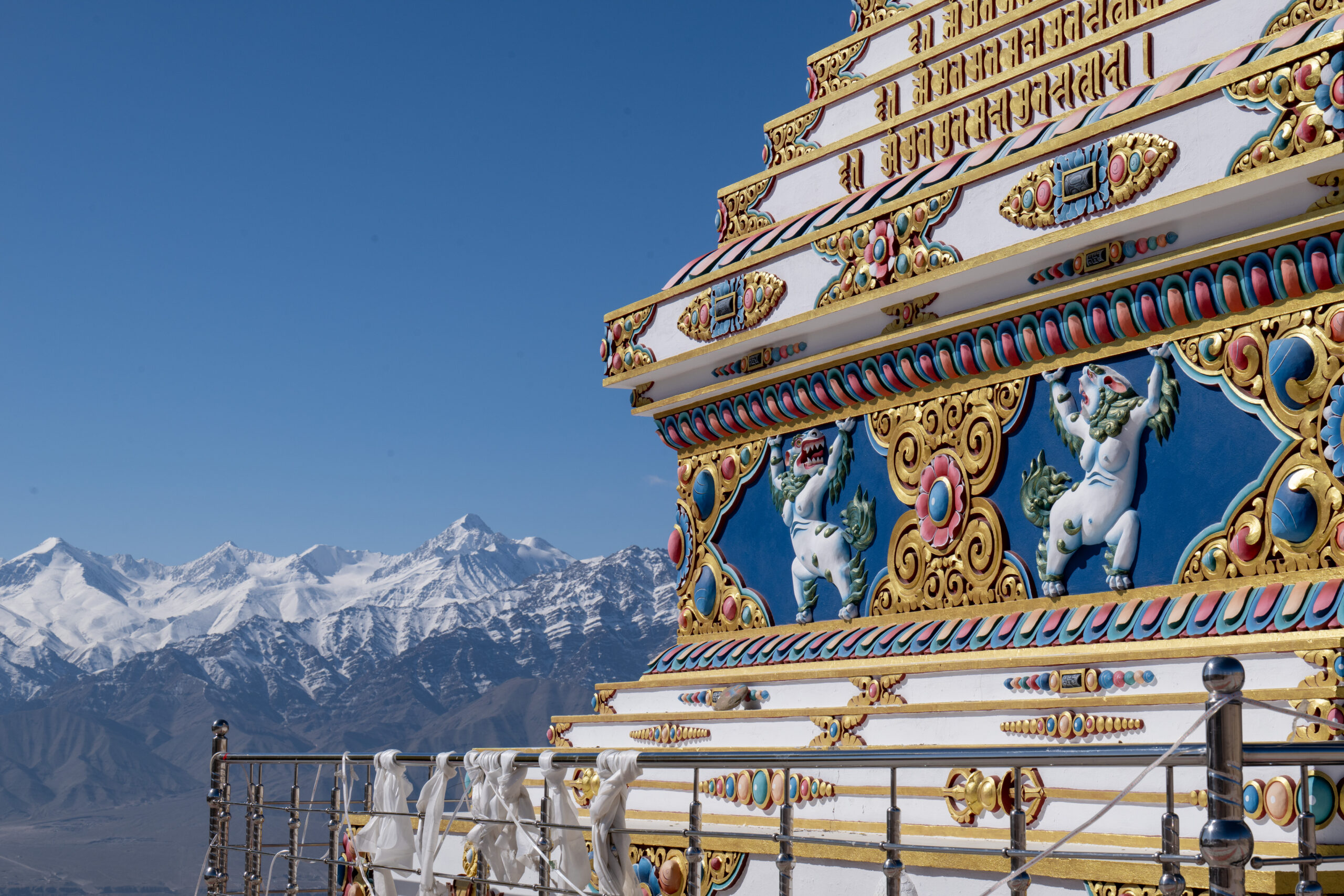
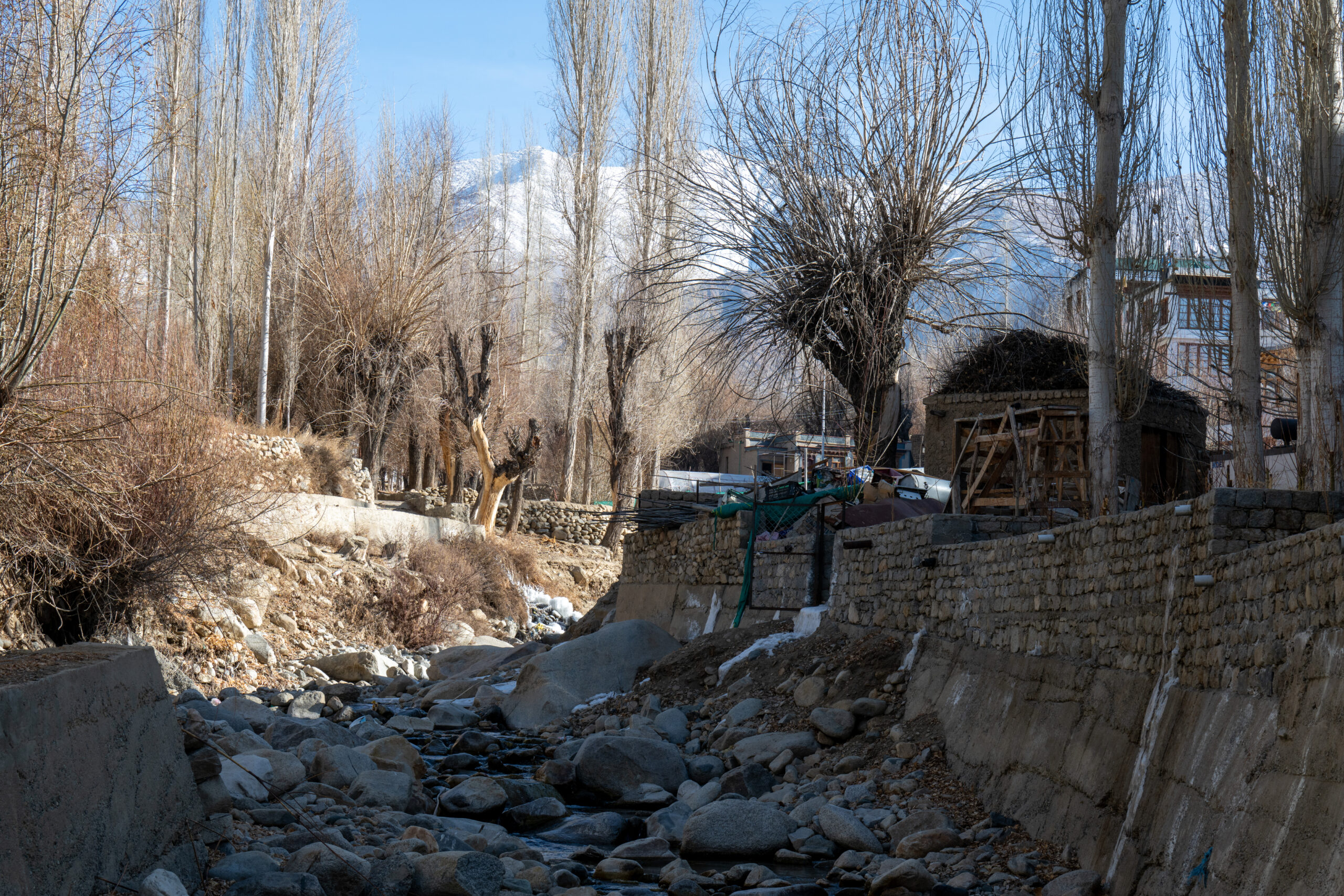


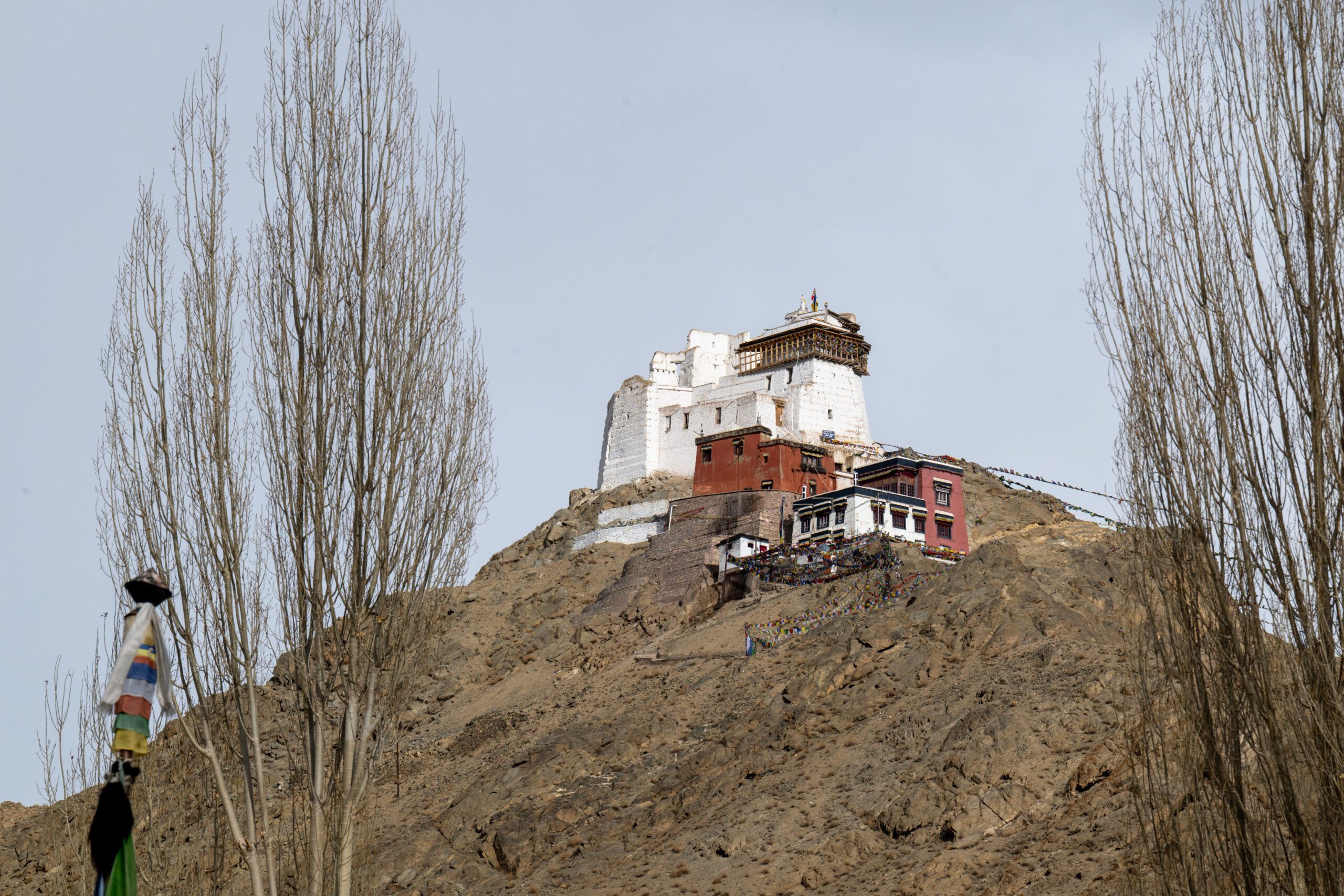
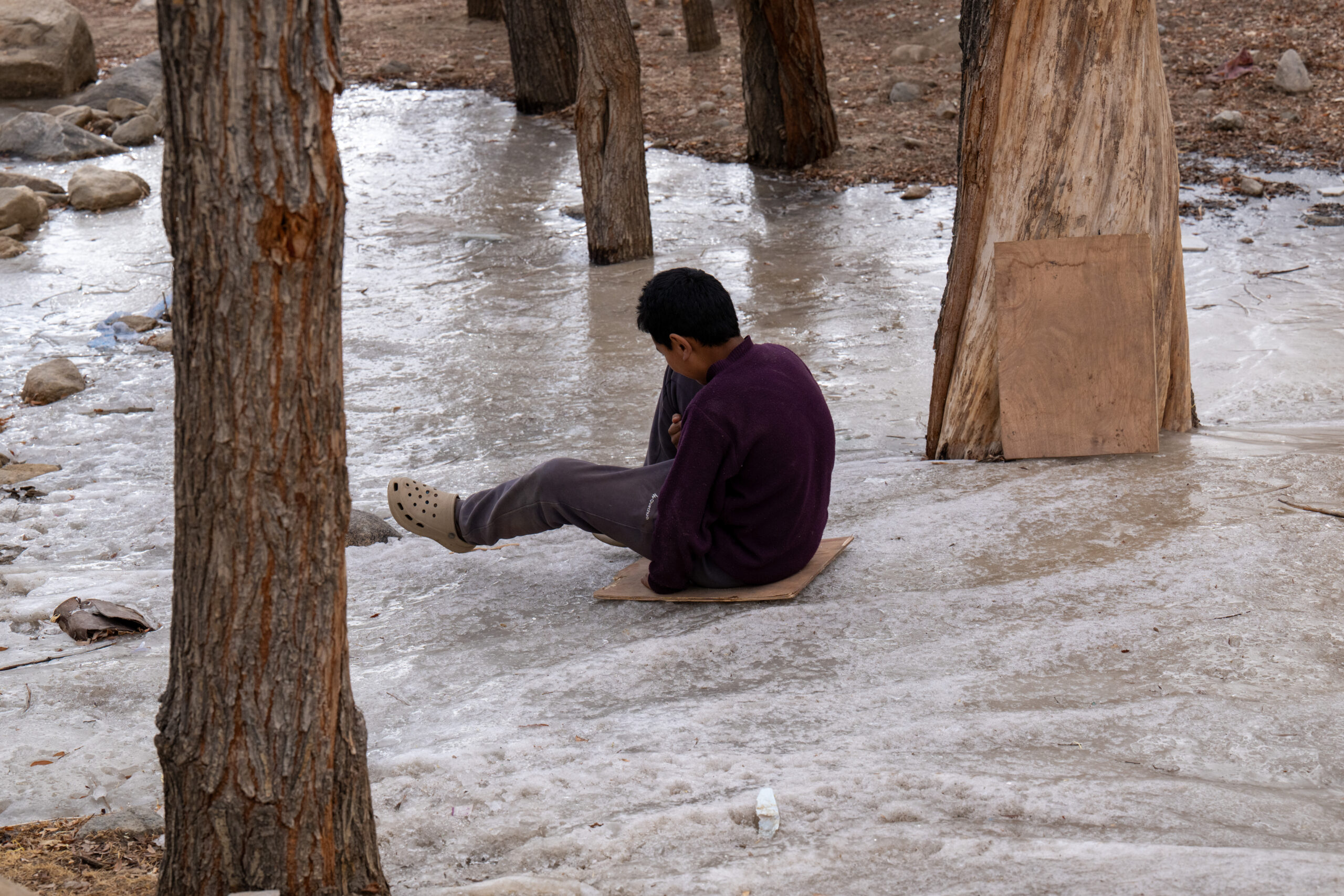
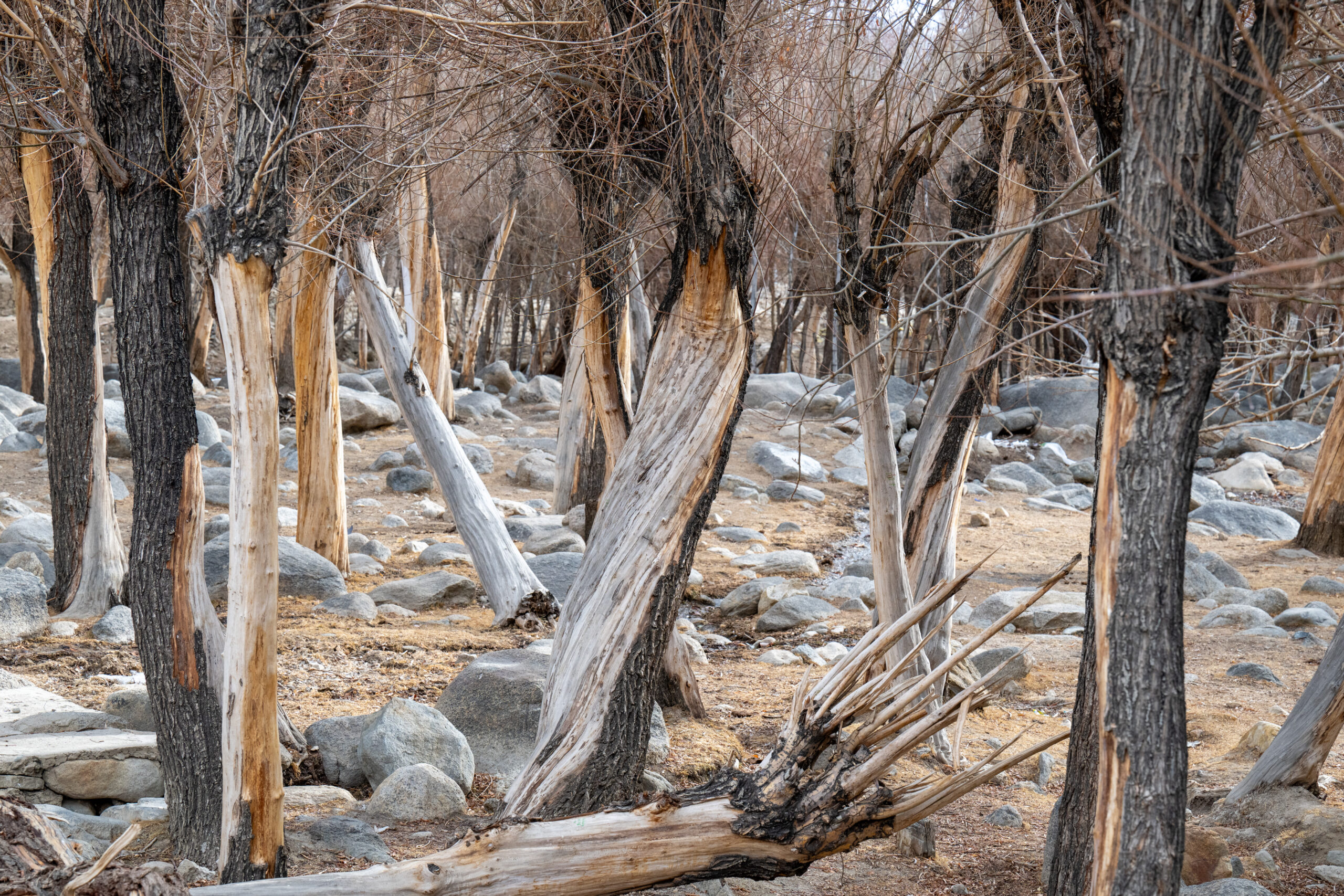
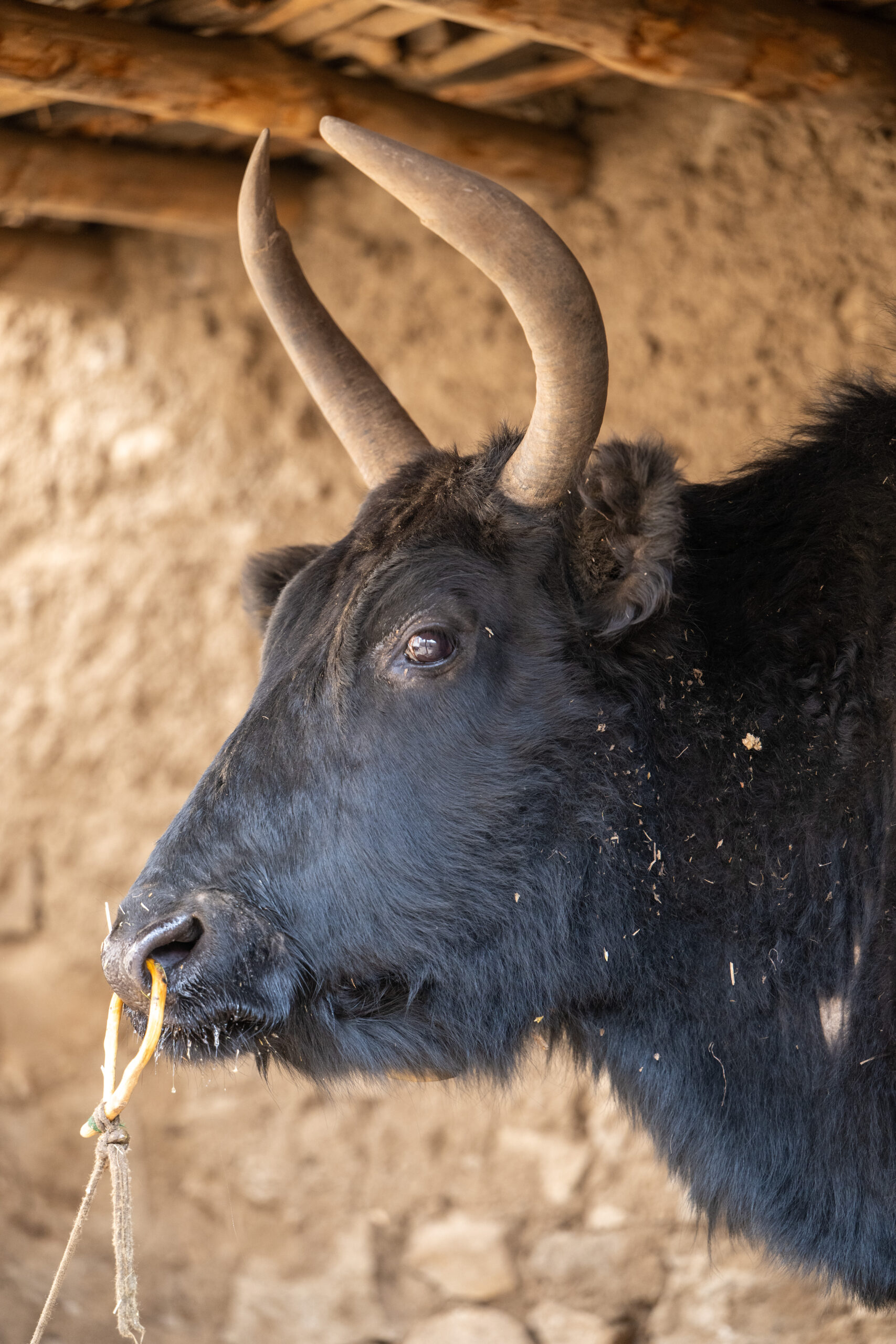
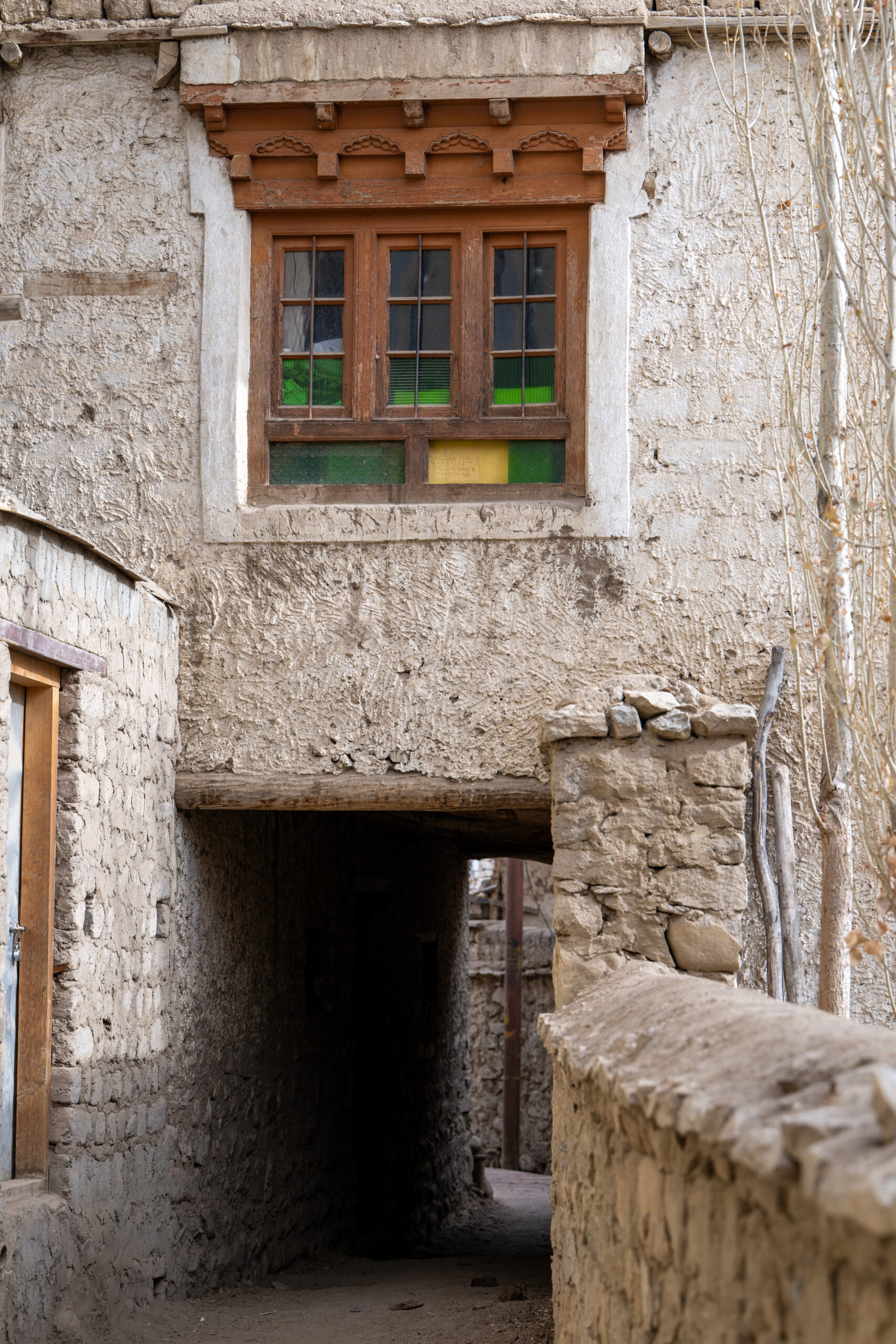
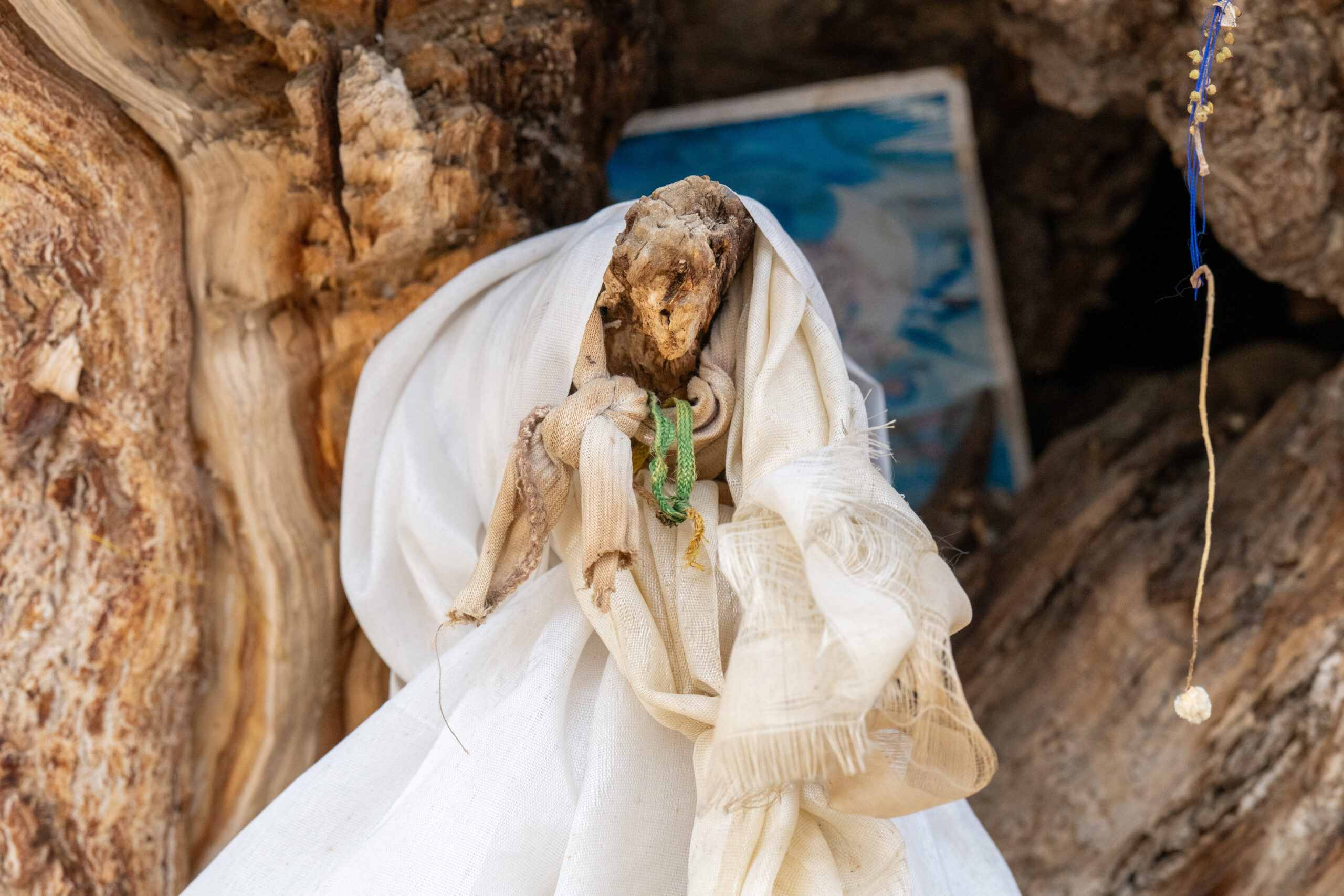

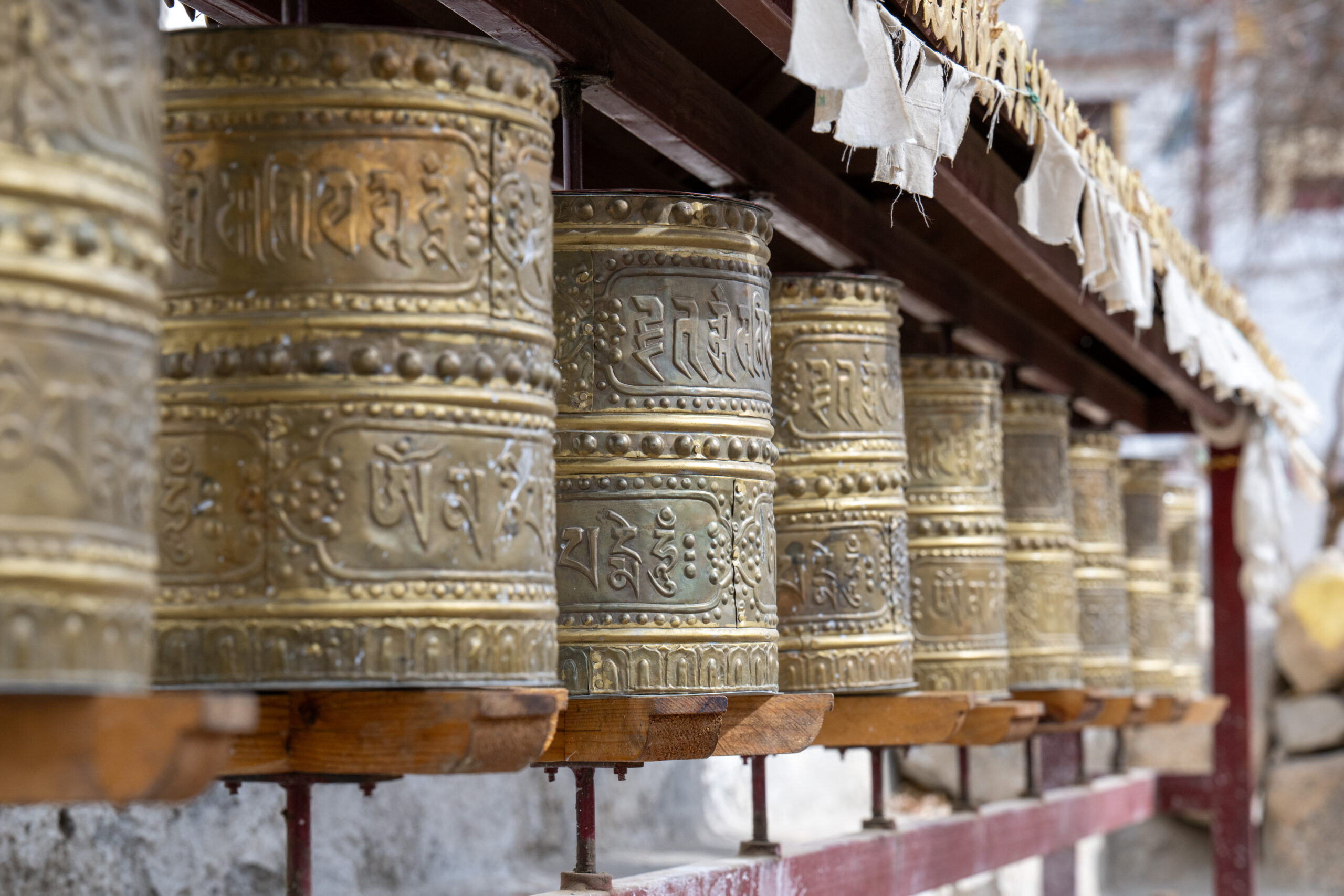
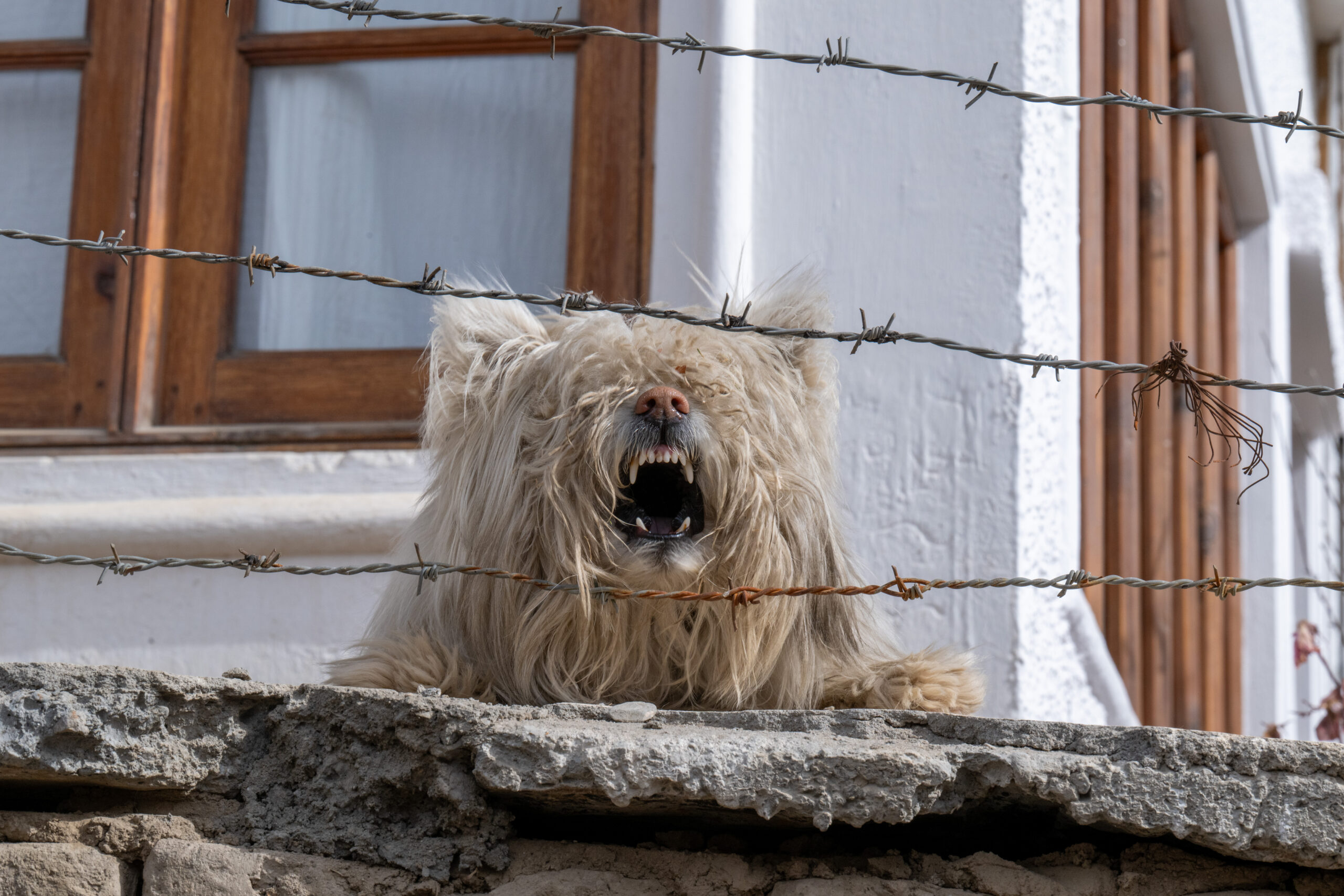

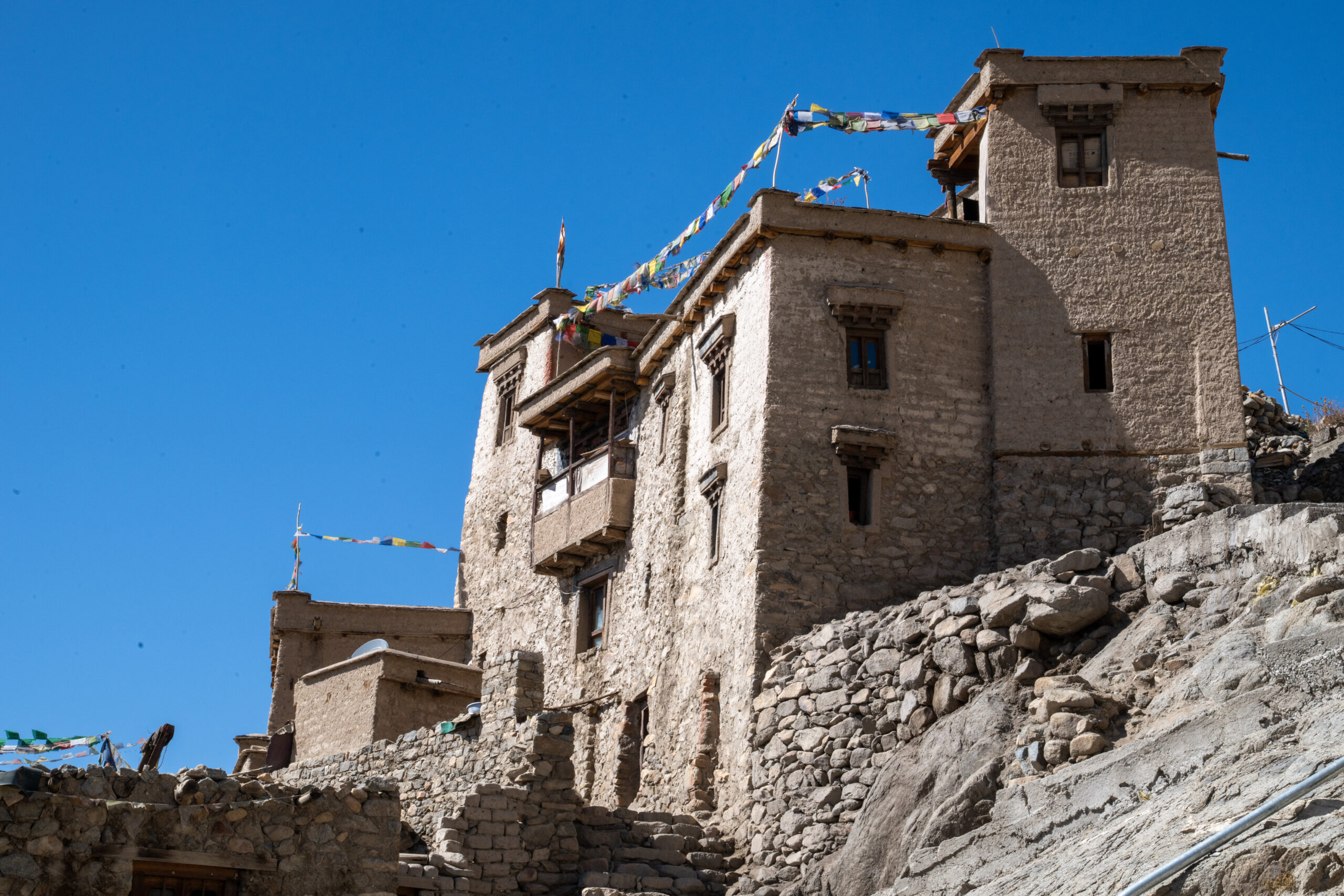
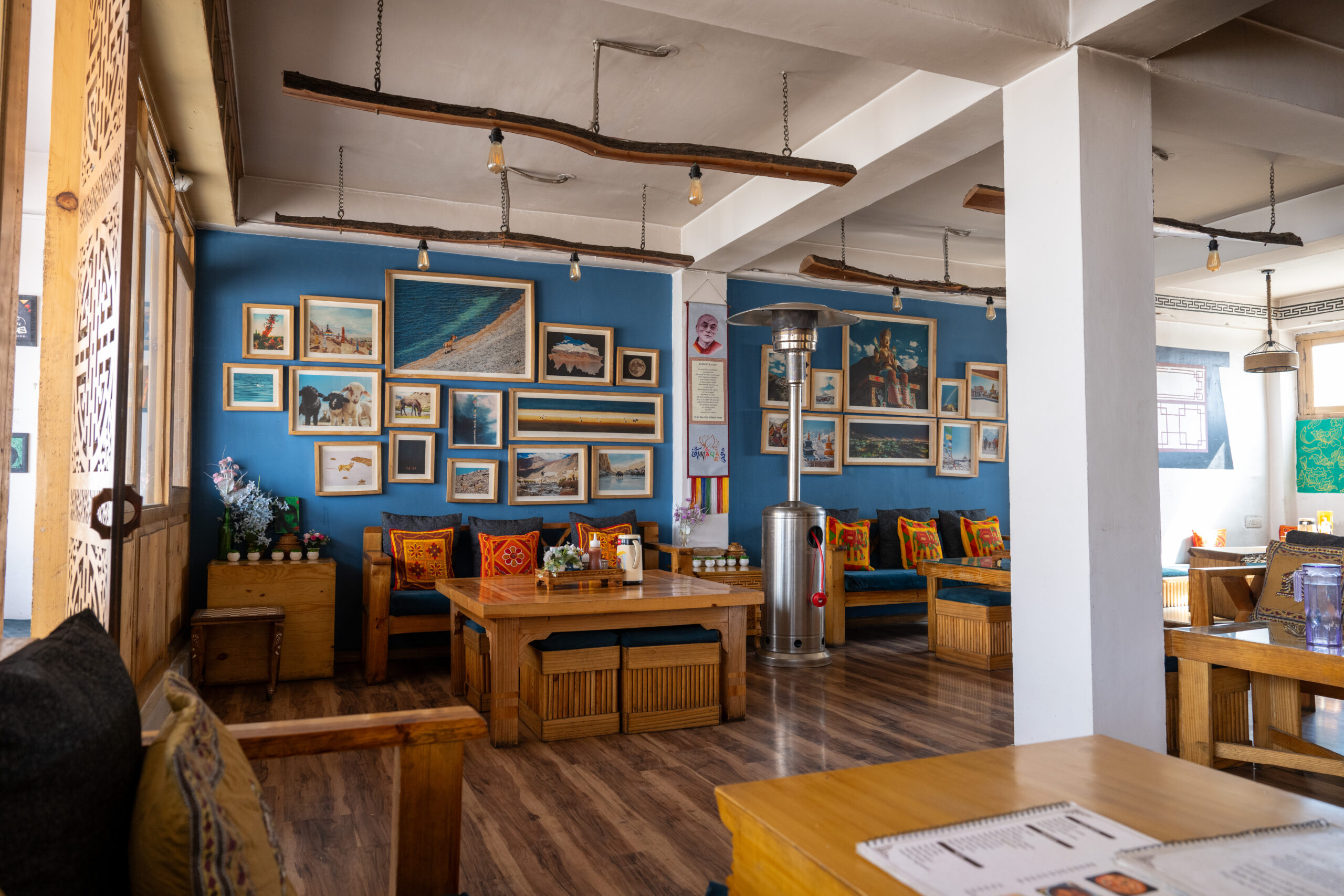
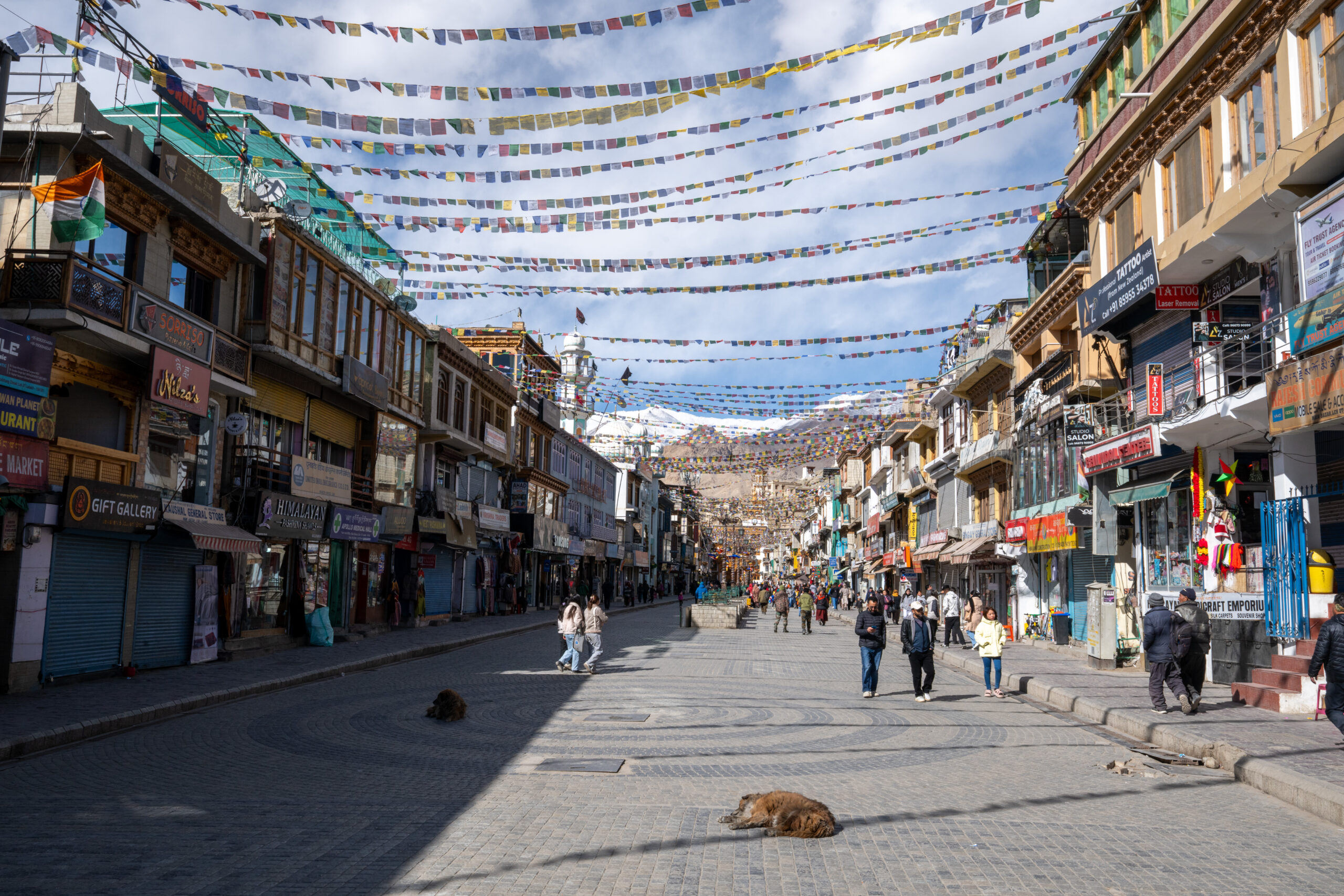


The surrounding landscape is by all accounts breathtaking, and Leh is actually a good base to find a snow leopard if you’re lucky. The second day in Leh, I skipped the temples and went with my city guide with hopes to try to see a snow leopard close to Shang that had killed a blue sheep the other day, and luckily it showed up!
It slept for hours at a cliff a few hundred meters up a narrow valley and eventually decided to step down while darkness fell over the valley. It was my first, and actually, it had all been a bit too easy. Later I learned that this view was the best I’d get of a snow leopard for this trip.


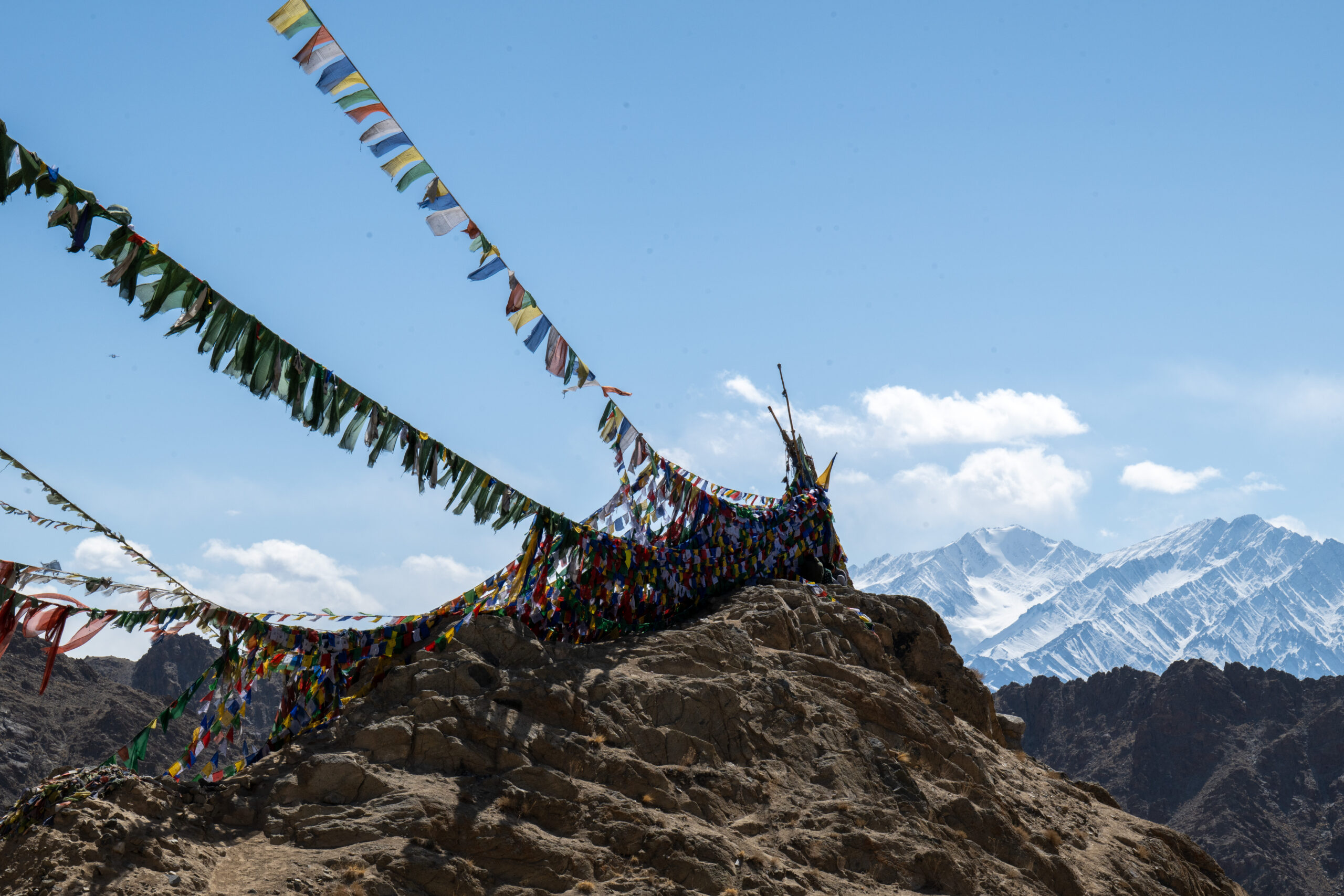
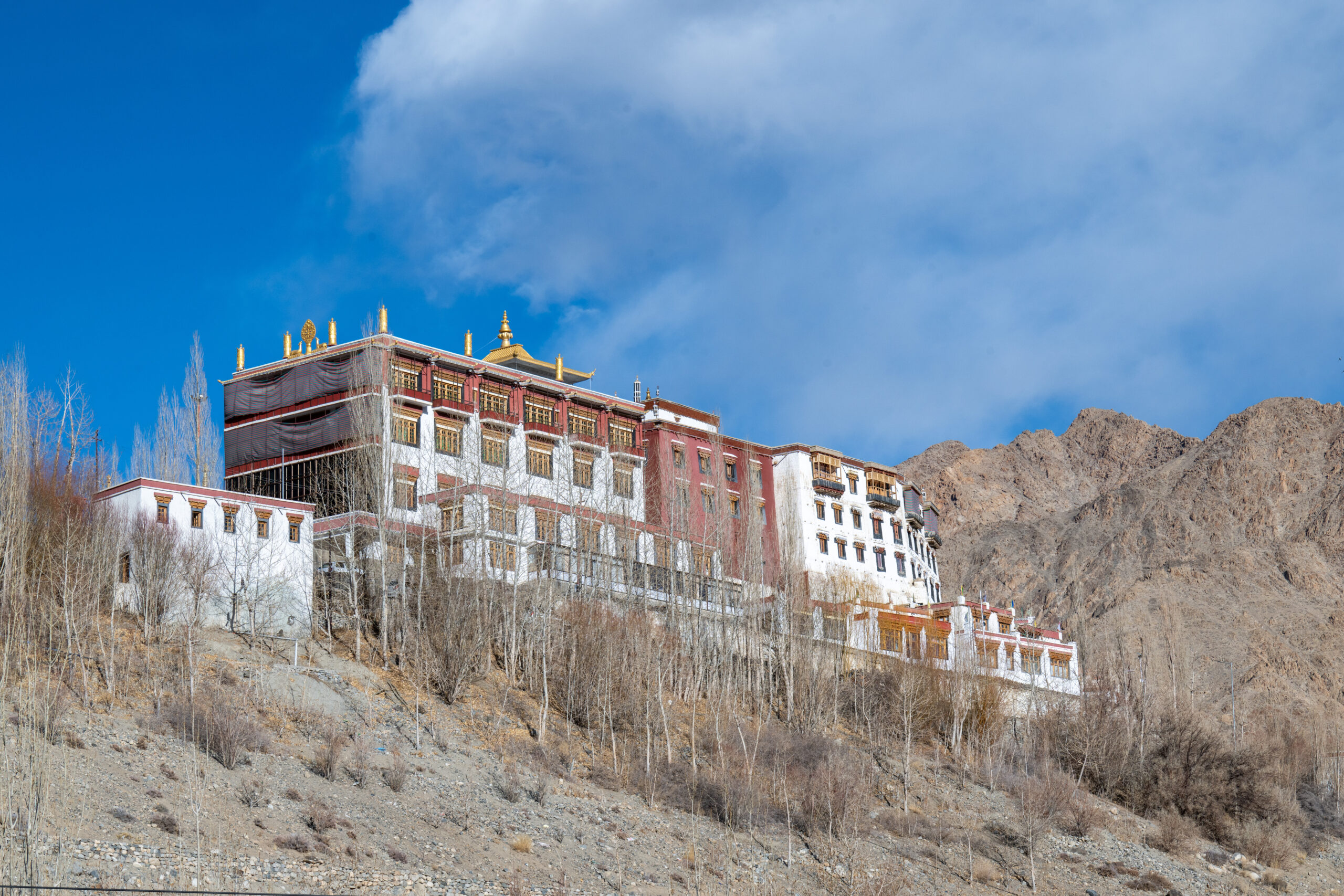
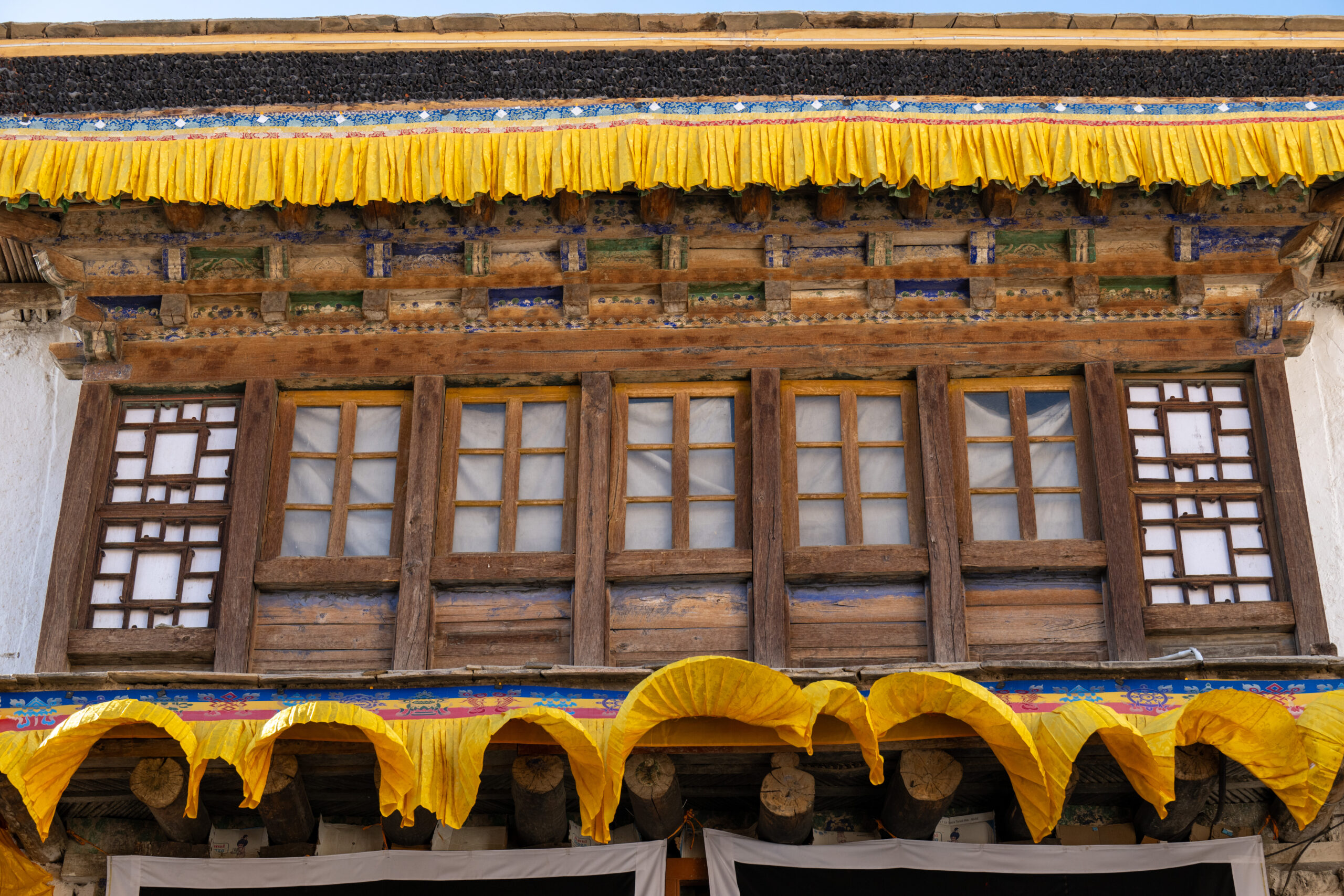
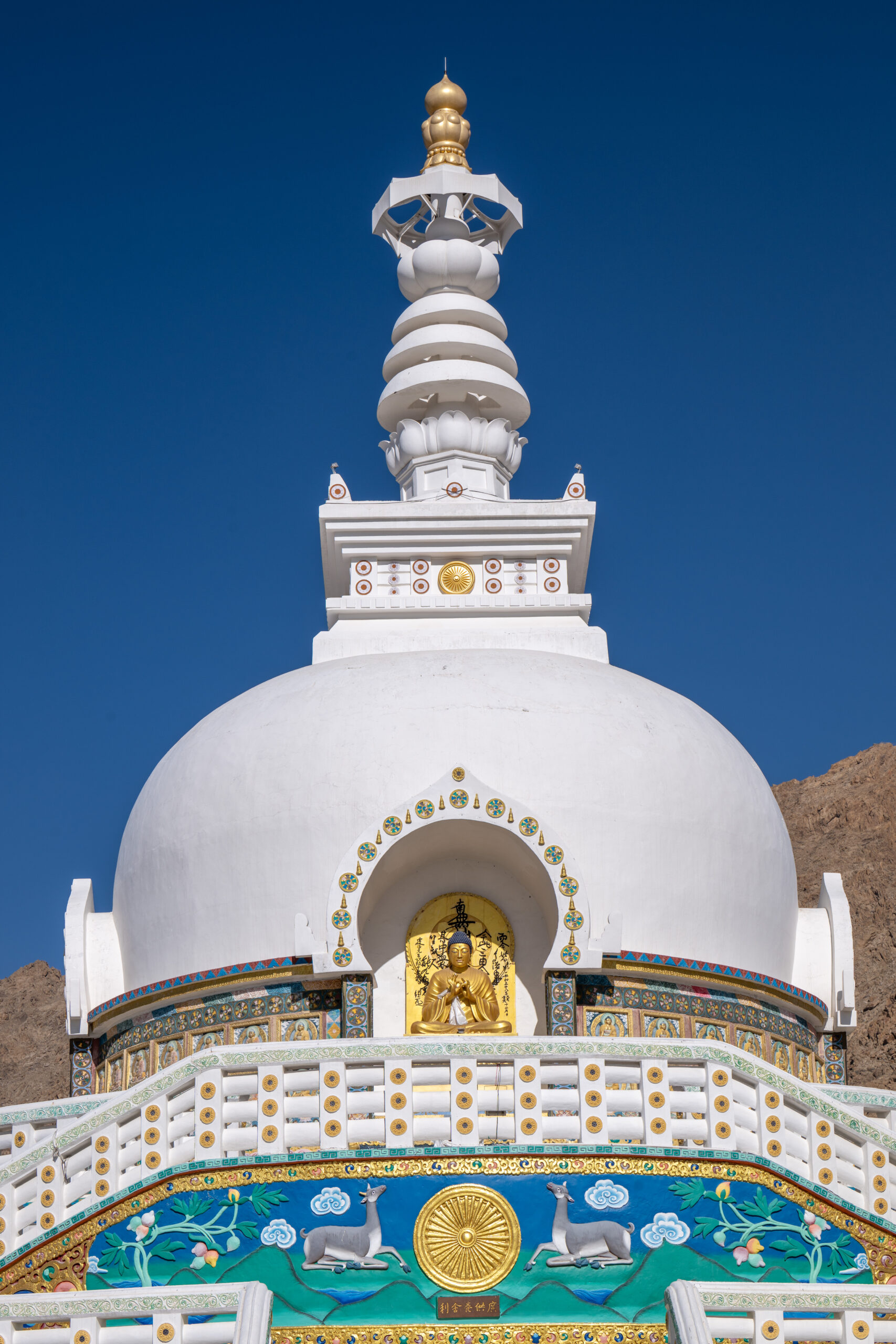
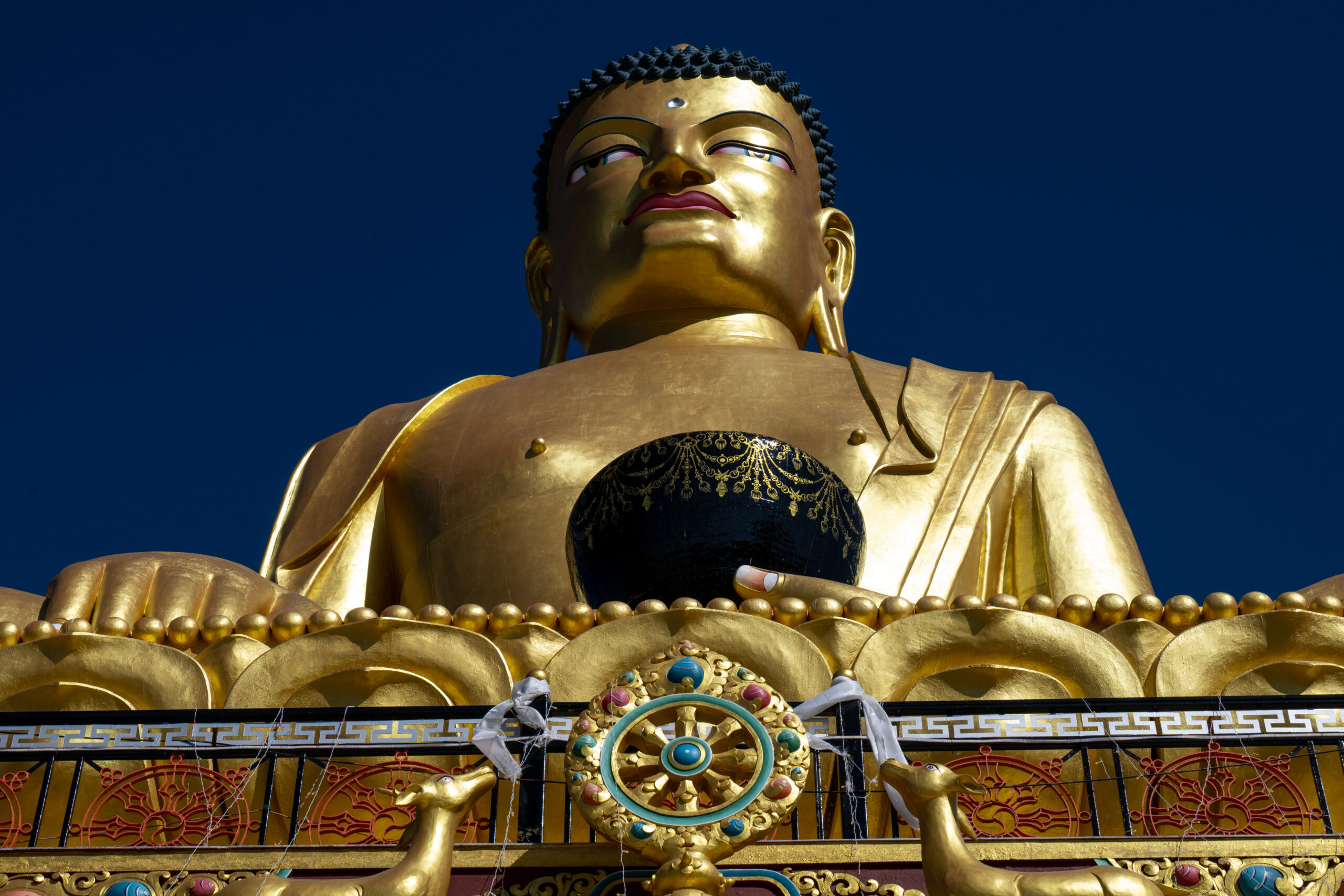
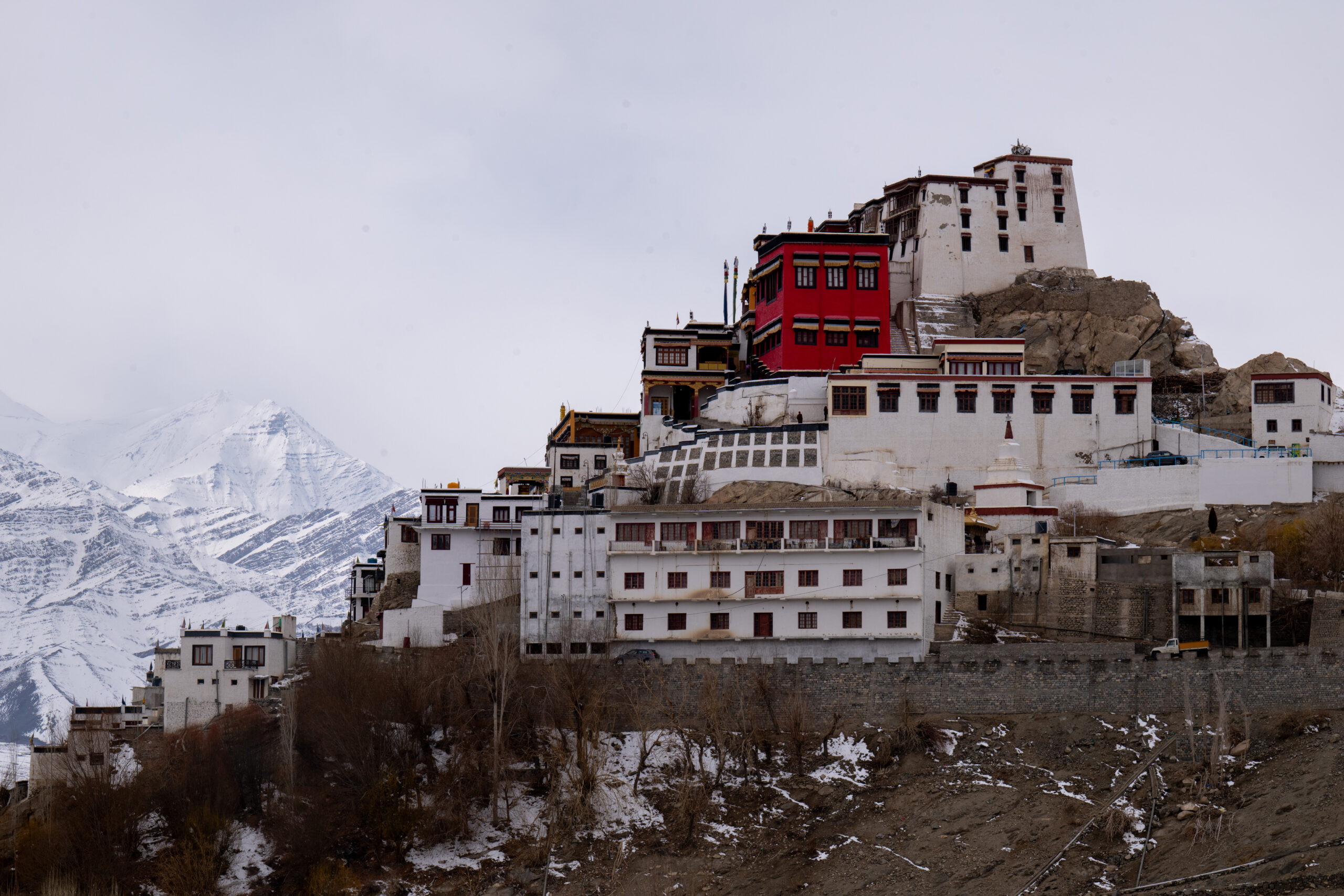
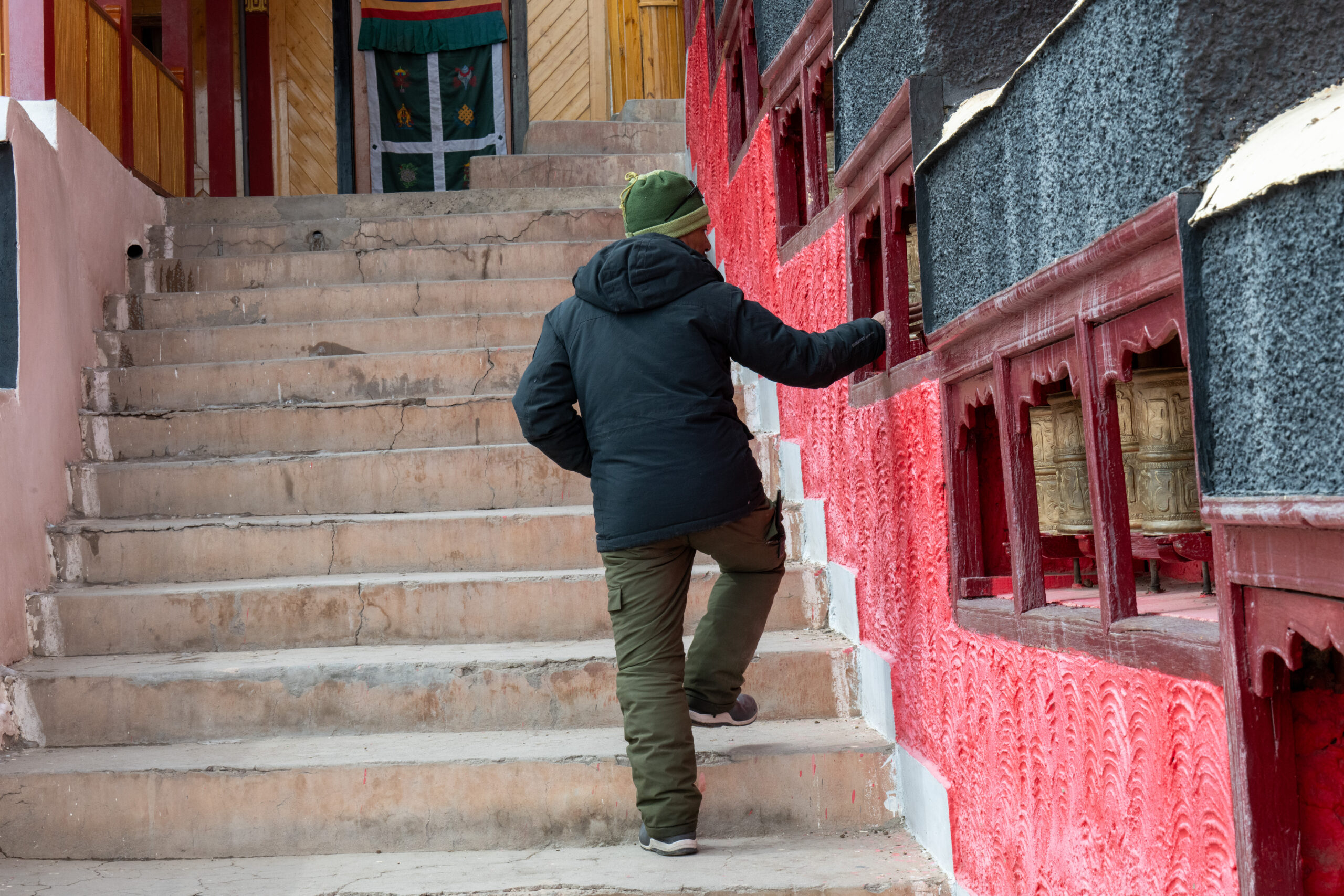
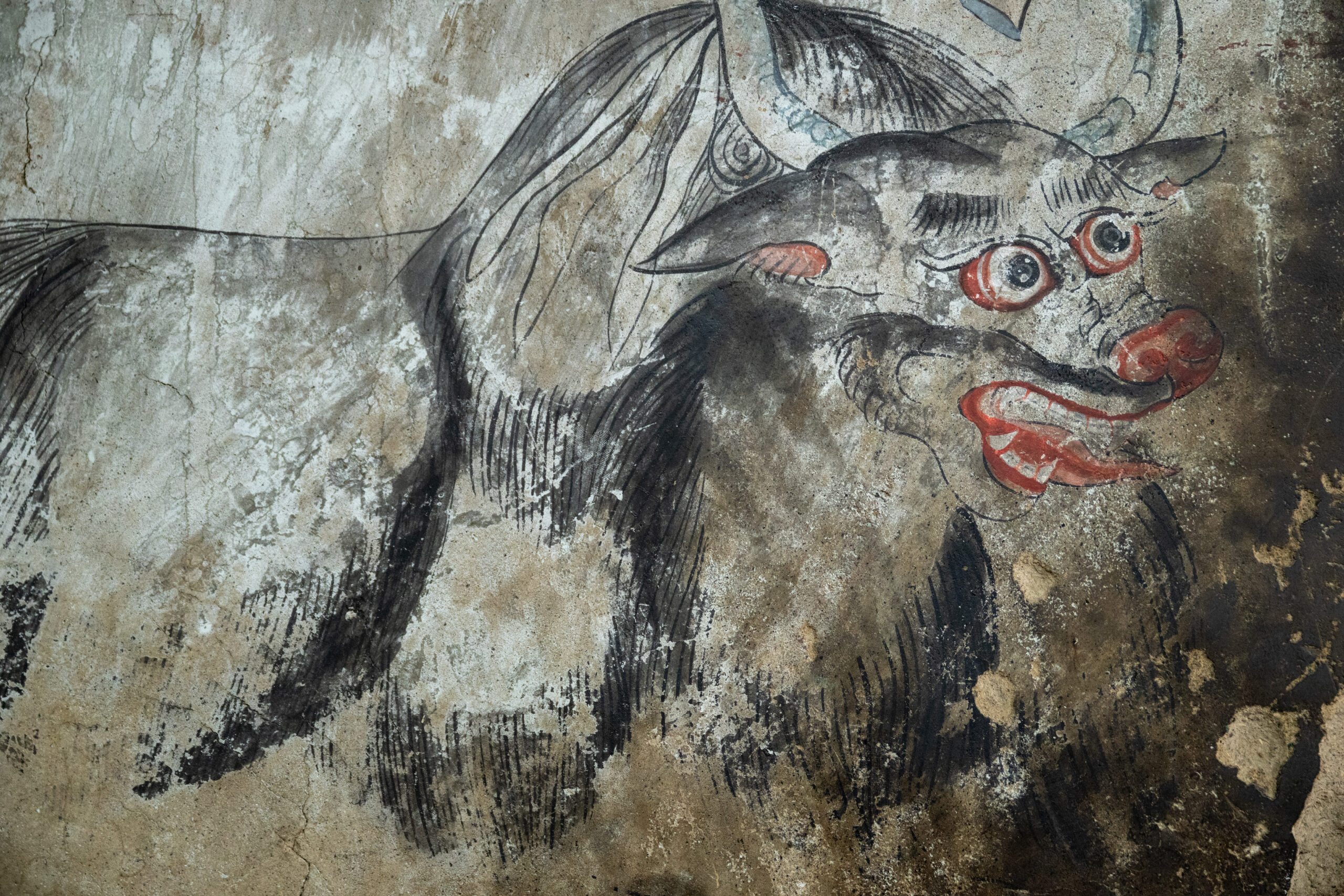
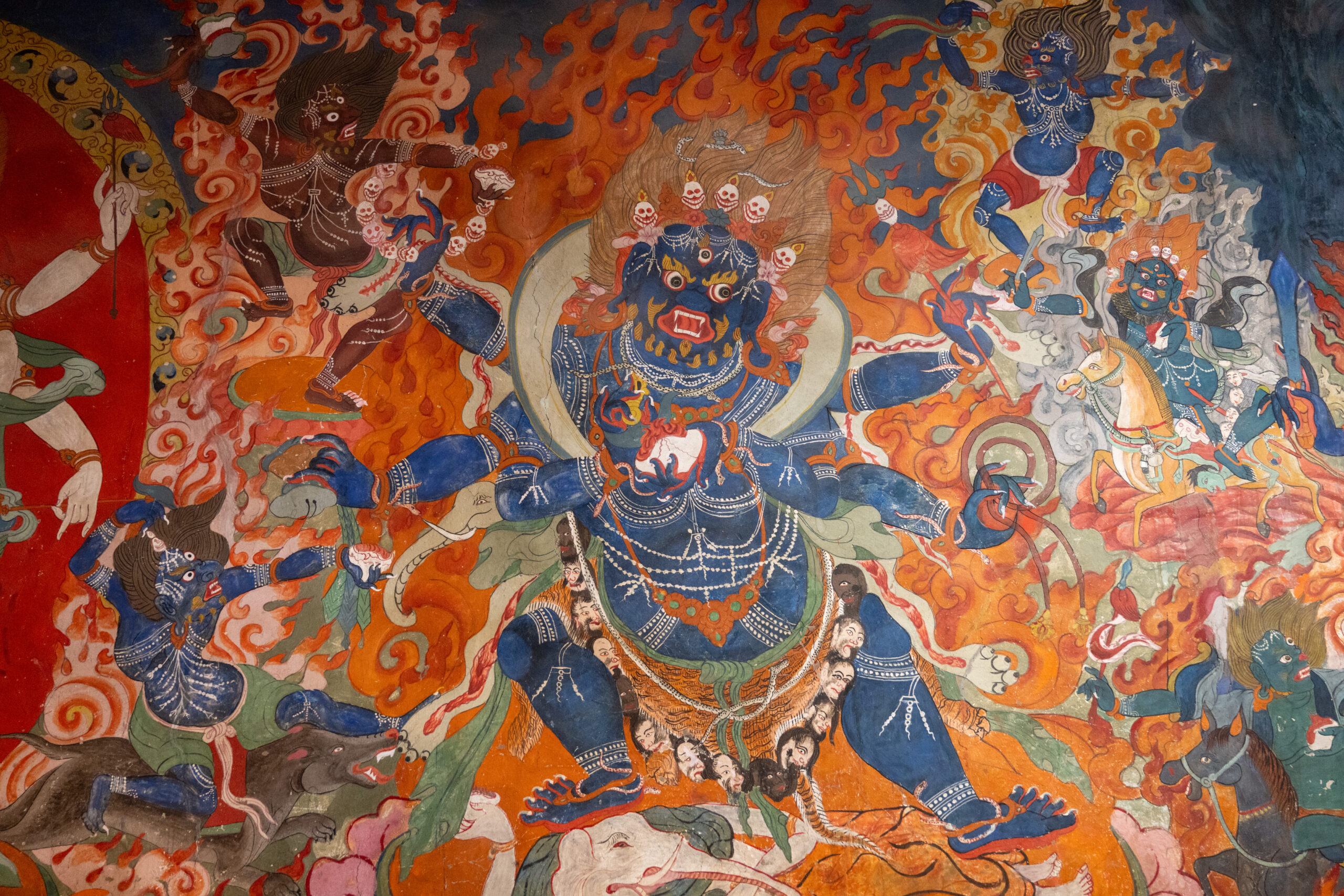
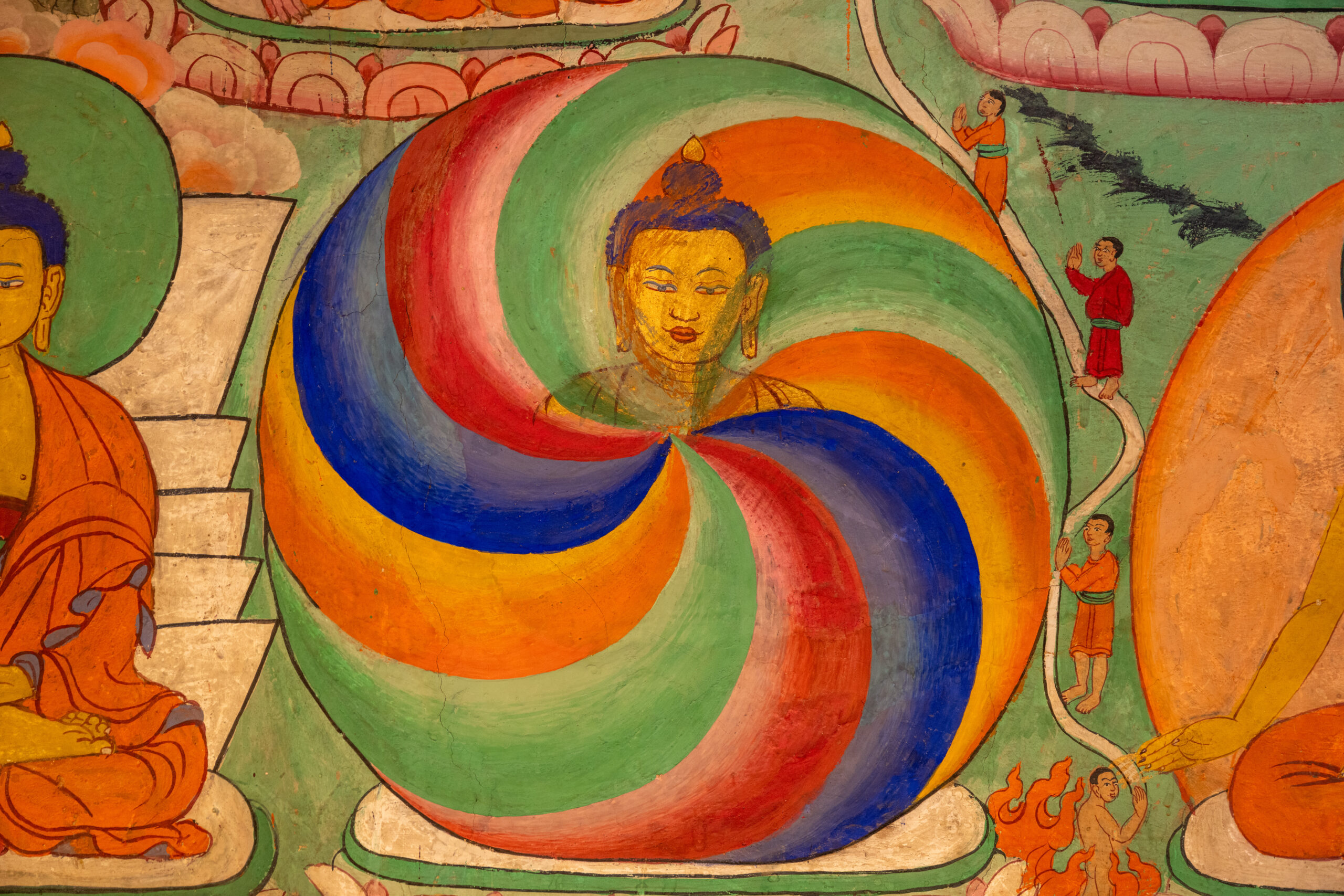
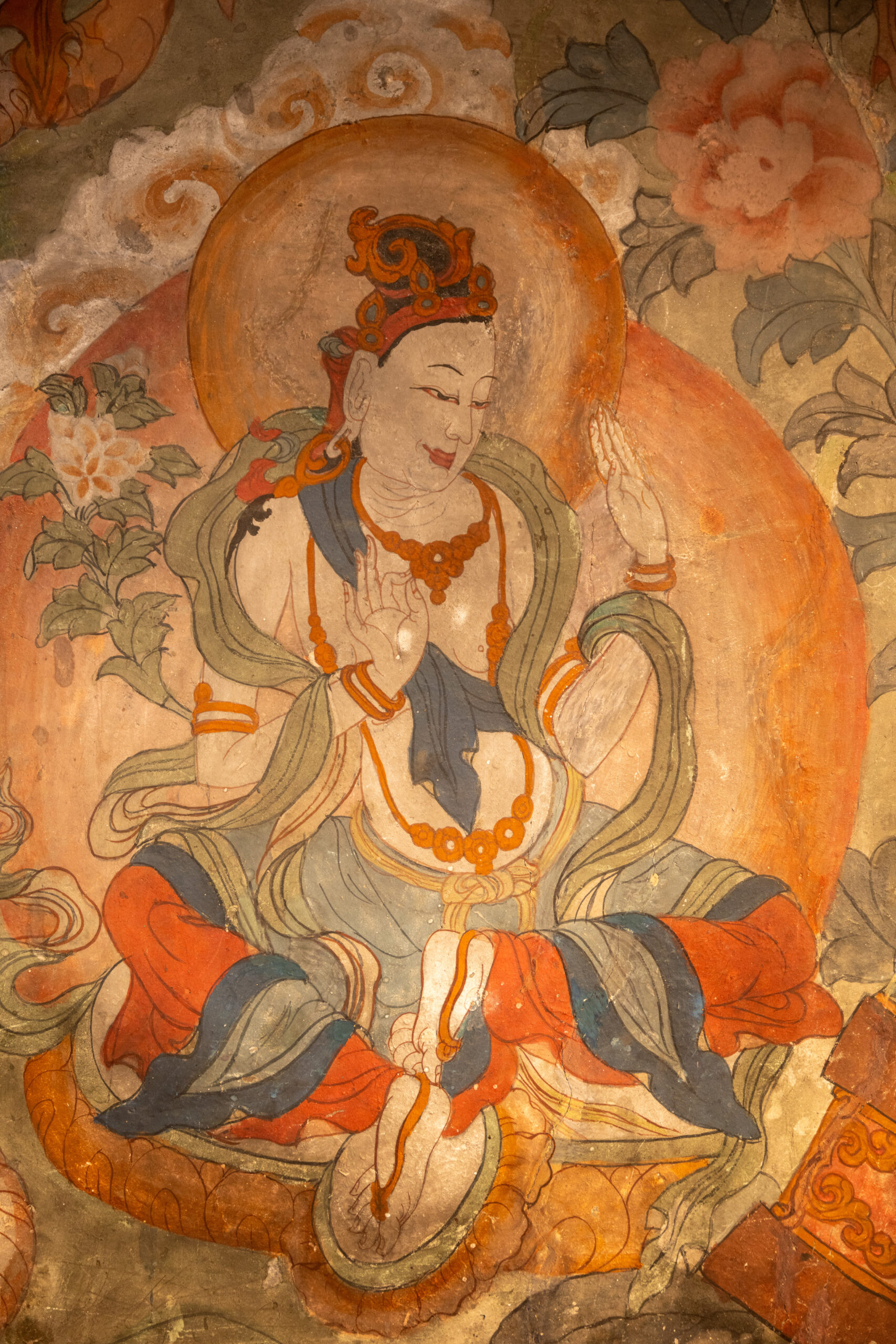
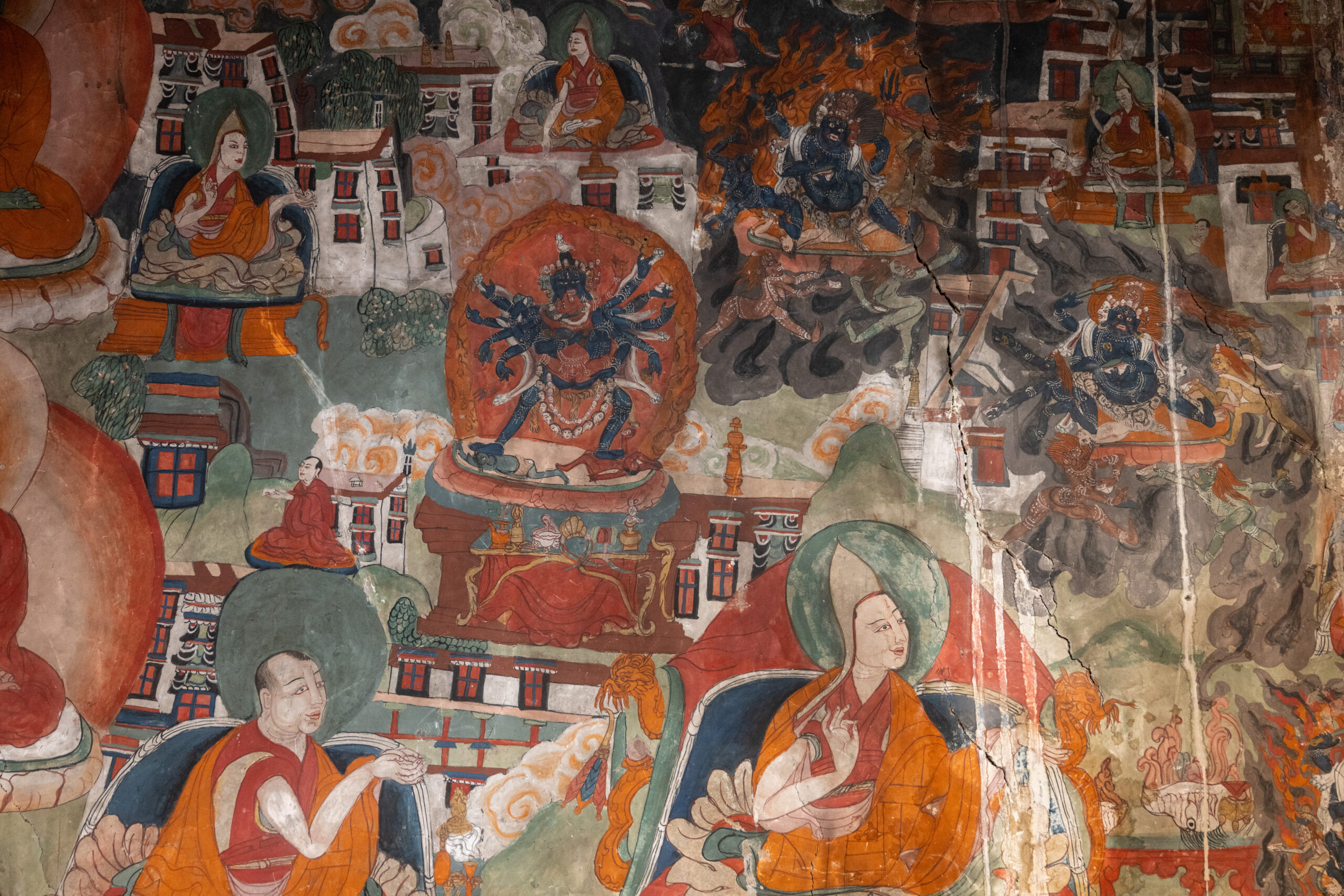
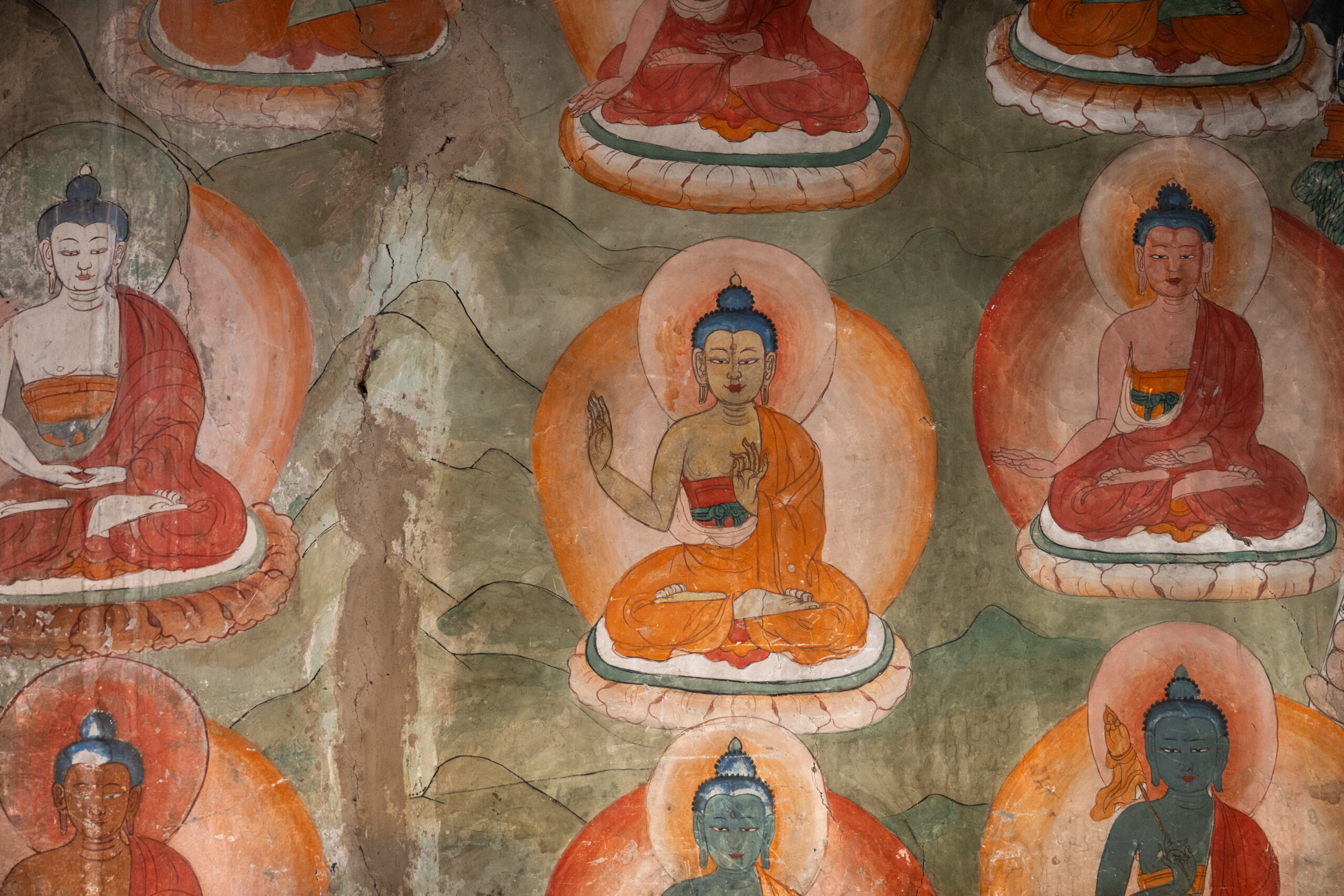
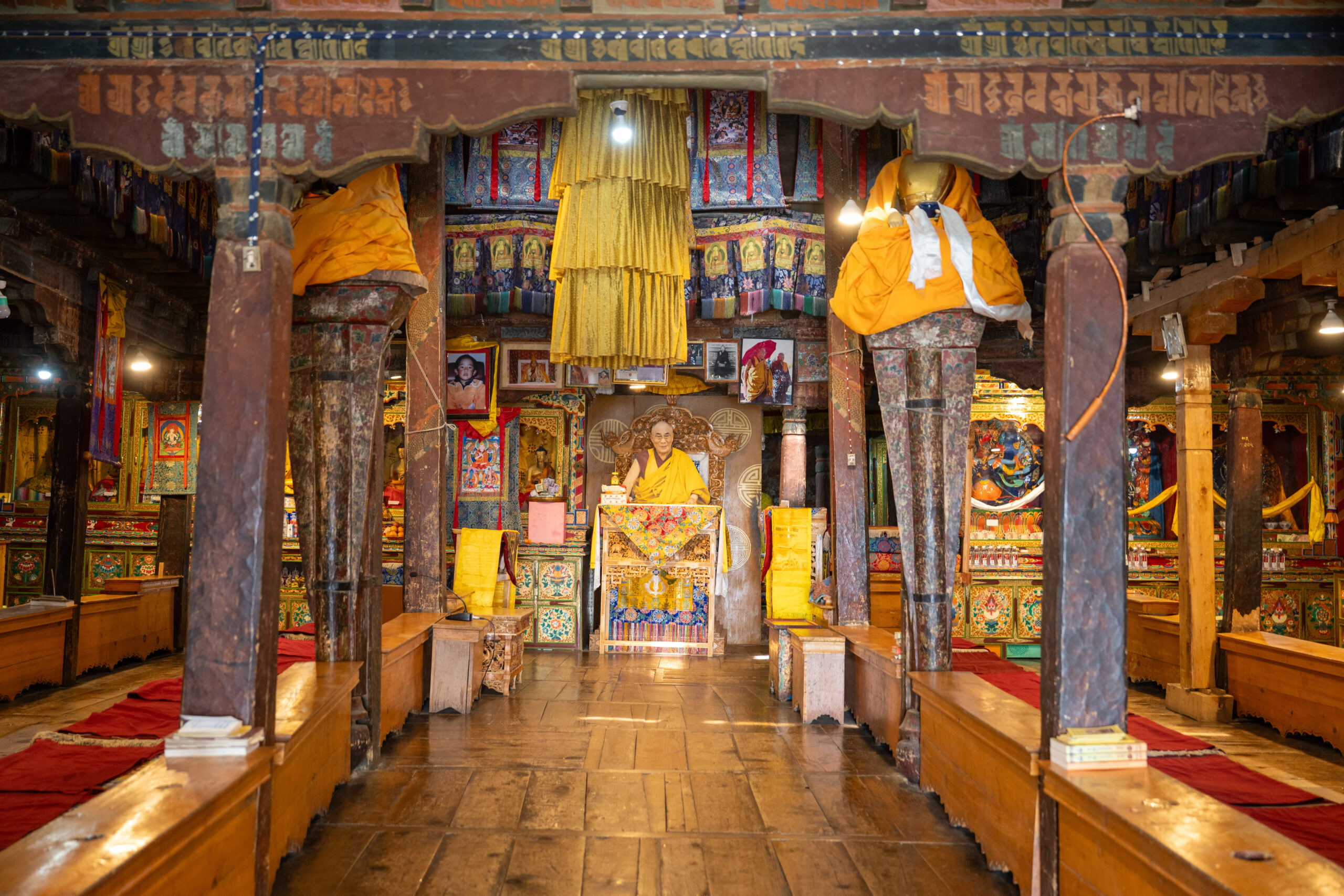
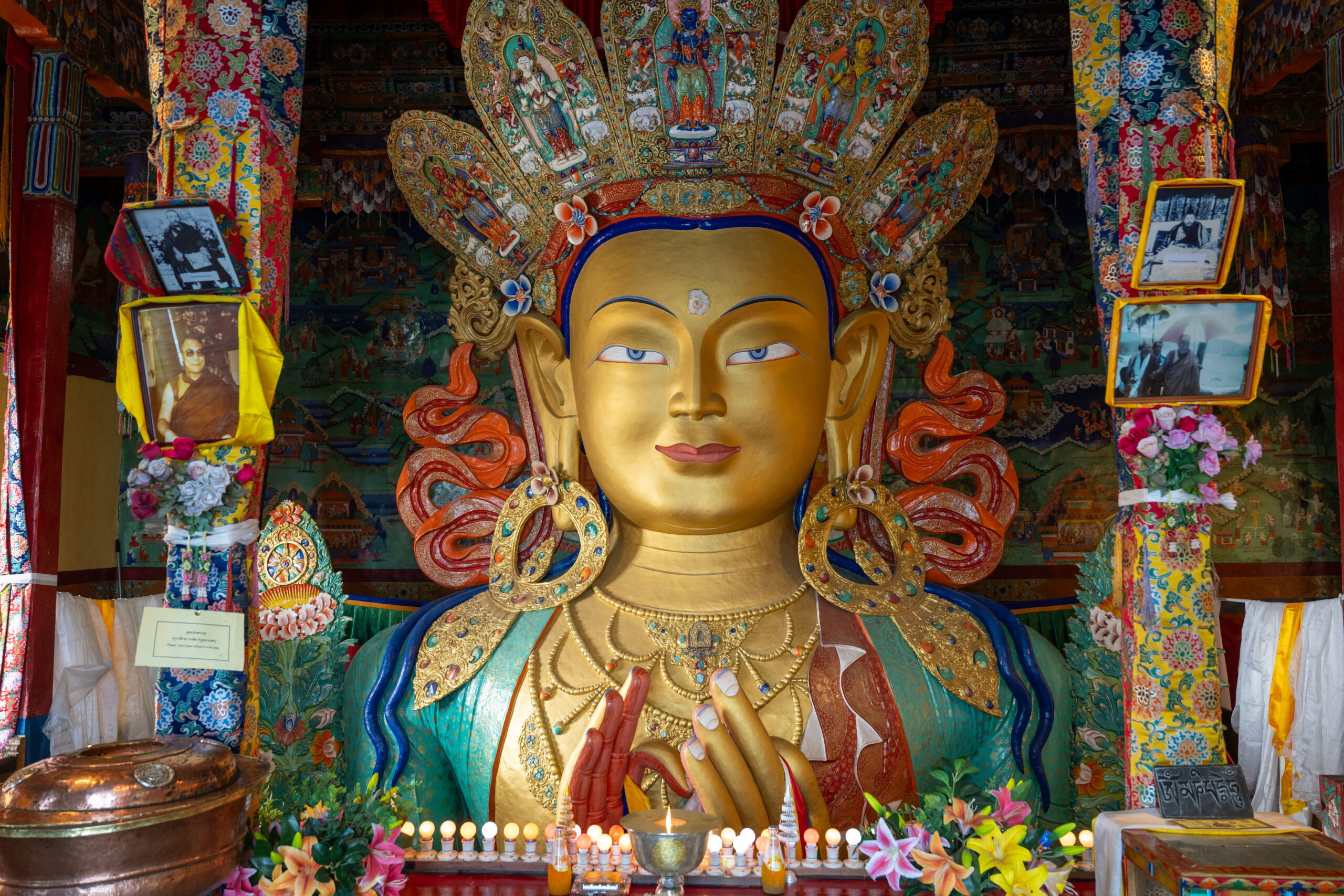
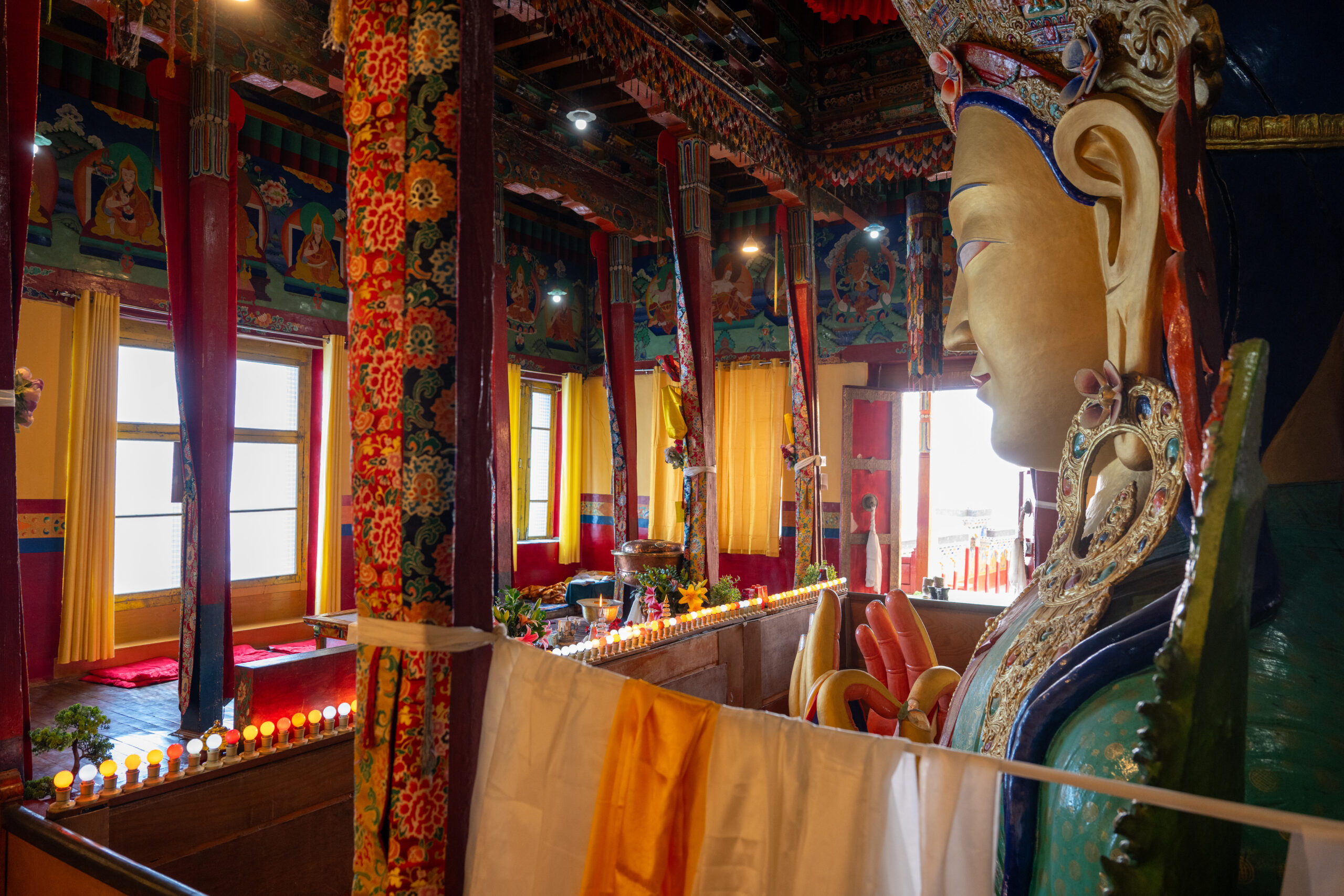
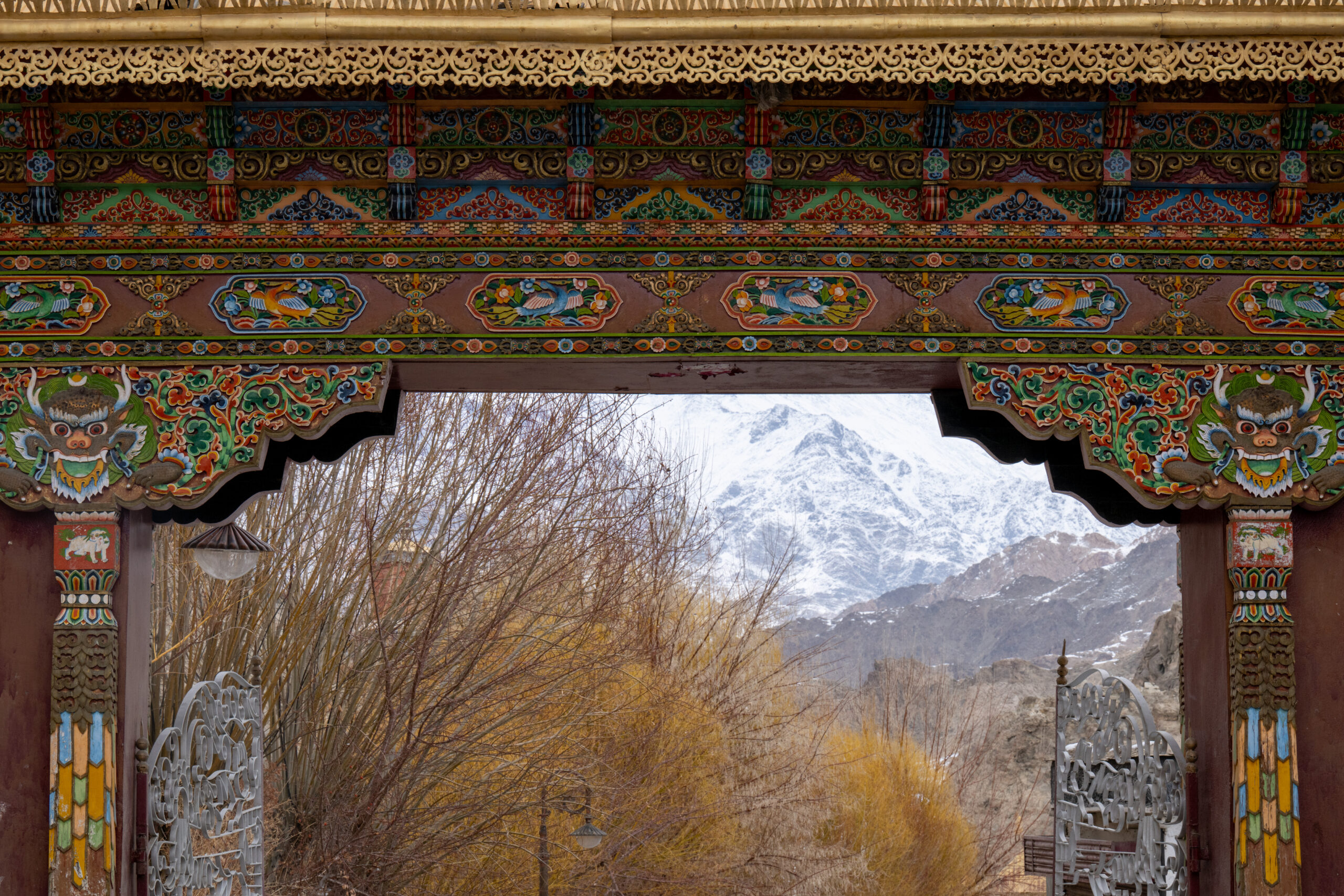
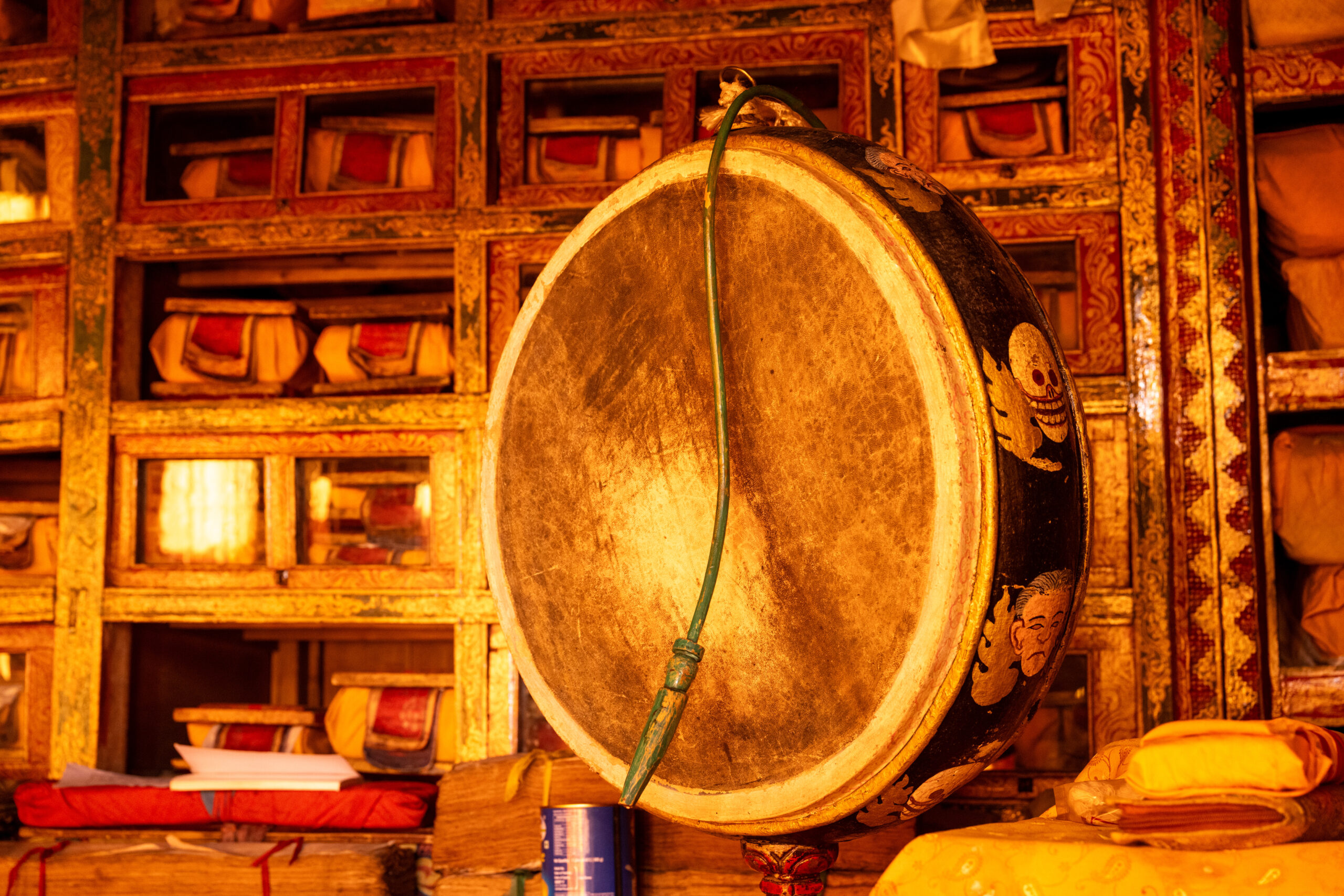
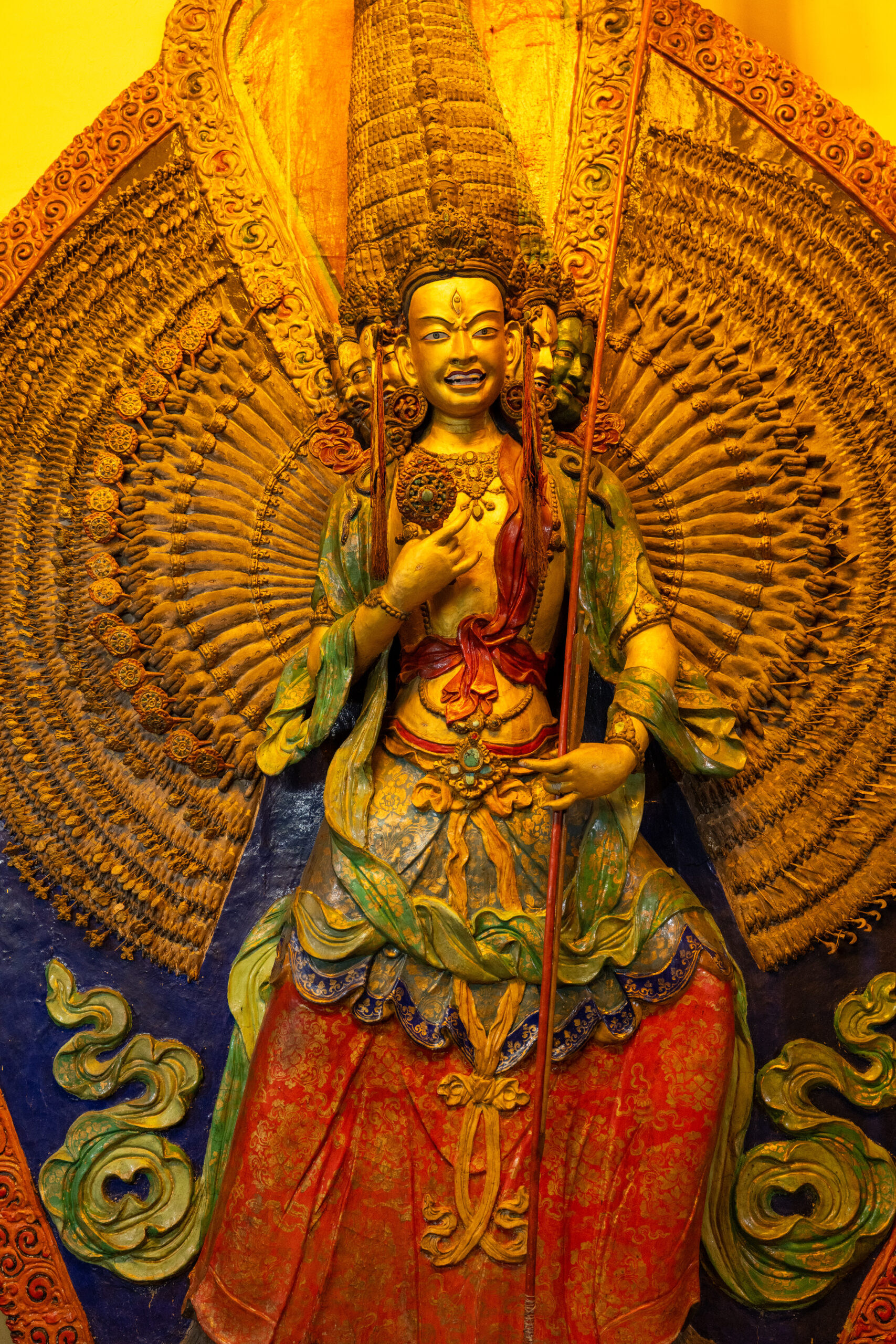
Around Leh there are very interesting monasteries. When I visited in the early 90’s, they were more alive, but Buddhism is still a cornerstone of Ladakhi culture, and I think that the Tibetan art style is awesome.





Thank you for watching my pictures and reading.
/Burr