

These photographs were taken during my visit to Colombia, from June 24 to July 23, 2025. for an overview of the trip, click here!
Medellin
Medellín is Colombia’s second-largest city, nestled in the lush Aburrá Valley of the Andes Mountains. Once known for its turbulent past, it has transformed into a vibrant, innovative metropolis celebrated for its year-round spring-like climate—earning it the nickname “City of Eternal Spring”. With efficient public transport, a thriving arts scene, and welcoming locals known as Paisas, Medellín is now a top destination for travelers, digital nomads, and creatives alike.
Medellín’s history is deeply and unfortunately intertwined with the rise and fall of the infamous Medellín Cartel, one of the most powerful drug trafficking organizations in history. Founded in the mid-1970s and led by Pablo Escobar, the cartel dominated the global cocaine trade throughout the 1980s, reportedly supplying up to 80–90% of the world’s cocaine. Escobar and his associates wielded immense influence, using violence, bribery, and intimidation to control law enforcement and political figures. La plata o plomo, the silver or the led, was a way of handling it, and the cartel’s operations turned Medellín into one of the most dangerous cities in the world during that era, with bombings, assassinations, and widespread corruption becoming part of daily life.
Yet, Medellín’s story didn’t end there. After Escobar’s death in 1993 and the dismantling of the cartel, the city began a remarkable transformation. Today, Medellín is recognized globally for its innovation, urban renewal, and resilience—a city that rose from the shadows of narcotrafficking to become a model of progress and hope
What we did there
We went by plane from Cartagena to Medellin, and arrived by late afternoon. Partly because we didn’t have time for much more, and partly because we don’t fancy big cities, we just spent three nights in Medellin, giving us two full days. One of them we spent within the city, and the other we spent as a day trip to neighbouring town of Guatape.
Day 1
The first day we went from Cartagena and arrived to the airport in the afternoon. From there it took almost another hour to reach Medellin, as its quite far from town, and thereafter we just had an early dinner.
Day 2
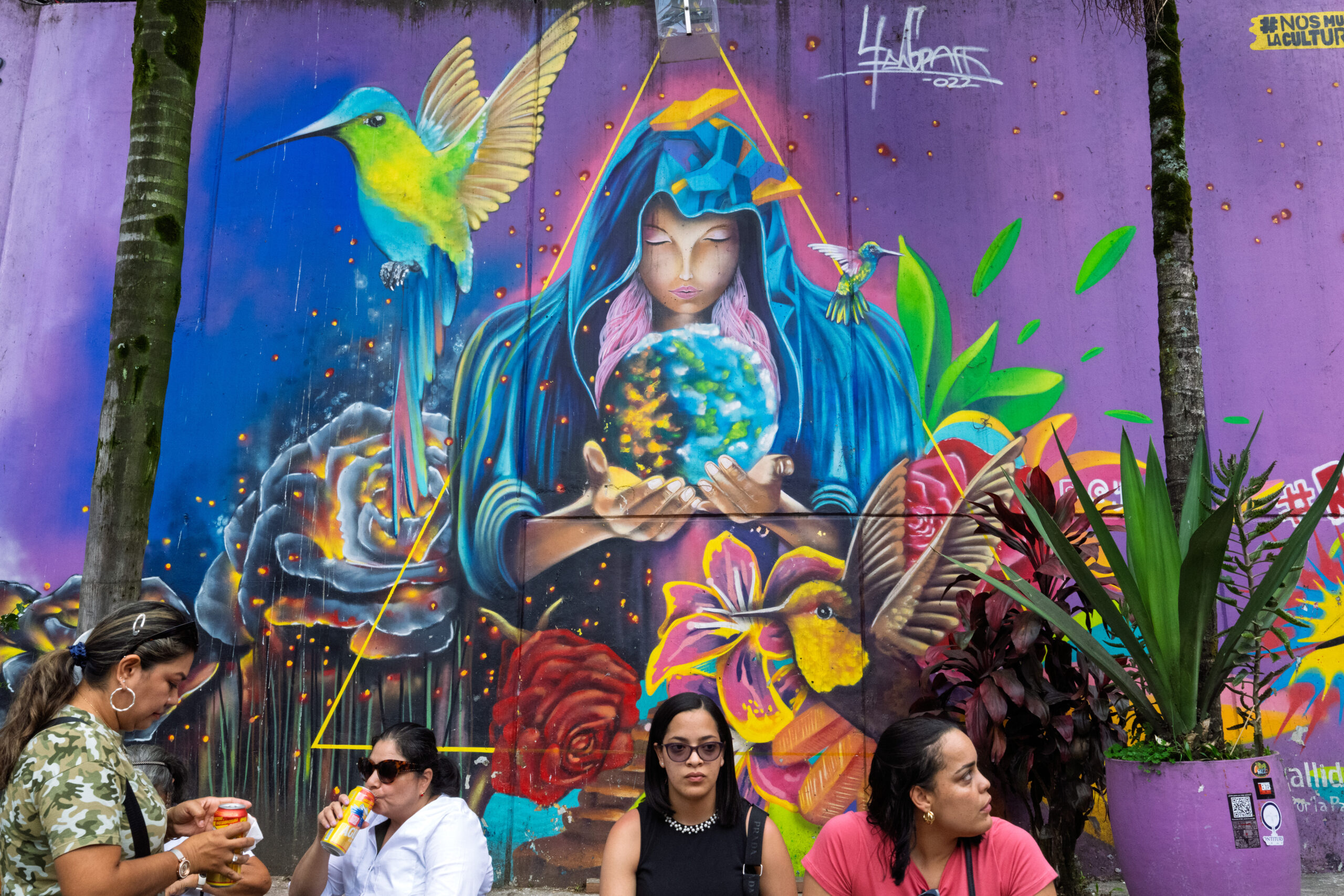
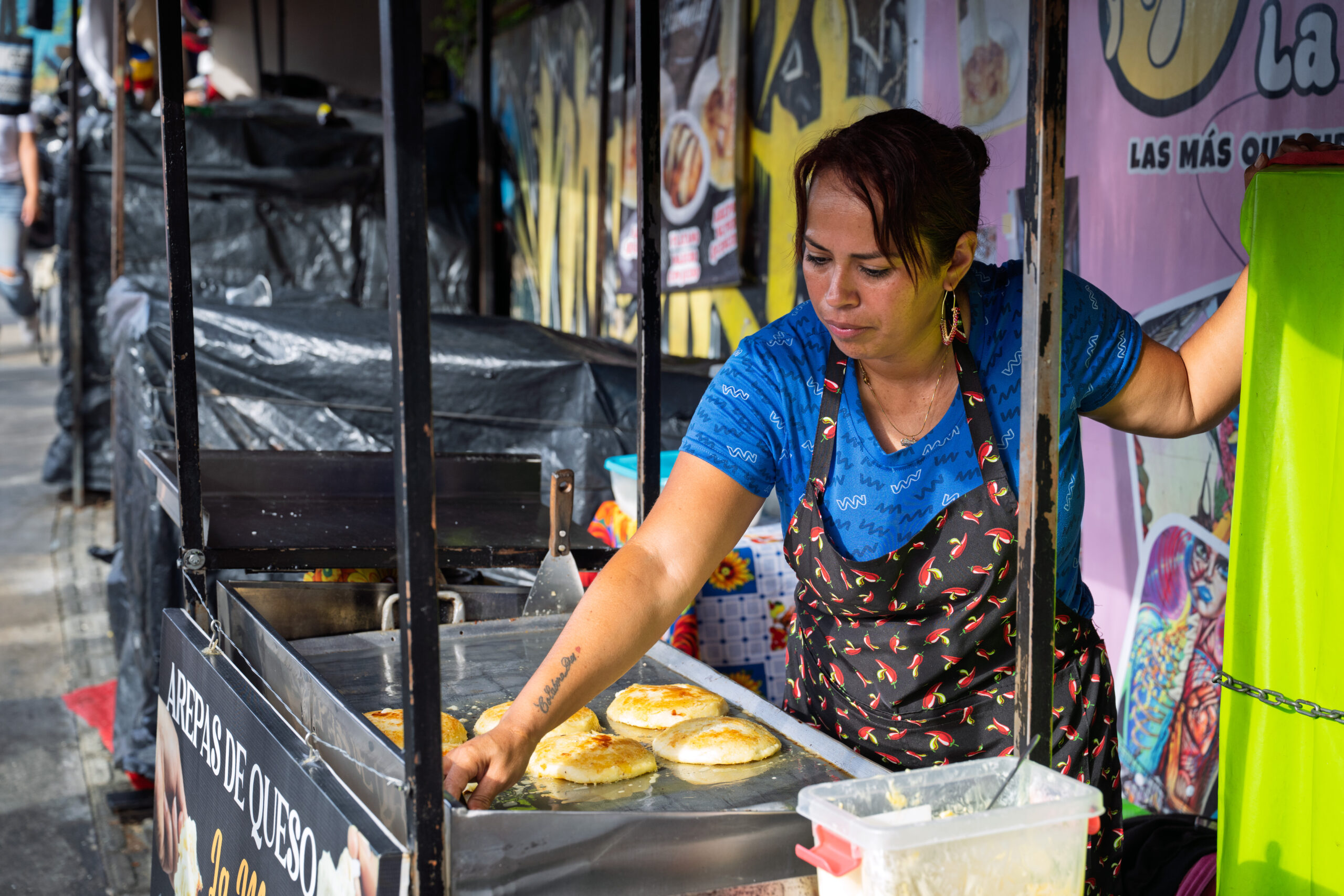
The second day we made an afternoon tour to Comuna 13, in a small group of the two of us and two other french youngsters, accompanied by a guide who had lived in the neighbourhood.
Officially known as San Javier, Comuna 13 is one of Medellín’s most iconic neighborhoods, once plagued by violence, now celebrated for its resilience and creativity. Perched on the city’s steep western hills, it was historically a hotspot for conflict involving drug cartels, paramilitary groups, and controversial military operations like Operation Orión. Today, Comuna 13 has undergone a stunning transformation. It’s a vibrant hub of street art, music, and community-led innovation, drawing visitors from around the world. Colorful grafitti and murals, open-air escalators, and a relative safety, showcase how art and infrastructure have helped heal and empower the community.






Day 3
The third day we went to Guatape. It was an organized trip, a full day trip where we went in a big bus full of tourists. Not ideal, but a lot of sight-seeing.
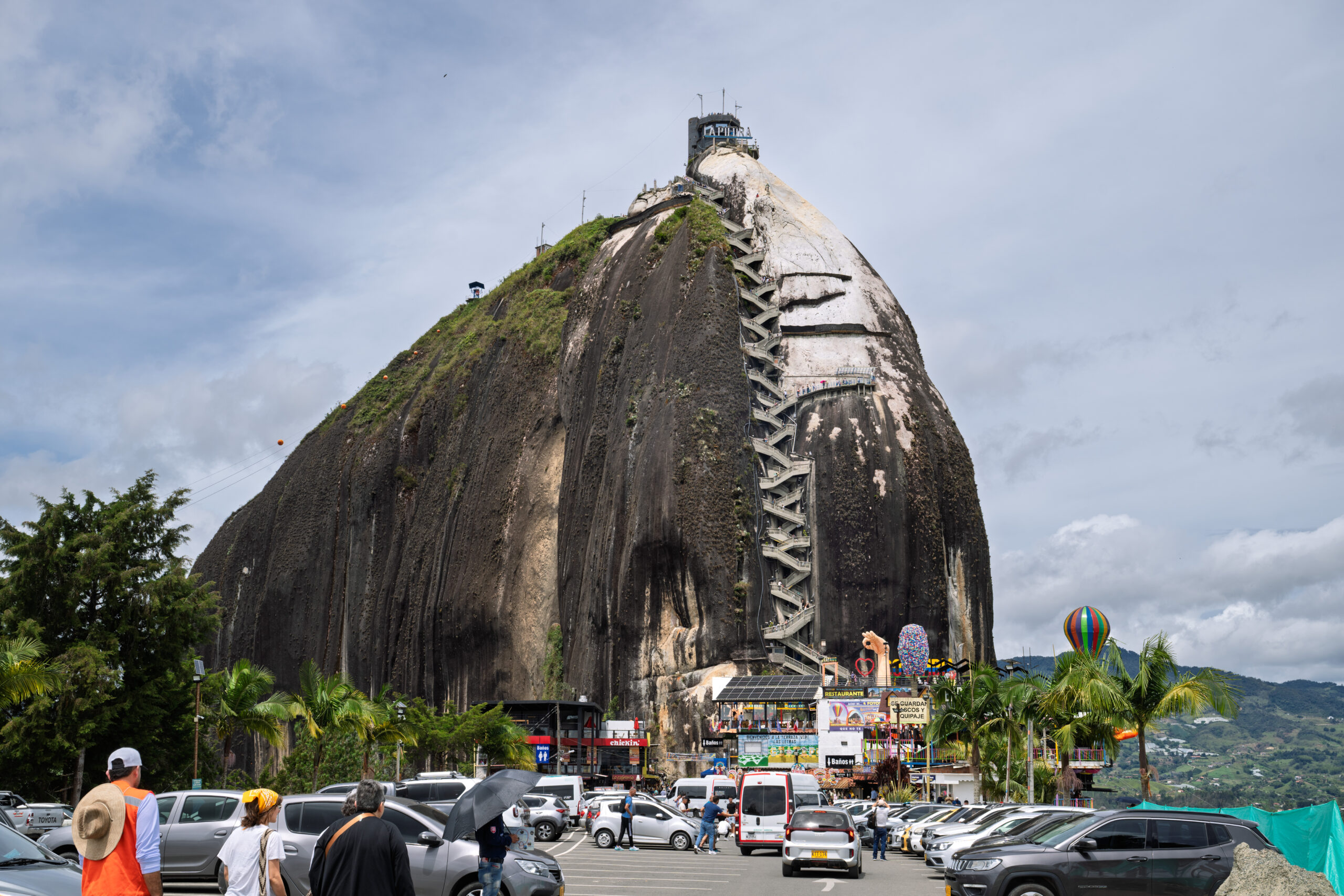
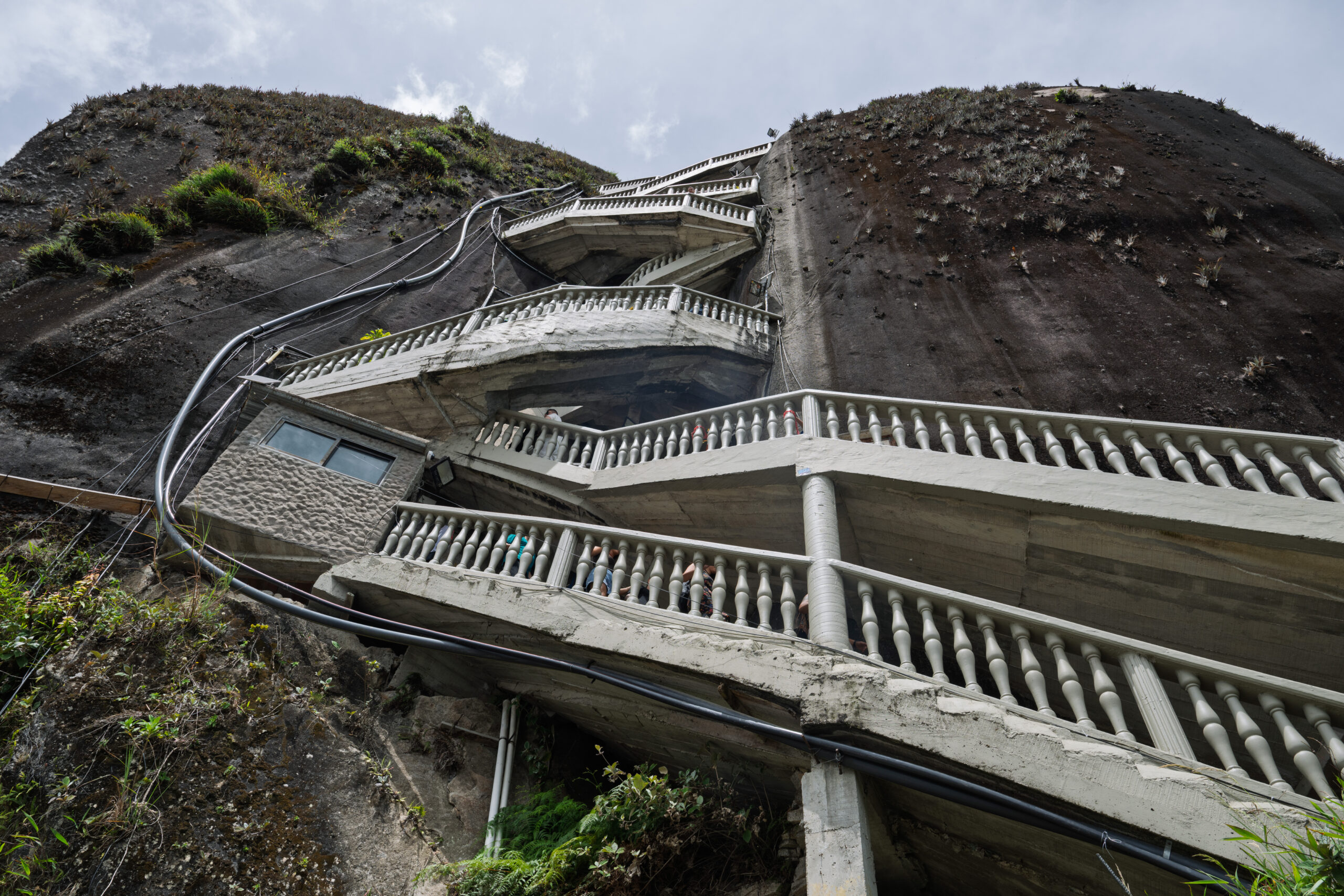
It took us a few hours to get to the first part, which was to visit El Peñón de Guatapé, a towering granite rock with 740 steps leading to panoramic views of the lake and lush countryside below. It is a huge rock, but easy to reach as it is by a huge parking lot, and easy to ascend by the huge staircase on it, which ends up making that natural phenomena feeling rather mistreated in the end. Anyway, it is quite a viewup there.



The second part was a boat trip on the the beautiful reservoir, looking at expensive houses and see the burnt down estate of the famous cartel leader Pablo Escobar, which I think was the highlight of the trip.


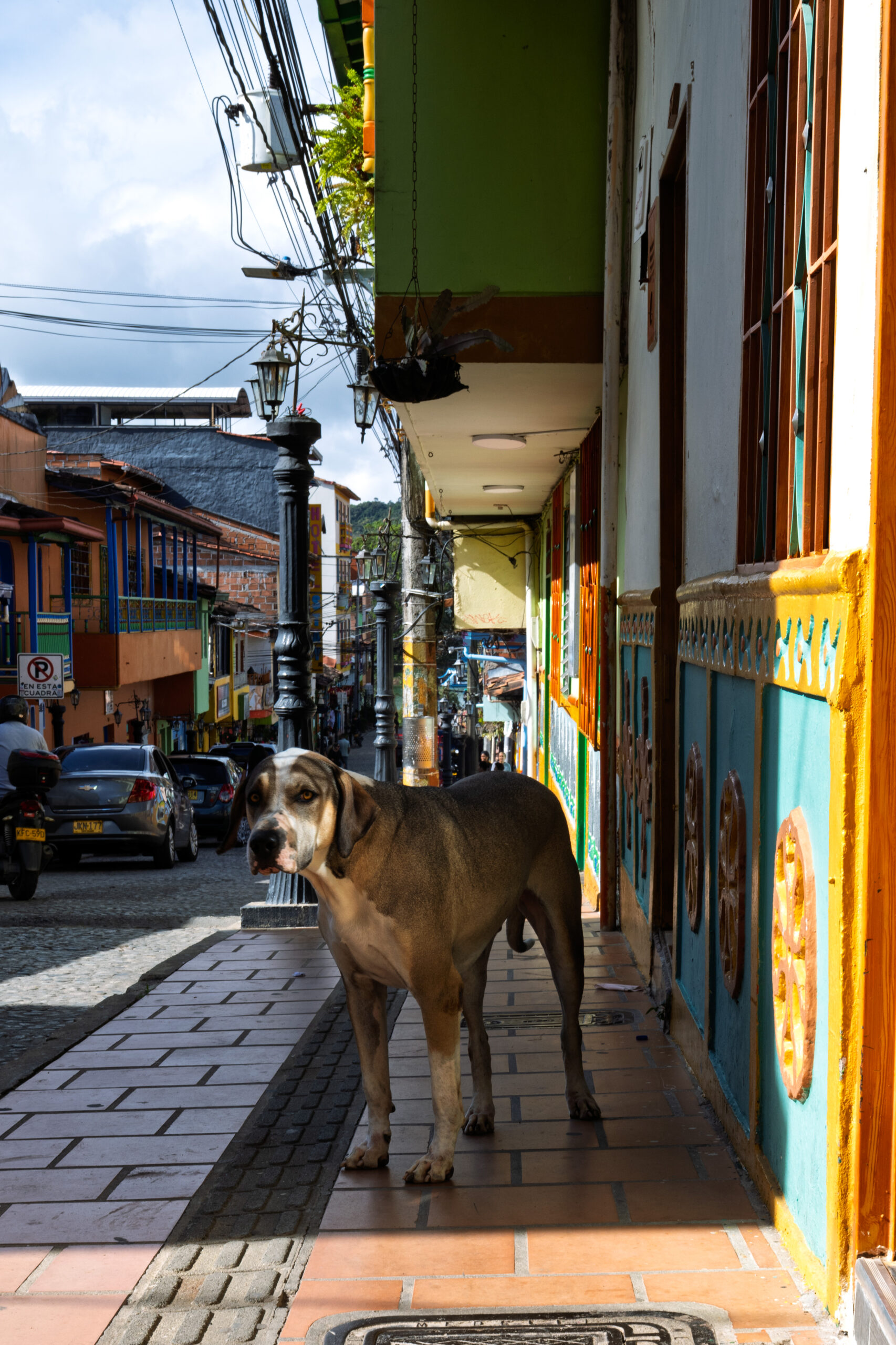
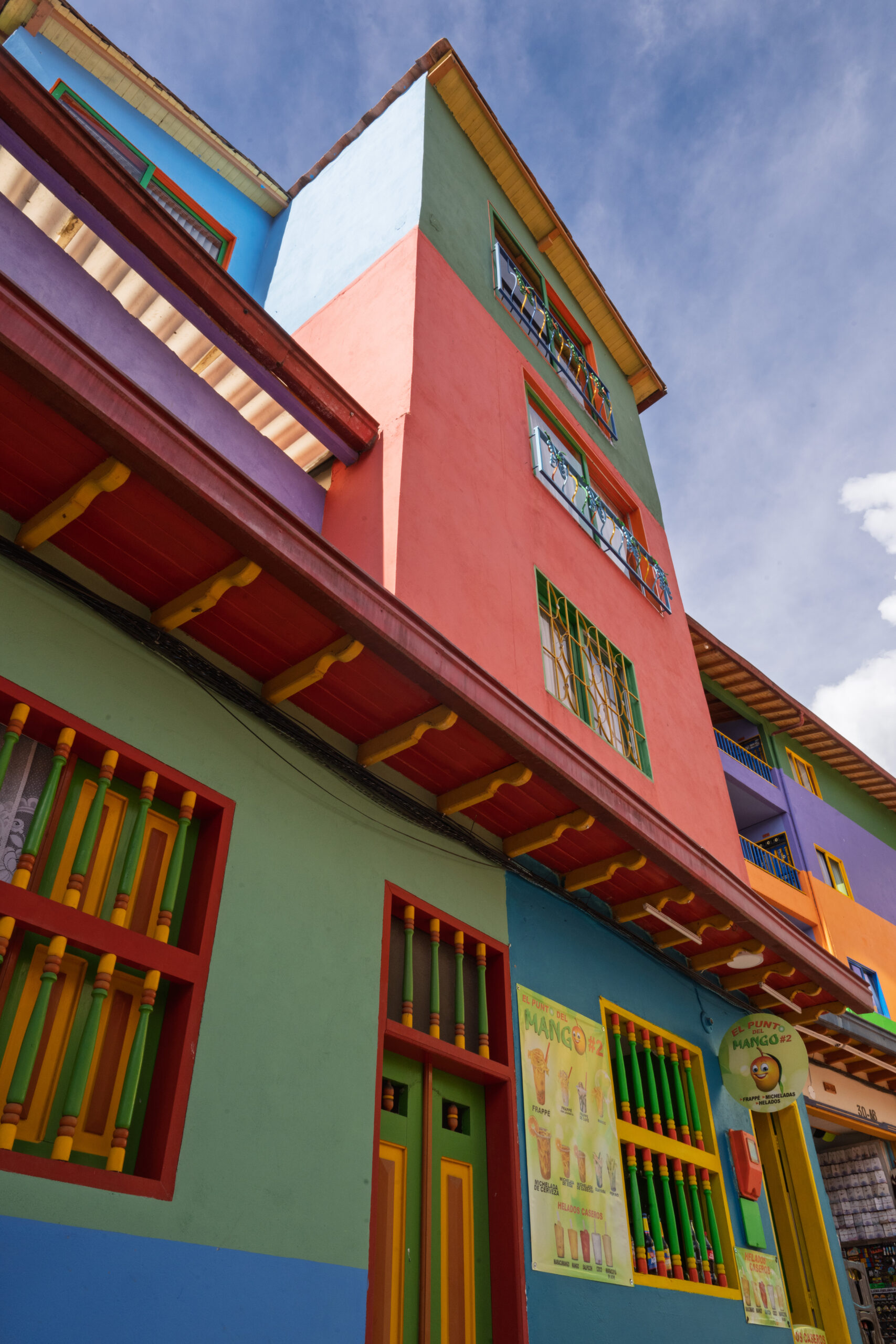
The last part was a visit to the dazzlingly colorful and photogenic town of Guatape. Famous for its vibrant zócalos—hand-painted bas-reliefs that decorate the lower walls of buildings—Guatapé feels like a living art gallery. Once a quiet farming village, Guatapé is now a beloved destination for day-trippers and adventurers seeking beauty, culture, and a touch of magic. Unfortunately, I think too many tourists come, so it isn’t that much magic left, but it’s worth seeing, especially for the photos.





These photographs were taken during my visit to Colombia, from June 24 to July 23, 2025. for an overview of the trip, click here!